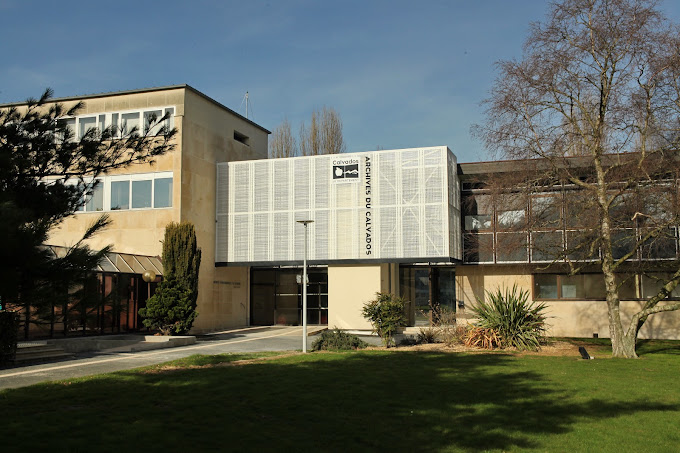
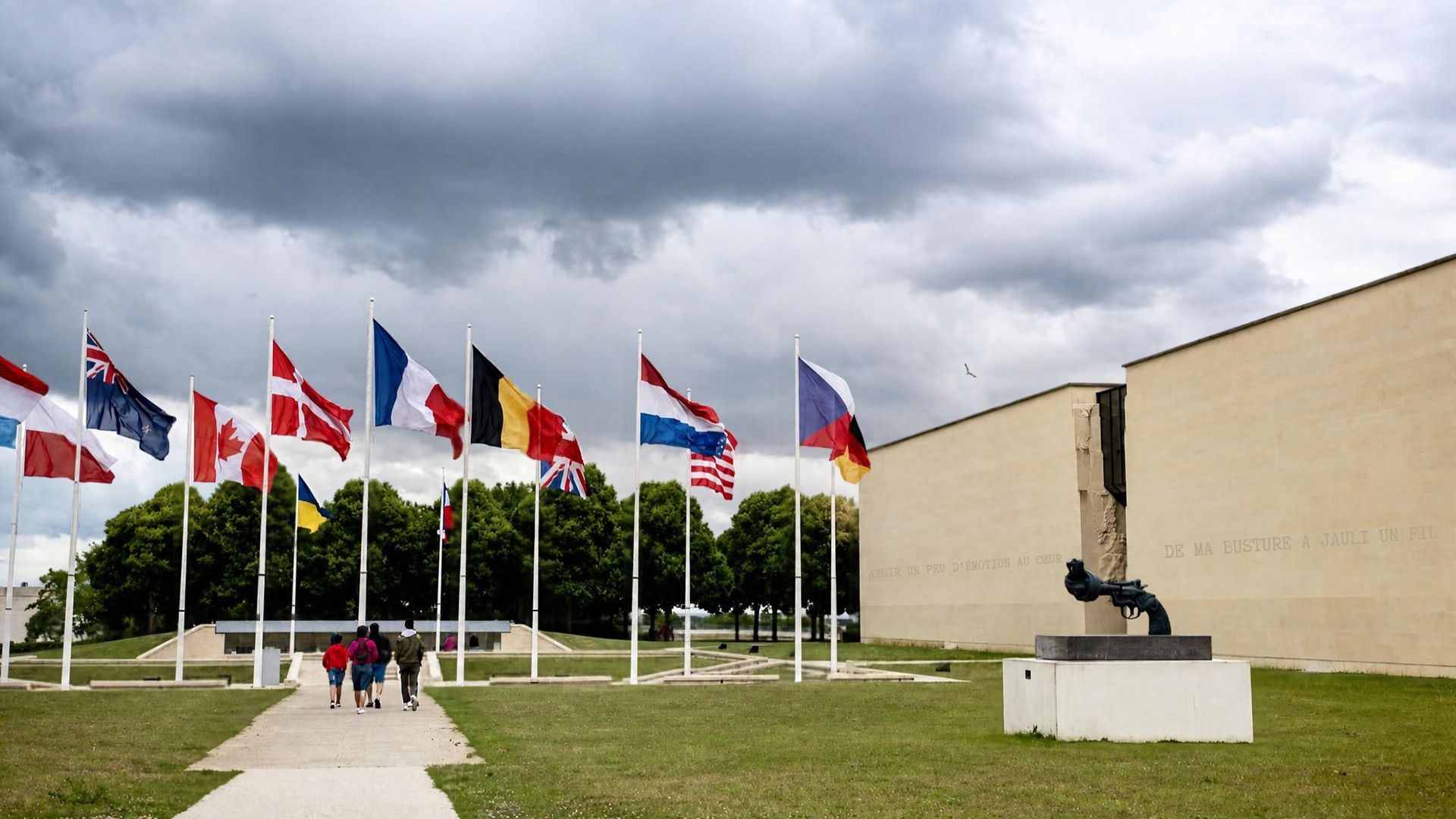
Due to the recent French student protests, to avoid any risk of administrative closure or campus lockdowns, the event “Practices and challenges of using artificial intelligence for history and memory” in Caen on November 2 is moved to a new location :
Archives Départementales du Calvados / Departmental archives of Calvados Auditorium Principal 61 Rue de Lion-sur-Mer, 14000 Caen
This autumn, the LRE Foundation launched “Lessons from the Past: Practical Tools for Today’s Challenges,” a free online workshop series – co-funded by the European Union – that looks at the challenges we face in society today, from disinformation to exclusion, through the lens of remembrance and the history of the Second World War. Each session brings together experts and partner organisations to offer different perspectives, practical tools and skills for better understanding the world around us and how what we learned from our past shape how we respond to the present.
The workshops are designed primarily for young participants (18-30 years old ) who want to build practical skills for navigating a complex, fast-changing world, from spotting propaganda to questioning how history is told. The topics will also be of interest to remembrance professionals, educators and anyone curious about the link between history and modern society. No prior expertise is needed, only curiosity and a willingness to join the conversation.
The series opened on 22 October with “Media Literacy Under Fire: Deconstructing Anti-Ukrainian Disinformation,” held together with Demagog, Poland’s first fact-checking organisation. The session explored how anti-Ukrainian disinformation works and which tools help us check whether what we read online is trustworthy.
The webinars continue in November with two workshops on the role of remembrance and the Second World War in shaping how we understand society today:
How Do We Remember? Memory, Perspective and the Stories We Tell
19 November 2026 | Online & free of charge Choose one of two sessions: 15:00-17:00 CET or 18:00-20:00 CET
Why can the same historical events, including those of the Second World War, be remembered differently by different people and communities? Led by Deina, this interactive workshop explores how historical memory is shaped, whose stories are told or left out, and whether different perspectives on the past can coexist. Through discussions, case studies and interactive exercises, participants will reflect on how the stories we tell about the past influence the way we understand society today, and what that means for dialogue in diverse societies.
Places in each session are limited to keep the experience interactive and give everyone a chance to contribute, which is why two time slots are on offer.
24 November 2026 | 16:00-17:30 CET | Online & free of charge
More than 80 years after the end of the Second World War, do we truly commemorate all of its victims? And have the taboos surrounding those persecuted during the war really disappeared?
This workshop is led by researchers Dr Joanna Ostrowska of the Queer Museum in Warsaw and Dr Noah Munier of the University of Stuttgart. They will examine why certain groups of victims and survivors have been overlooked, silenced or excluded from collective memory, with a particular focus on queer people persecuted during the war. The session will also look at how institutions and dominant historical narratives shape our understanding of the past, why some stories still receive less recognition than others, and what this means for inclusion and remembrance today.
More workshops are on the way, continuing to connect today’s challenges with the lessons of remembrance. To hear about new sessions as soon as they are announced, follow @lre_youth on Instagram or the LRE Foundation’s account on LinkedIn.
Know a student, young colleague or fellow educator who might be interested? Please share this article with them.
Funded by the European Union. Views and opinions expressed are however those of the author(s) only and do not necessarily reflect those of the European Union or European Education and Culture Executive Agency (EACEA). Neither the European Union nor the granting authority can be held responsible for them.
Because of their strategic position on the Nederrijn (Lower Rhine) and the Grebbeberg, both Rhenen and Wageningen became the central theatre of war at the start and at the end of WWII. This context forms the centrepiece of both routes, which cover both the military and civilian perspectives. From the Battle of the Grebbeberg in May 1940 to the negotiations at Hotel De Wereld (Wageningen) five years later deciding on the terms of the surrender of all German troops in the Netherlands, the two routes retrace the experiences of soldiers, citizens and the reality of war from the start to the end.
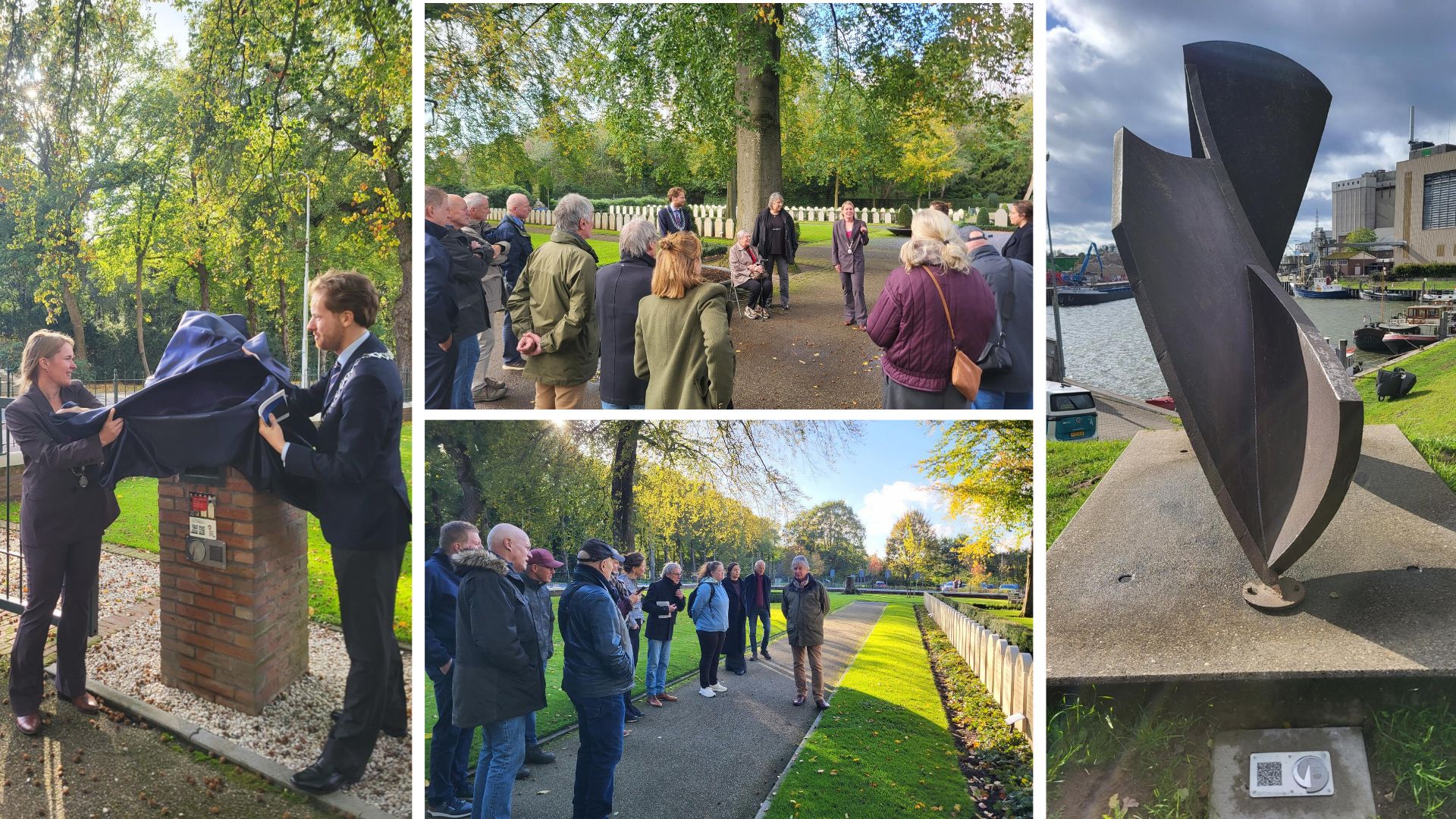
Caroline Folmer, deputy mayor of Rhenen, and Floor Vermeulen, mayor of Wageningen, were present on the Grebbeberg to emphasise their municipalities’ connection to this shared history. The program included a welcoming reception at the Information Centre of the Cemetery of Honour and a guided walk on the hiking route led by Stichting De Greb.
The LRE Foundation developed the walking and cycling route, the Oorlogsgraven Stichting (War Graves Foundation) manages the cemetery of honour, and Stichting De Greb contributed to the content of the stories. Both routes, monuments, museums, memorial sites and stories can be found on the website www.liberationroute.com and the Liberation Route Europe app. Along the trails, several stories are marked by a Vector of Memory, small memorials that mark memorable spots and whose QR codes link directly to the story on the website.
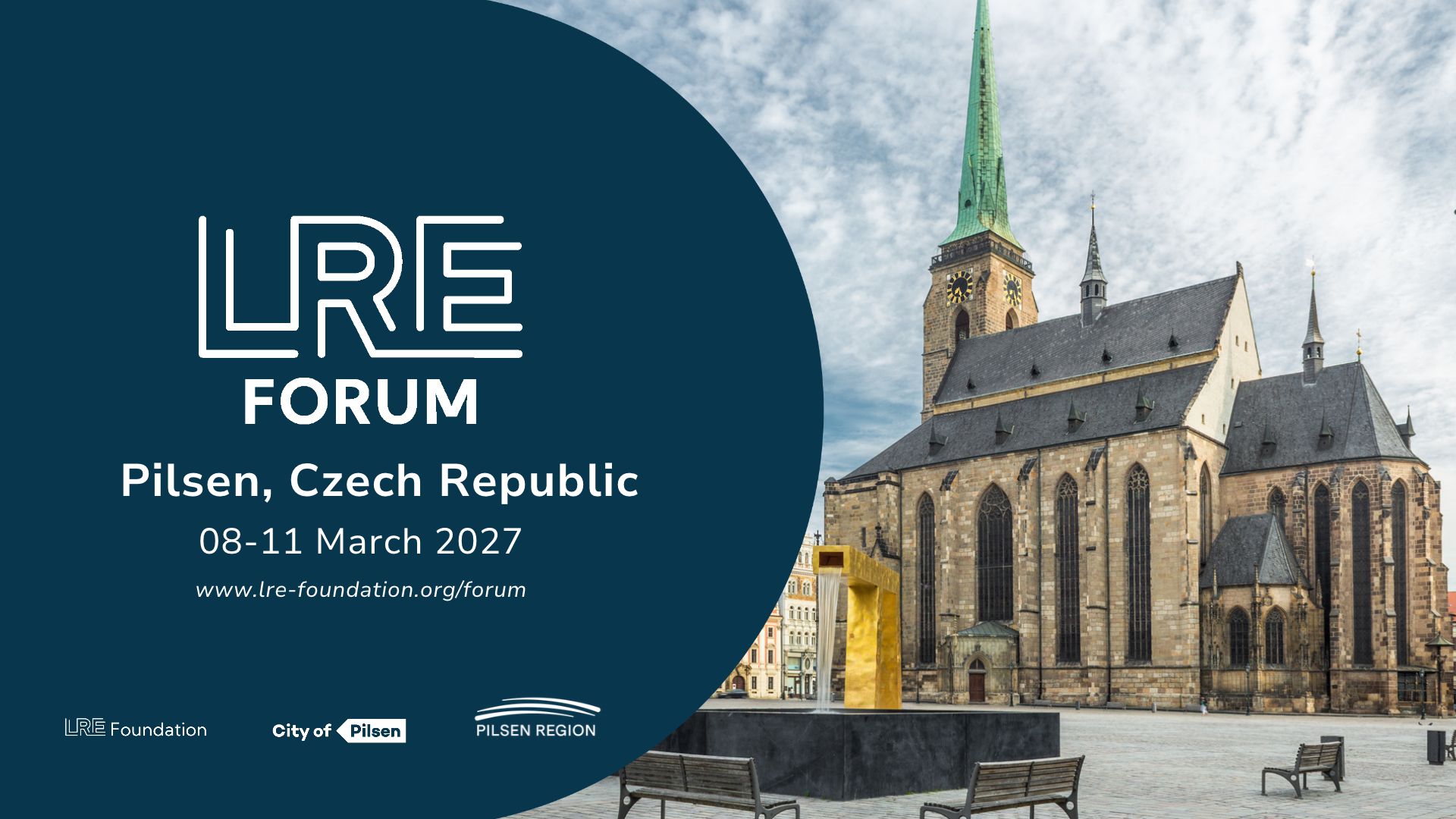
Registrations are officially open for the LRE Forum 2027! From 8 to 11 March, the LRE Foundation’s annual international gathering will take place in Pilsen, Czech Republic, bringing together professionals and organisations working in WWII remembrance, heritage and remembrance tourism.
Organised by the LRE Foundation in partnership with the City of Pilsen and the Pilsen Region, the Forum offers four days of discussions, networking opportunities, professional exchanges and visits to significant historical sites.
This year’s LRE Forum combines networking opportunities with a programme exploring contested WWII narratives and the future direction of the LRE network.
On 9 March, the LRE Member Seminar will focus on our Strategy LRE 2030, exploring the Foundation’s long-term vision and opportunities for members to shape future projects. Through dedicated Member Pitches, participants will also have the opportunity to present their own initiatives, share best practices and propose ideas for collaboration across the network. The seminar will also feature two parallel workshops, focusing on developing meaningful and sustainable WWII routes and youth perspectives on remembrance.
The afternoon’s LRE Conference, titled “Whose Liberation? Whose Memory? Hidden, Contested and Difficult WWII Narratives in Europe Today“, will examine how underrepresented histories, divided memories and contested interpretations of the Second World War continue to shape European societies.
The day will conclude with the LRE Gala, a dinner held in the beautiful Burgher’s Hall at Měšťanská beseda, dedicated to celebrating the network and welcoming its newest members. The evening will bring together LRE Foundation members and invited partners to connect and celebrate their shared commitment to remembrance. Participation is by invitation only, and registration is mandatory.
On 10 March, LREXPO 2027 will bring together LRE Foundation members, partners and tour operators from Europe and North America to develop new collaborations and explore opportunities in remembrance tourism.
The programme also includes networking events and guided site visits on 10–11 March, featuring the Patton Memorial Pilsen, the Lidice Memorial and a guided tour of Prague. International tour operators will also have the opportunity to join a FAM Trip organized with the support of Visit Pilsen and Visit the Pilsen Region to discover the historical sites and tourism opportunities in the Pilsen and Prague areas.
Pilsen and Its Second World War History
The host city of Pilsen holds a significant place in European WWII history. Home to the Škoda Works, one of the largest armaments producers in Central Europe, the city became a target of repeated Allied bombing raids in 1944 and 1945. Liberated by American troops on 6 May 1945, Pilsen continues to commemorate this moment through its annual Liberation Festival.
With its rich historical and cultural heritage, Pilsen provides a meaningful setting to reflect on the different experiences and legacies of liberation across Europe.
Register Now and Secure Your Place
Registration for the LRE Forum 2027 is now open. Participants are invited to register individually for each event they wish to attend.
Please note that some events are open to the wider public, while others are reserved for LRE Foundation members, invited partners or participating tour operators. We encourage you to check the participation requirements for each activity before registering.
Some activities, particularly the guided site visits, have limited capacity. Early registration is therefore strongly recommended.
Following registration, participants will receive information about selected hotels in Pilsen offering special accommodation rates.
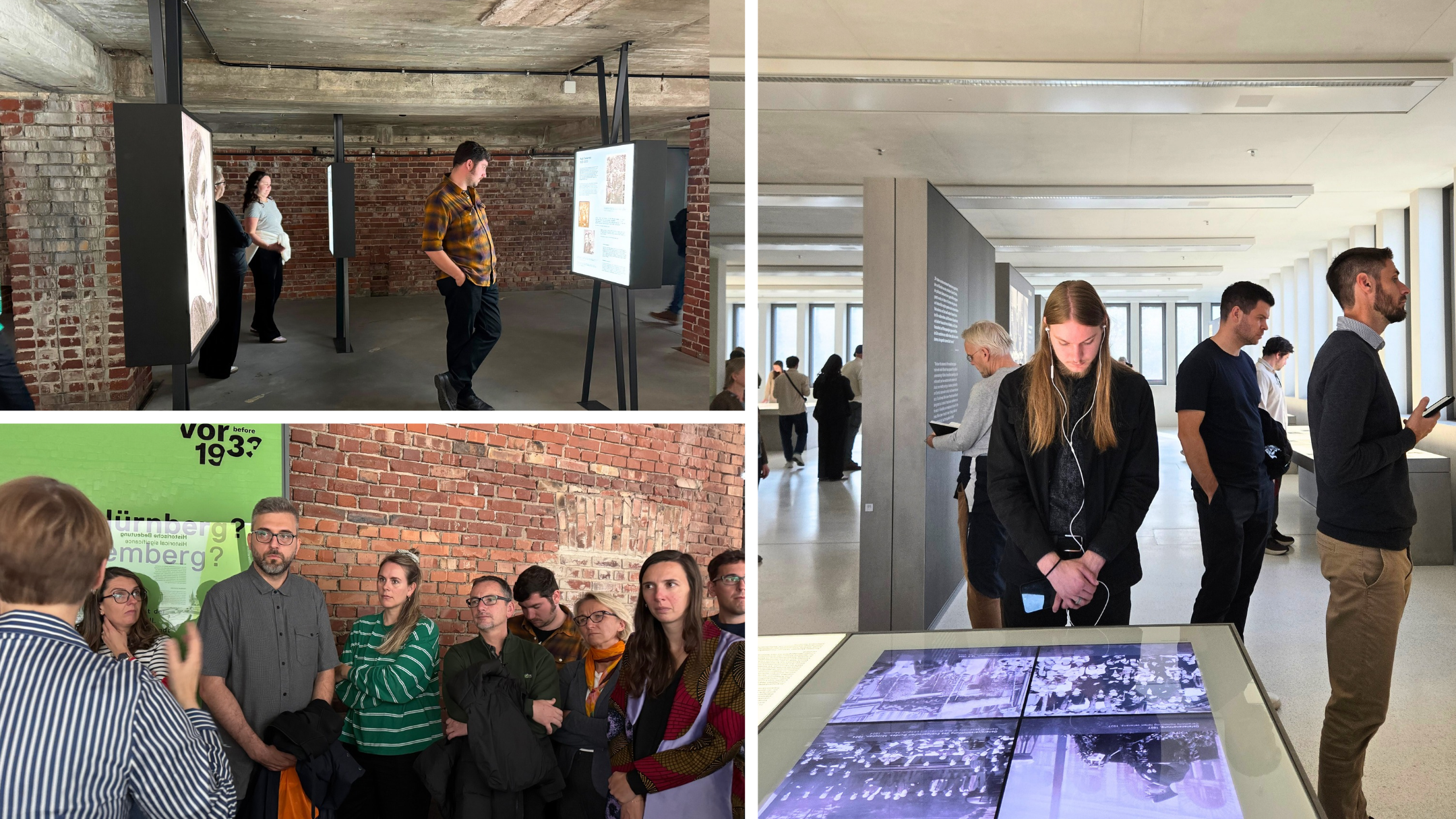
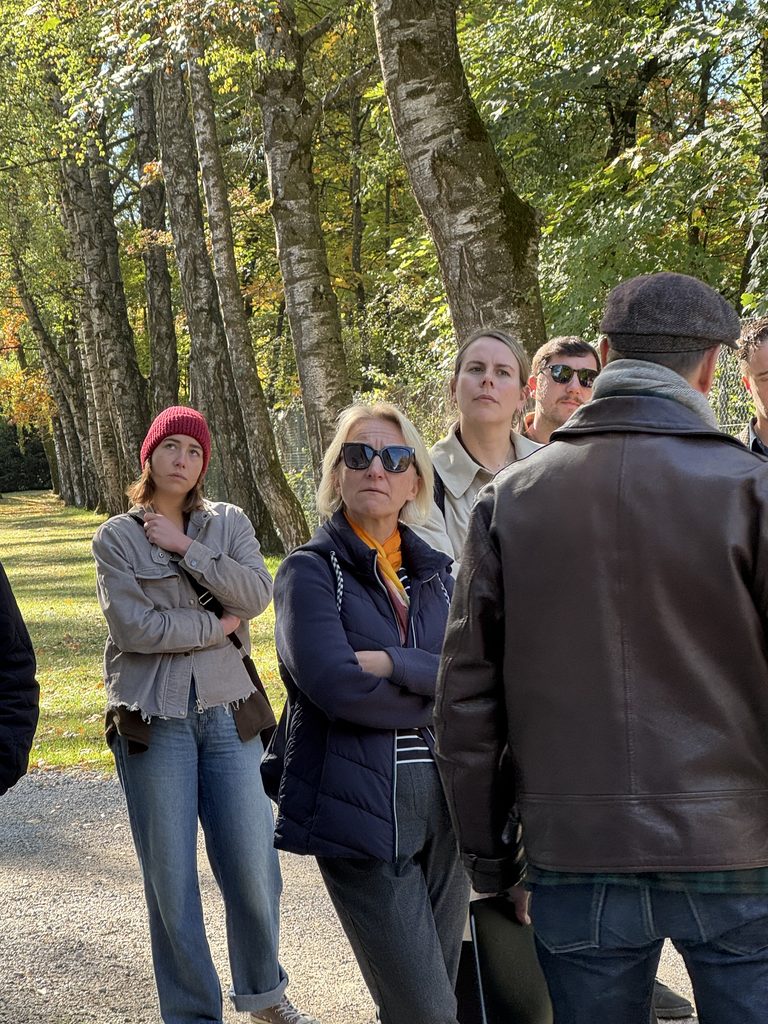
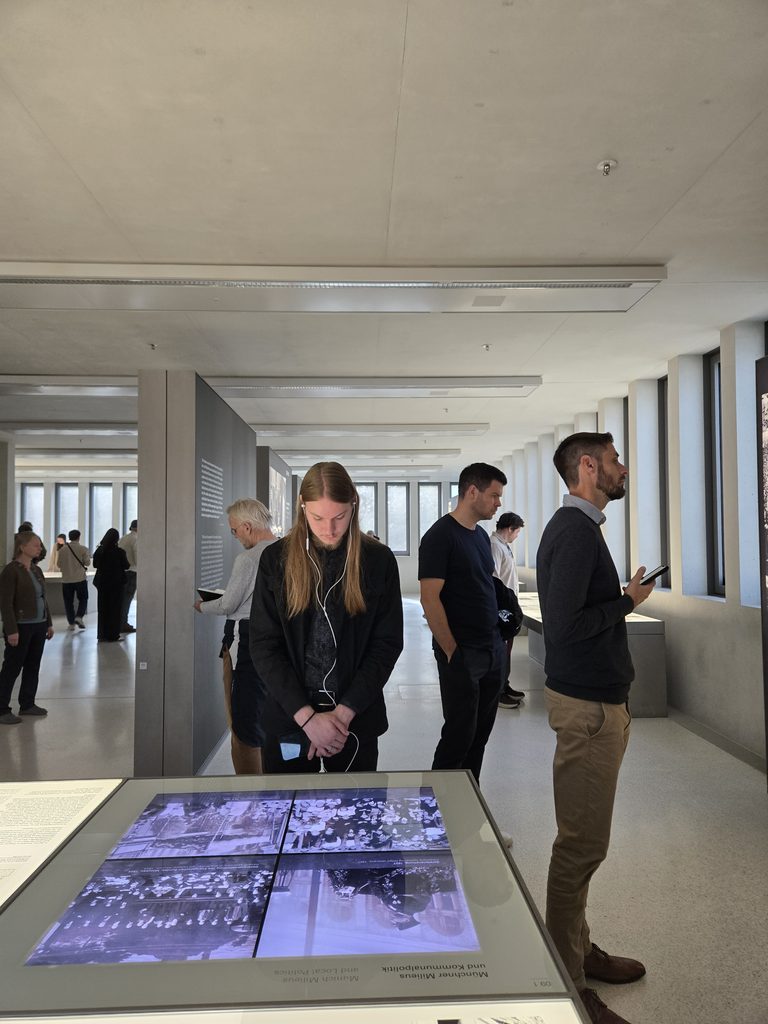
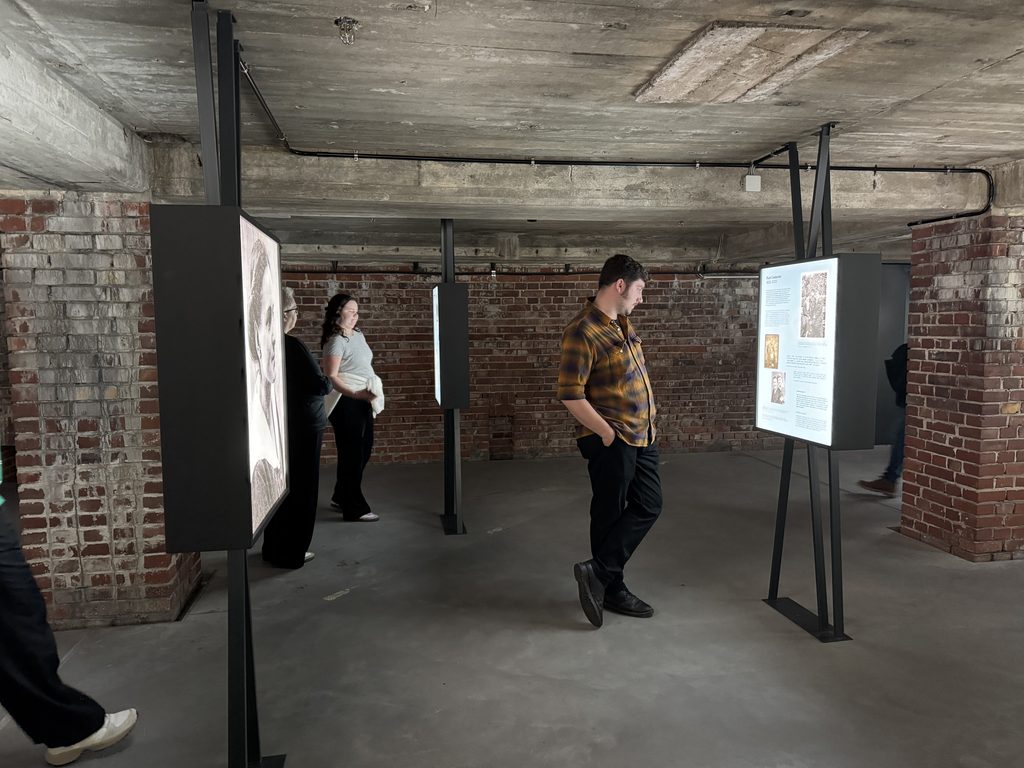
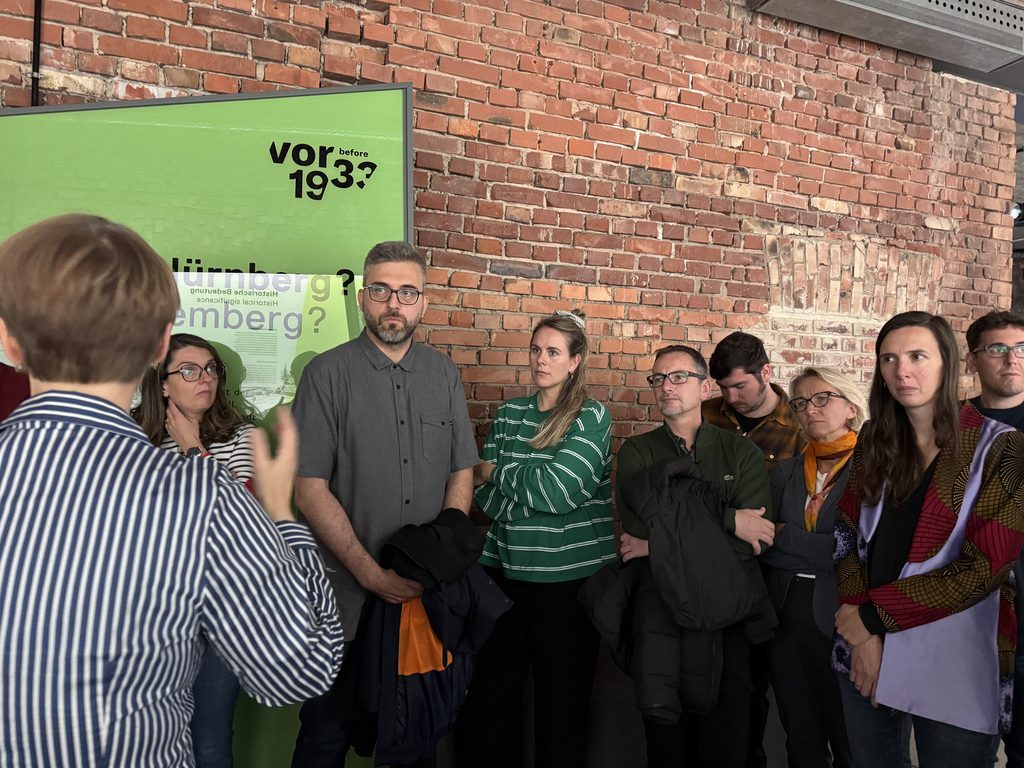
From 12 to 14 October 2026, a large international group of members and partners of the LRE Foundation travelled to Bavaria for a three-day study trip organised as part of the Break the Echo programme. Over three intense days in Dachau, Munich and Nuremberg, participants followed the history of National Socialism from its beginnings to its consequences, and explored how that history is remembered, taught and transmitted today.
A programme with an educational outlook
Break the Echo is a European project tackling Holocaust denial, distortion and antisemitism through education, remembrance and youth engagement. By connecting professionals and young people across Europe, it fosters dialogue, reflection and active remembrance helping keep the lessons of the past alive for future generations.
From the consequences to the origins: Dachau and Munich
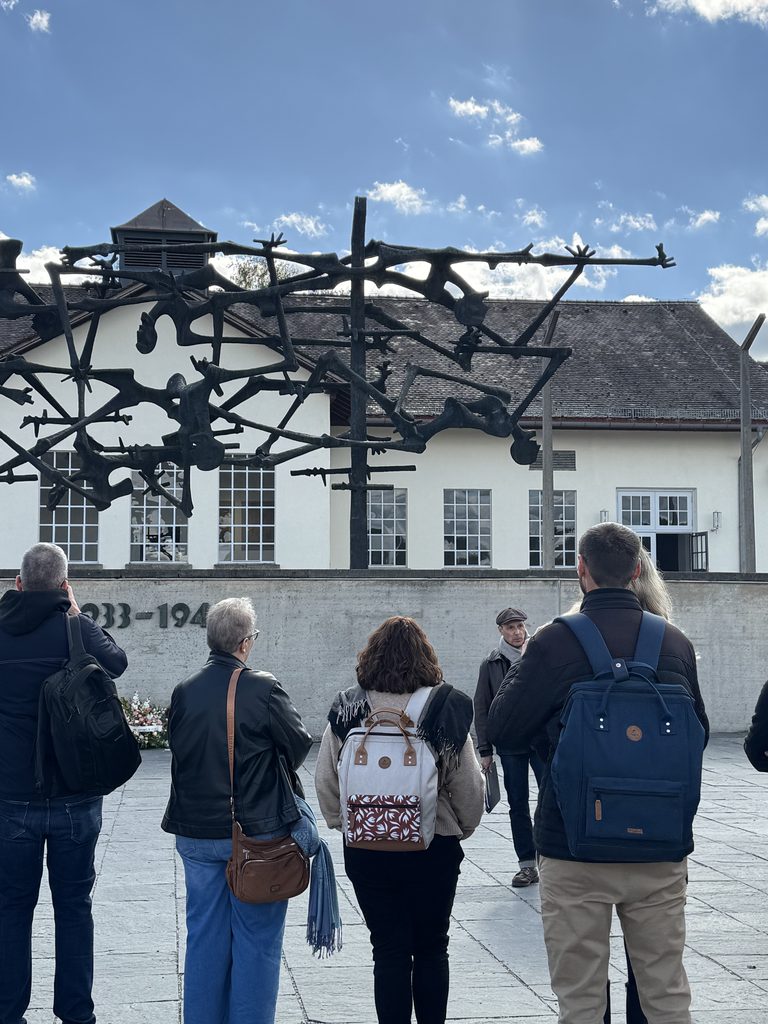
The trip began at the Dachau Concentration Camp Memorial, where participants took a guided tour. Standing on the site of the first Nazi concentration camp gave the group a direct and sobering view of the consequences of the regime’s ideology.
Back in Munich, two parallel guided walking tours, “Jewish Life in Munich and Traces of Persecution”, led the group through the city centre. They showed how Jewish life was woven into the city’s history, and how persecution left its marks on streets and squares that are today part of everyday life.
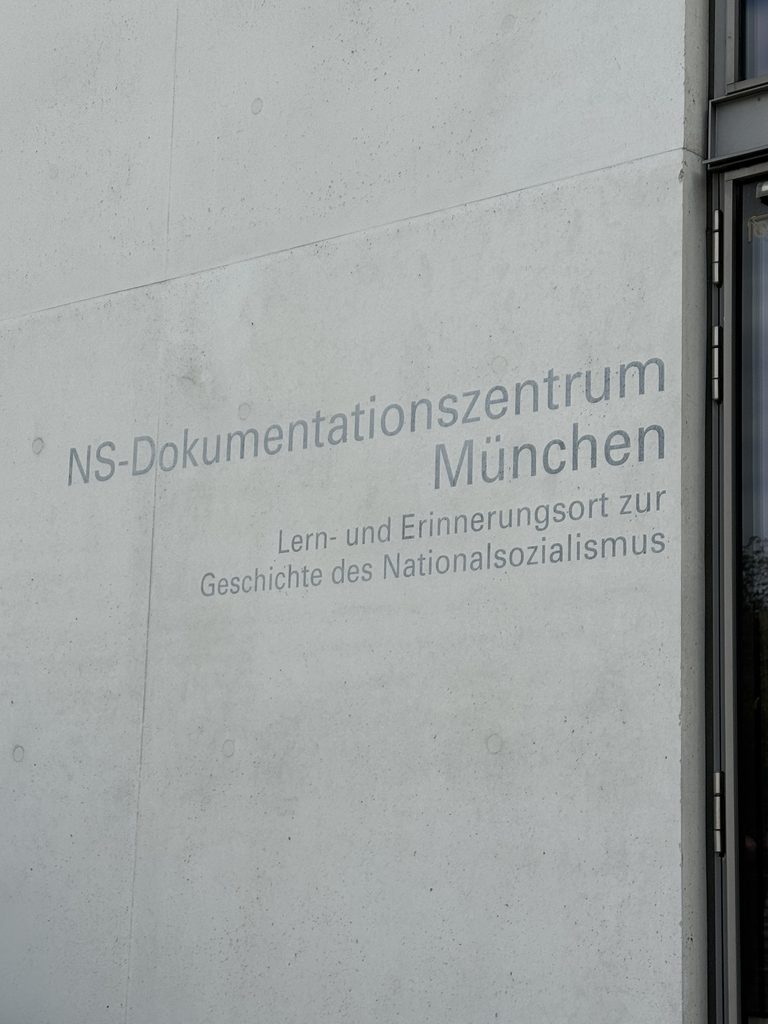
The following day, the visit to NS-Dokumentationszentrum München (nsdoku) added to the picture. Its permanent exhibition explores the origins, structures and consequences of National Socialism up to the present day.
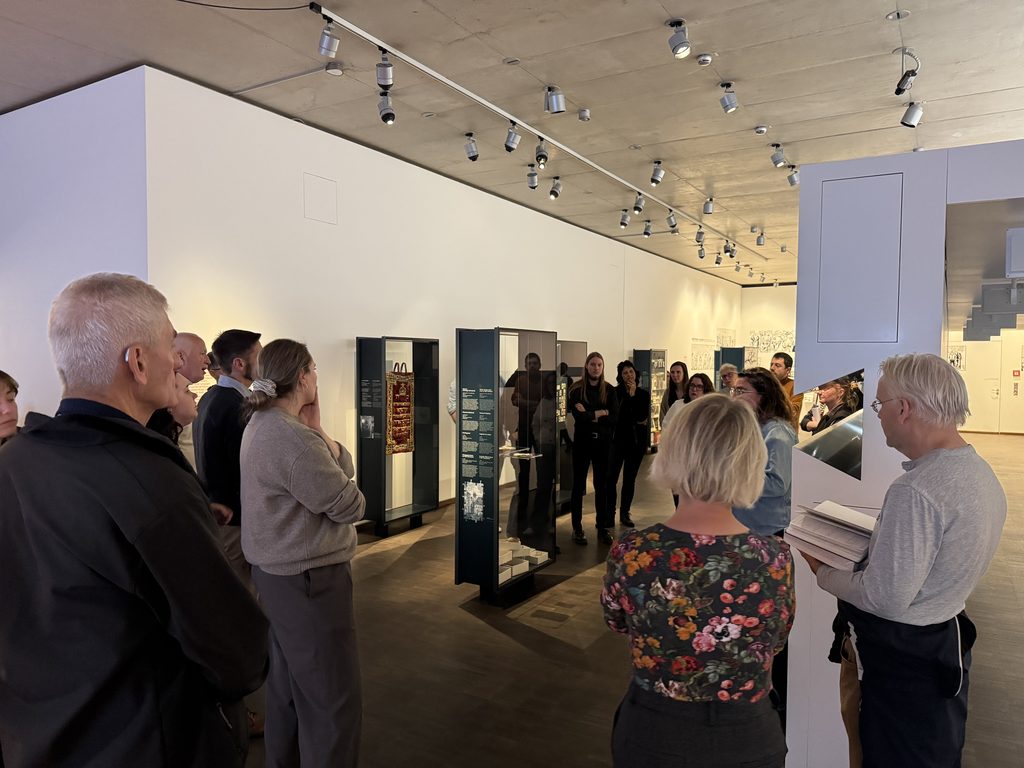
The group then visited the Jewish Museum Munich for a guided tour by one of the museum curators, which gave the participants a clear understanding of the systematic discrimination and persecution Jewish people had suffered in Munich and elsewhere long before WWII. A walk around St.-Jakobs-Platz, with the museum, the Ohel Jakob Synagogue and the Jewish Community Centre, showed Jewish life in Munich as a living, visible presence in the city today.
The expert meeting: memory culture in Bavaria
A highlight of the trip was the expert meeting and discussion on Memory Culture in Bavaria: Teaching National Socialism and the Holocaust Today. It gave participants the chance to hear directly from local remembrance workers about the Holocaust memory work carried out in Bavaria. Three experts shared their knowledge and perspectives:
Manon Haase, who presented the historical site and future memorial at Neuaubing;
Dr. Alexander Korb, Holocaust historian and former director of the Memorium Nuremberg Trials;
Dr. Dieter Reithmeier, of the Bavarian teacher association.
Their contributions linked the work done at historical sites, in research and in classrooms, and prompted a lively exchange with participants about the challenges and opportunities of keeping memory alive. Since the group included professionals from seven countries, the discussion also invited comparison with how remembrance work is shaped in each national context.
Nuremberg: the Rally Grounds and the Trials
The last day took the group to Nuremberg. Two parallel guided tours of the Documentation Centre Nazi Party Rally Grounds and a visit to its permanent exhibition showed how the regime staged itself and mobilised the masses in the 30s. The programme concluded at the Memorium Nuremberg Trials, where participants explored the history of the post-war trials.
Why such trip matters
For professionals who work with WWII history every day, there is great value in learning together, on site, and across borders. Walking through authentic places, listening to guides, curators and historians, and discussing what they see with colleagues from other countries allows participants to deepen their historical knowledge while also discovering how different institutions present and educate about local history and exchange the methods, questions and experience with peers from France, Czechia, the Netherlands, Italy, Germany, Belgium and Poland. Finally, an important aspect of this trip as reflected in the LRE Foundation’s network work is providing the possibility for international institutions to meet and strengthen the partnership that make joint remembrance projects possible.
What is next for Break the Echo
The study trip is one step in a programme that continues with new opportunities for learning and exchange:
Training modules for Holocaust education, made available by ARQ National Psychotrauma Centre and Post Bellum in February.
Youth events organised in the Netherlands, Italy, Belgium and Czechia.
A workshop for professionals, organised by Ośrodek Brama Grodzka (Grodzka Gate) in Lublin, Poland, next year.
Follow the project page for updates on these activities.
The LRE Foundation warmly thanks everyone who contributed to the programme, and looks forward to carrying out the insights and connections of this study trip into the next steps of Break the Echo.
“Funded by the European Union. Views and opinions expressed are however those of the author(s) only and do not necessarily reflect those of the European Union or the European Education and Culture Executive Agency (EACEA). Neither the European Union nor EACEA can be held responsible for them.”
The LRE Foundation is pleased to welcome the Mémorial de Caen as its newest member.
Located in Normandy, the Mémorial de Caen is one of Europe’s most important memorials and has internationally recognised expertise in cultural, educational and scientific work. Opened in 1988, the museum explores the history of the 20th century, with a strong focus on the Second World War, the D-Day landings and the Battle of Normandy. Its exhibitions also address our shared European History and the Cold War.
Joining the LRE Foundation will create new opportunities for exchange between the Mémorial de Caen and organisations across the LREF network, bringing together different experiences of researching, interpreting and communicating the history and legacy of the Second World War.
“Joining the LRE Foundation is, for the Mémorial de Caen, a way to strengthen exchanges and keep remembrance alive beyond national borders. Our ambition is to pass on history in order to better understand the contemporary world and give everyone the tools to reflect on the present.”
Laurent Ronis-Le Moal, Director General of the Mémorial de Caen
For the LRE Foundation, welcoming the Mémorial de Caen adds to its work and network in Normandy, a region central to the history and memory of the Second World War and the liberation of Europe.
“Welcoming the Mémorial de Caen into the LRE Foundation is a significant moment for our network. Few institutions have done as much to shape the way the history of the Second World War is understood and transmitted in Europe. Its decision to join us is therefore both a source of pride and a strong expression of a shared ambition: to connect leading institutions across borders, confront history in all its complexity, and ensure that remembrance remains meaningful for the generations to come.”
Rémi Praud, Managing Director of the LRE Foundation