Art of Remembrance exhibition reaches its final stop at La Coupole 

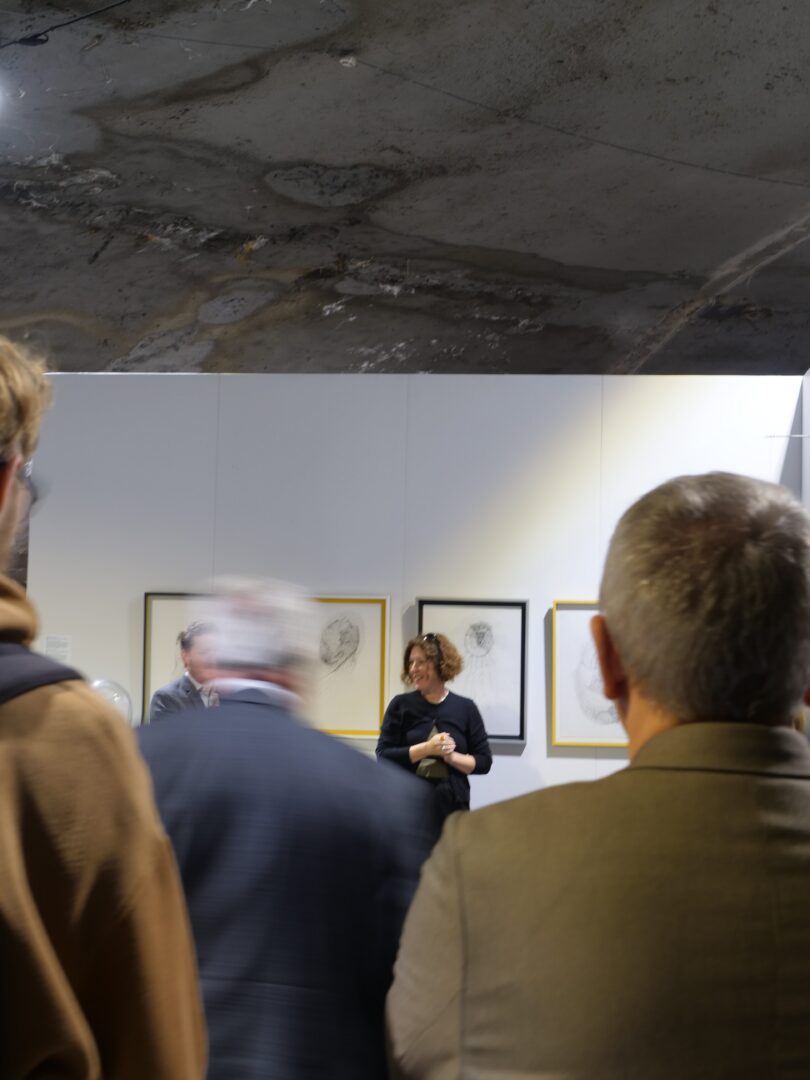
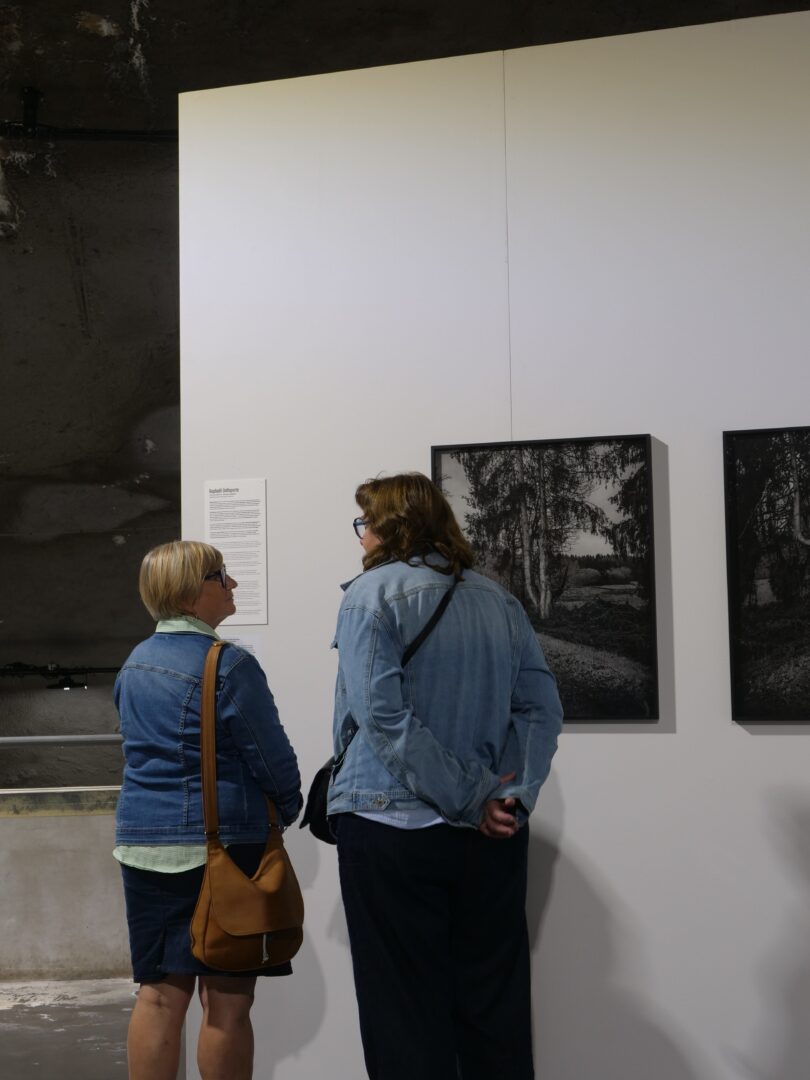
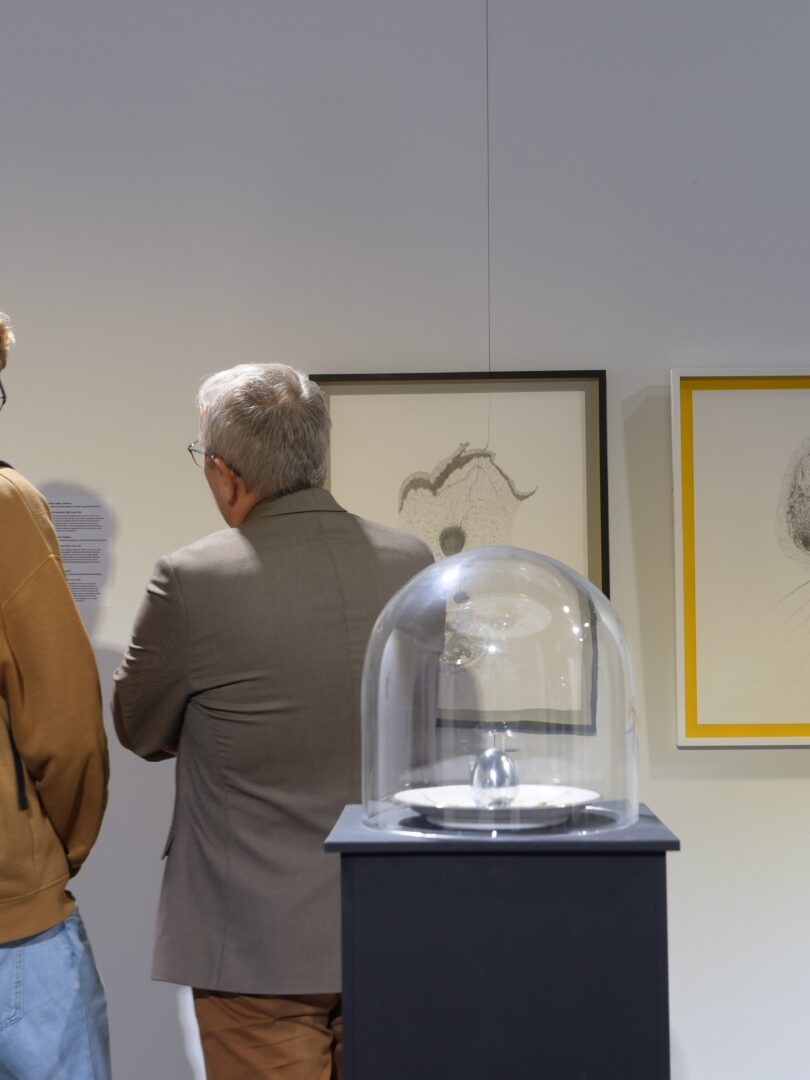
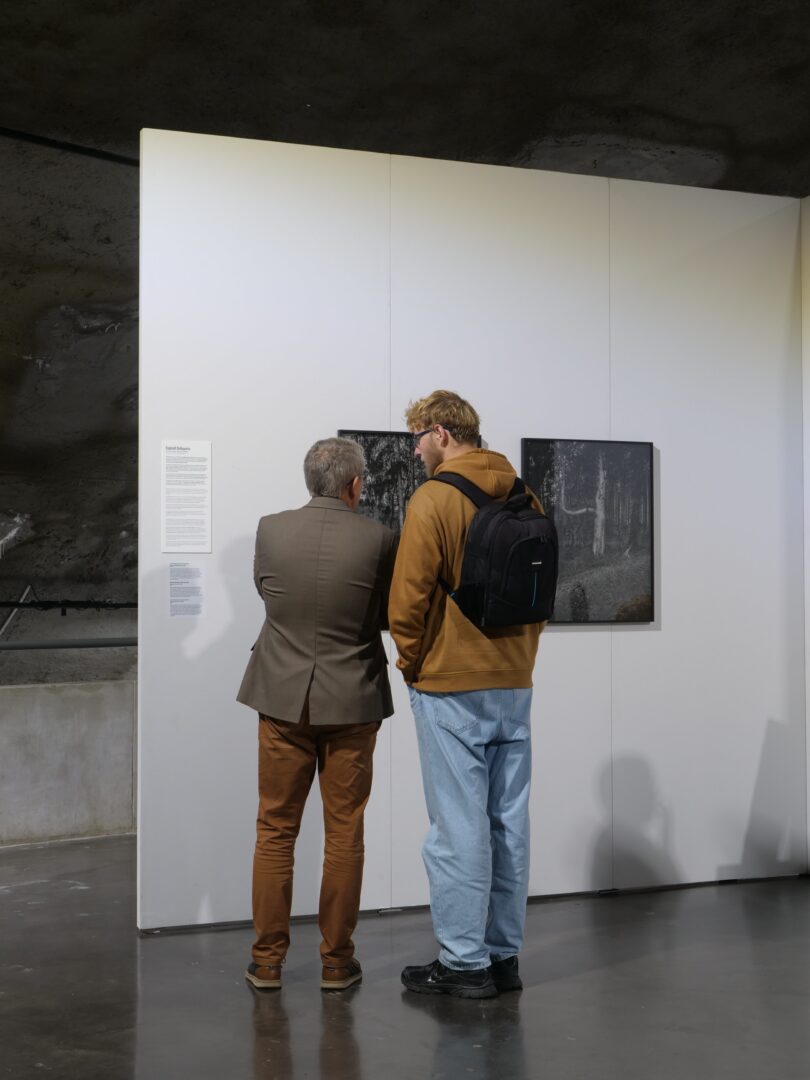
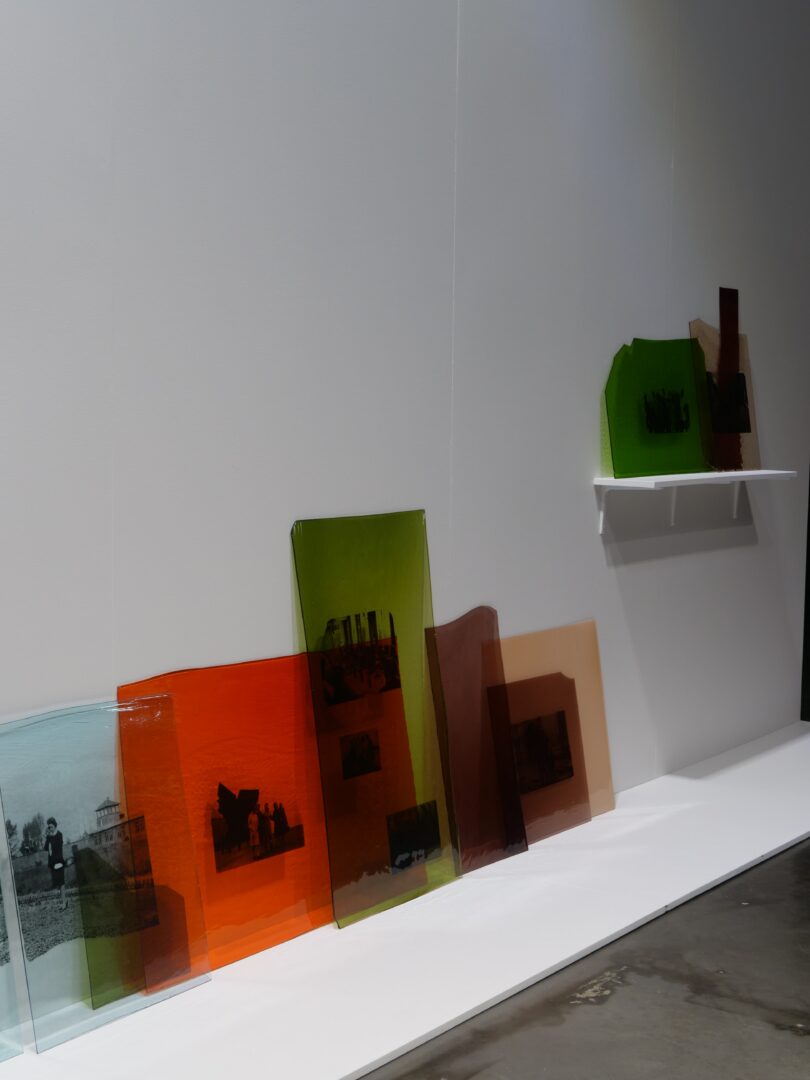
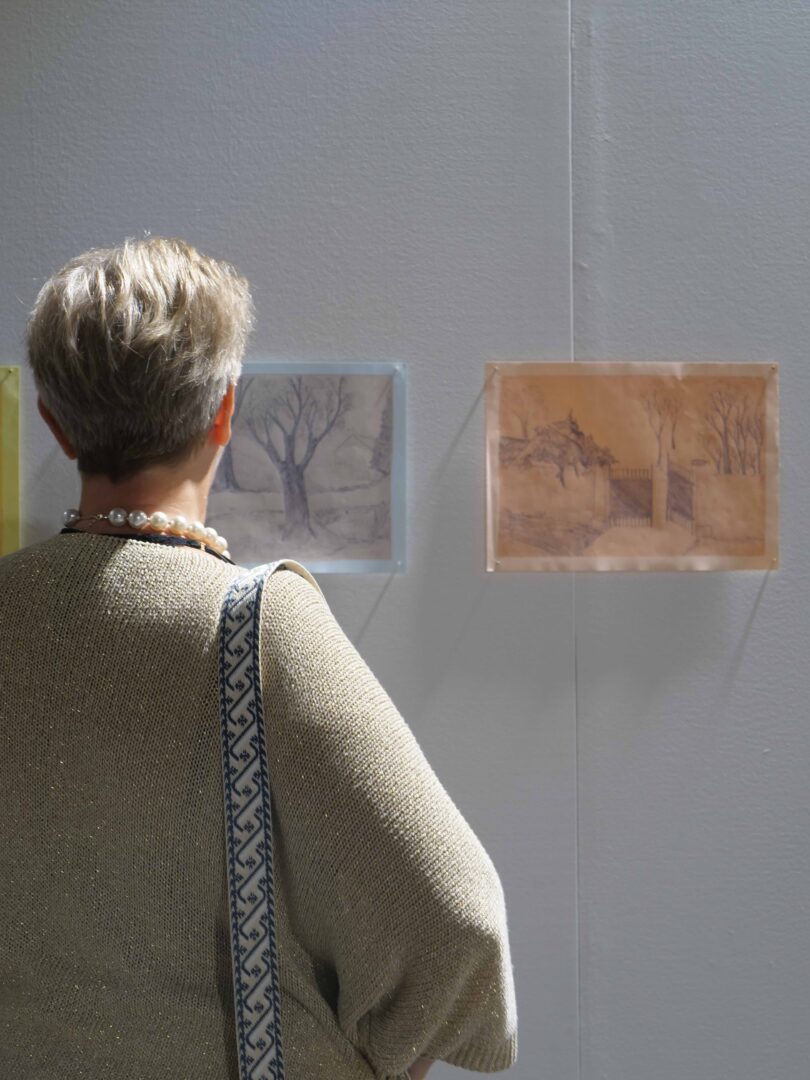
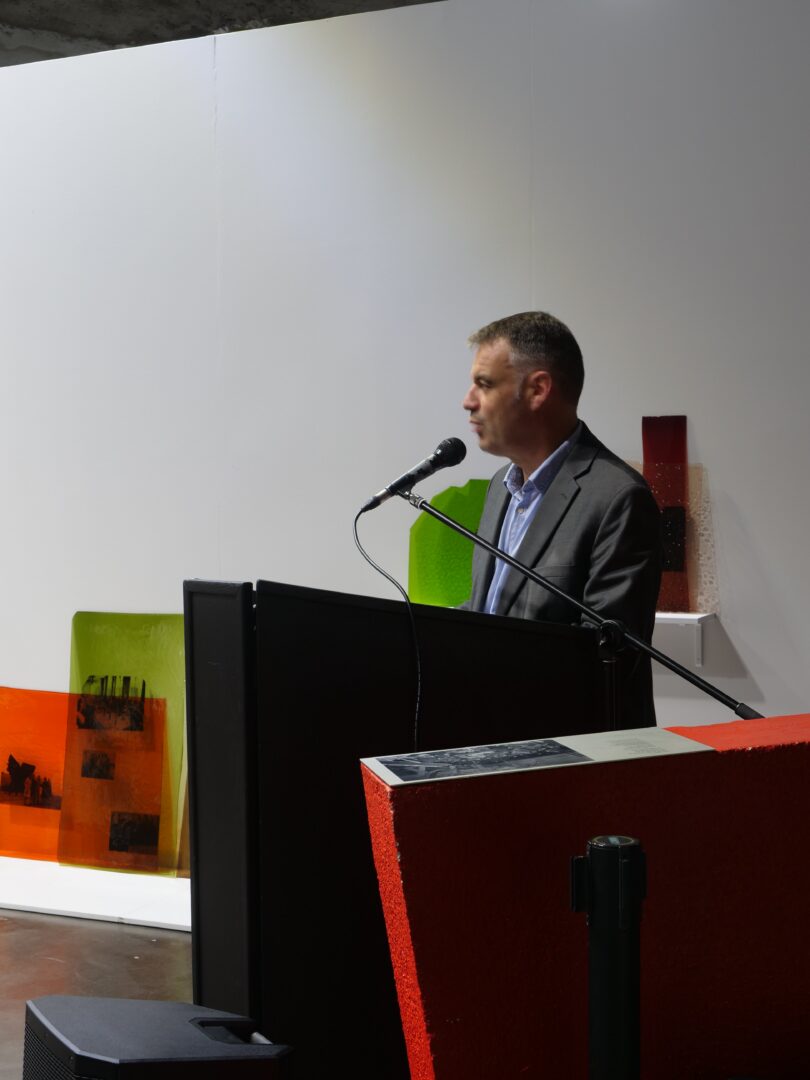
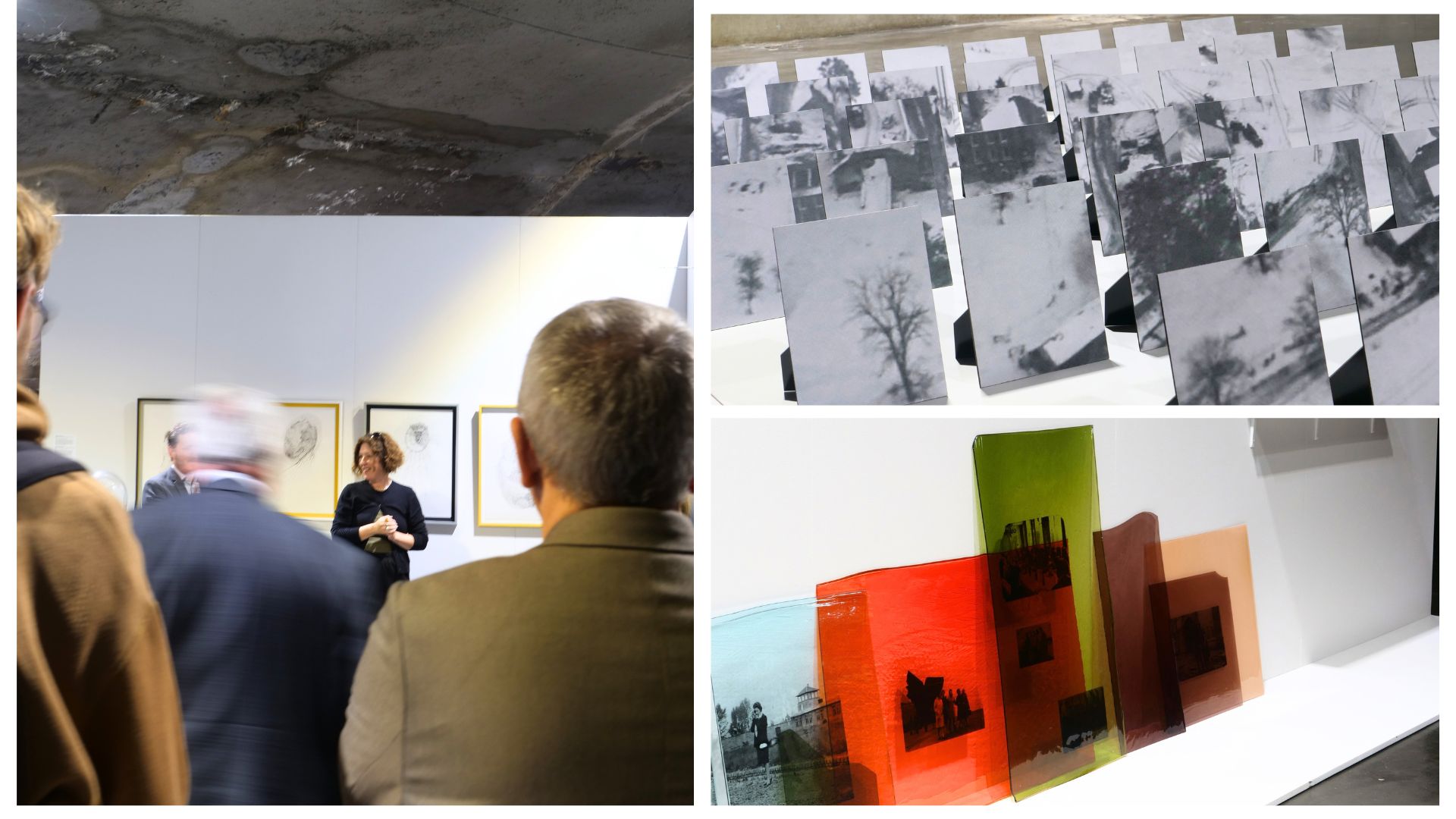
The Art of Remembrance exhibition has reached its final stop. On 18 September, the exhibition opened at La Coupole Museum in Wizernes, France, bringing together works by four contemporary artists who developed art pieces during residencies at four European sites of memory. 

The opening marked the final chapter of the exhibition’s 2026 European tour, following presentations at the Polo del Novecento in Turin (Nuto Revelli Foundation), the Bastogne War Museum in Belgium and the Sybir Memorial Museum in Poland. 

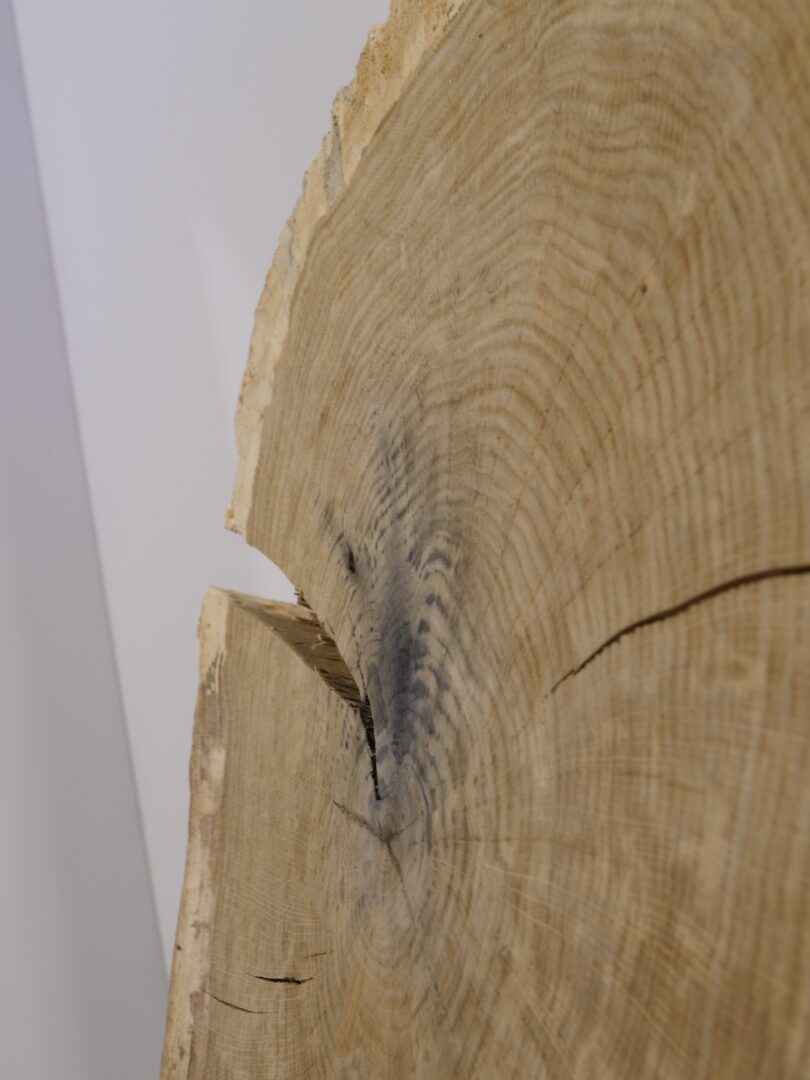
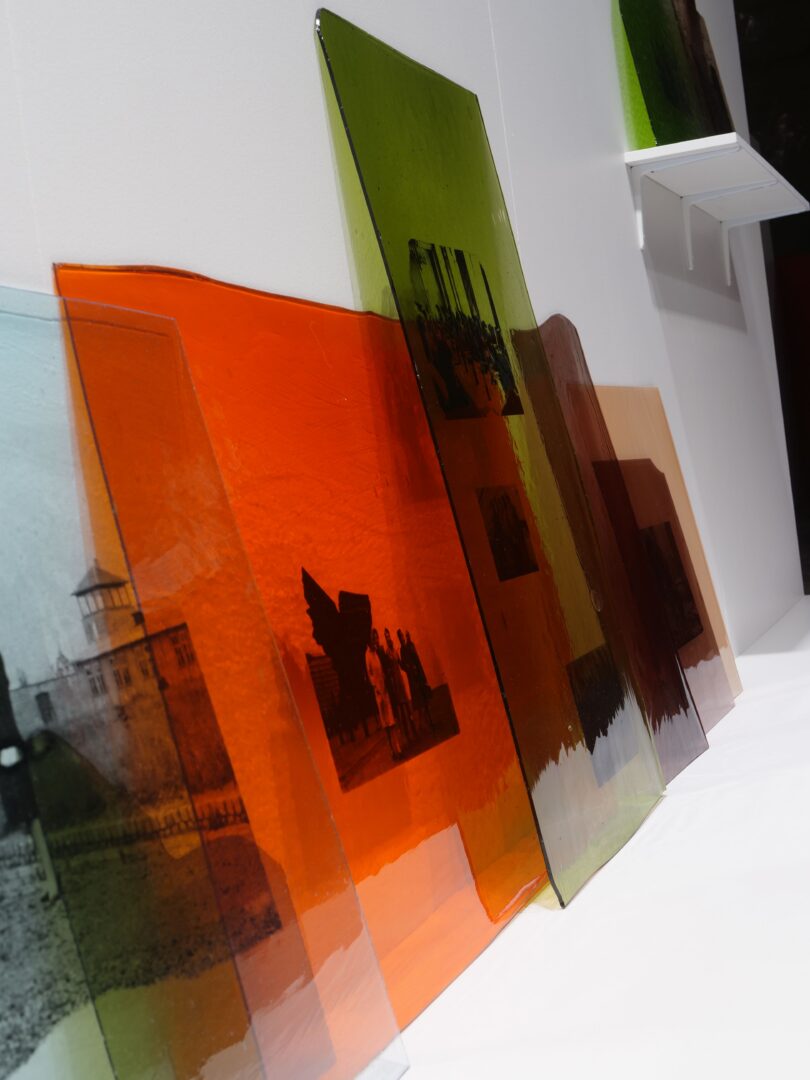
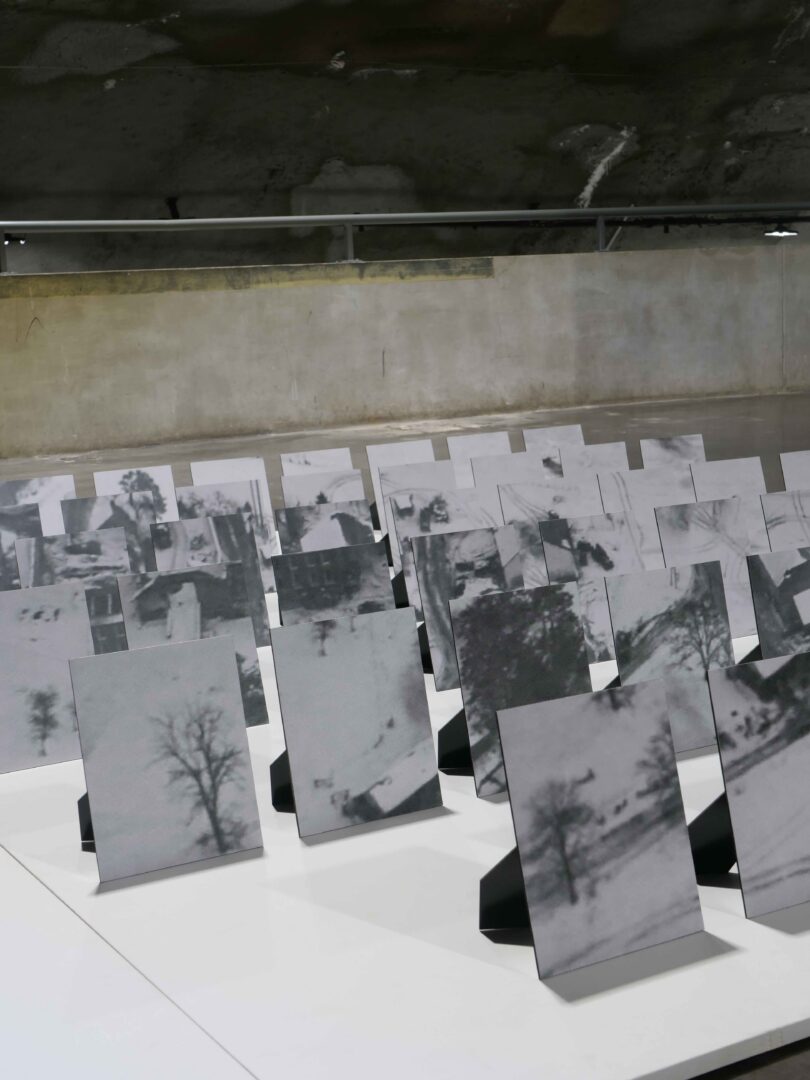
Coordinated by Tempora and the LRE Foundation, with the financial support of the European Union, Art of Remembrance brings together artists Rebekka Bauer, Raphaël Dallaporta, Juhana Moisander and Gail Ritchie. Through their different artistic approaches, the exhibition explores how places, archives and personal stories can shape our understanding of war and memory. 

The exhibition is open to the public at La Coupole Museum until 15 November 2026. 

Gail Ritchie’s residency at La Coupole 

For its final stop, Art of Remembrance returns to one of the sites that played a central role in the project. Northern Irish artist Gail Ritchie undertook her residency at La Coupole, working with the museum’s archives, underground tunnels, architecture and surrounding landscape. 

A former V2 rocket base, La Coupole brings together different layers of history, from German military technology and forced labour to the development of space exploration. During her residency, Ritchie explored the tensions between technological progress and human suffering, looking at how people and other living beings can become instrumentalised in the pursuit of progress. 

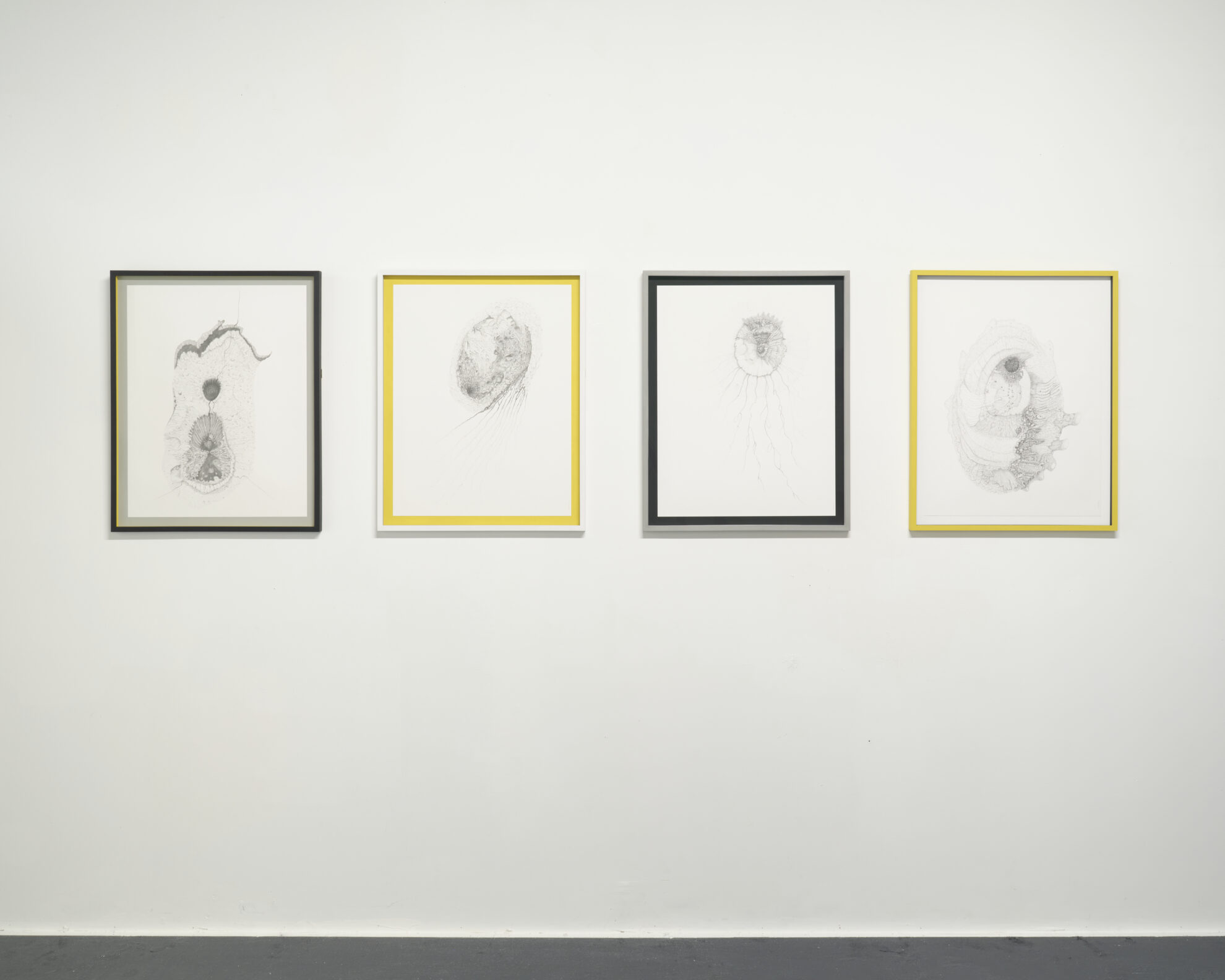
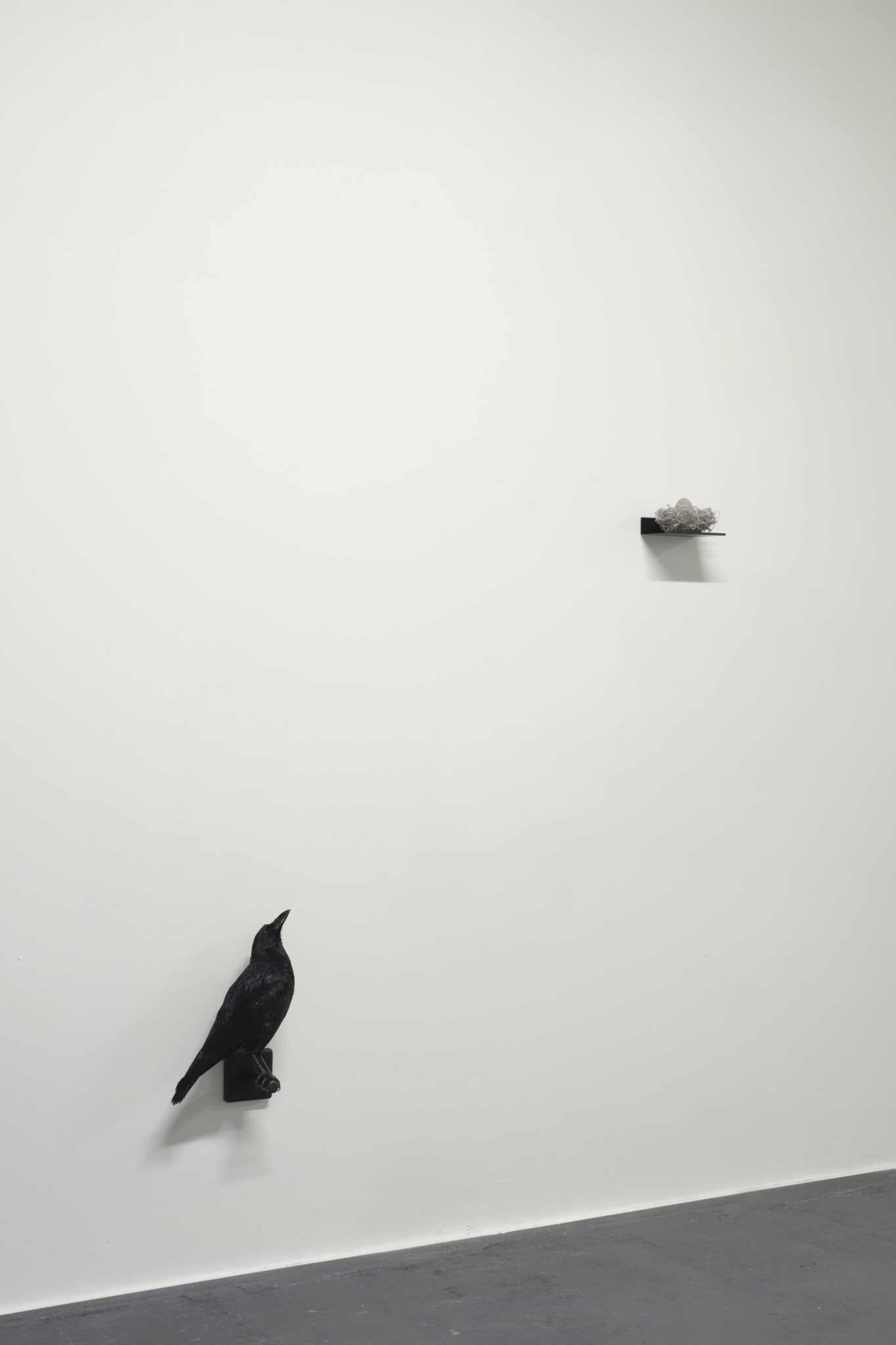
Four works resulting from her residency are presented in the exhibition. 

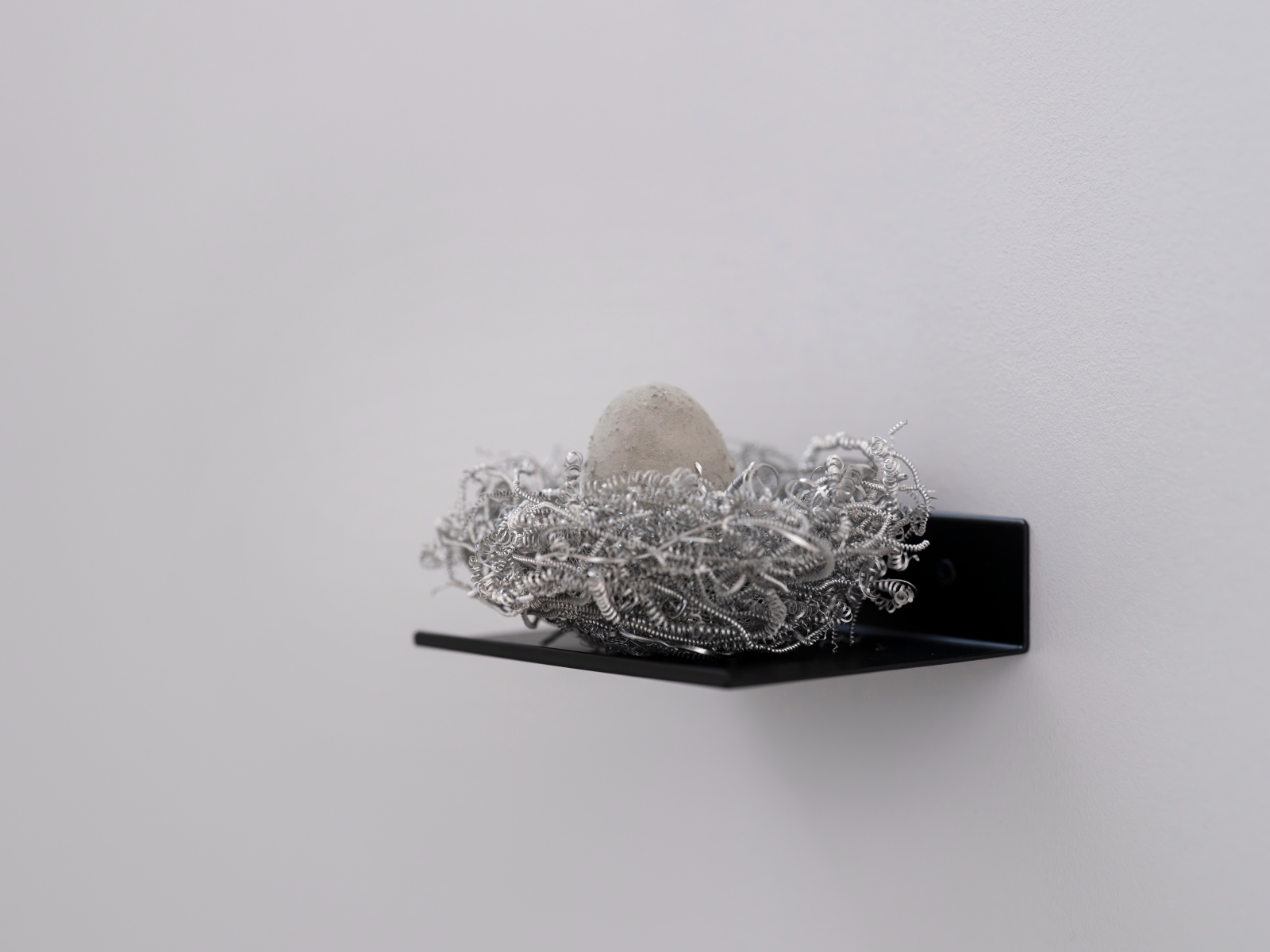
In The Party, a vintage ceramic plate in V2 camouflage colours is paired with an aluminium egg, connecting militarised aesthetics with the domestic and imaginative acts found in the recipe notebook of Maurice Bourdon, a forced labourer at La Coupole. 

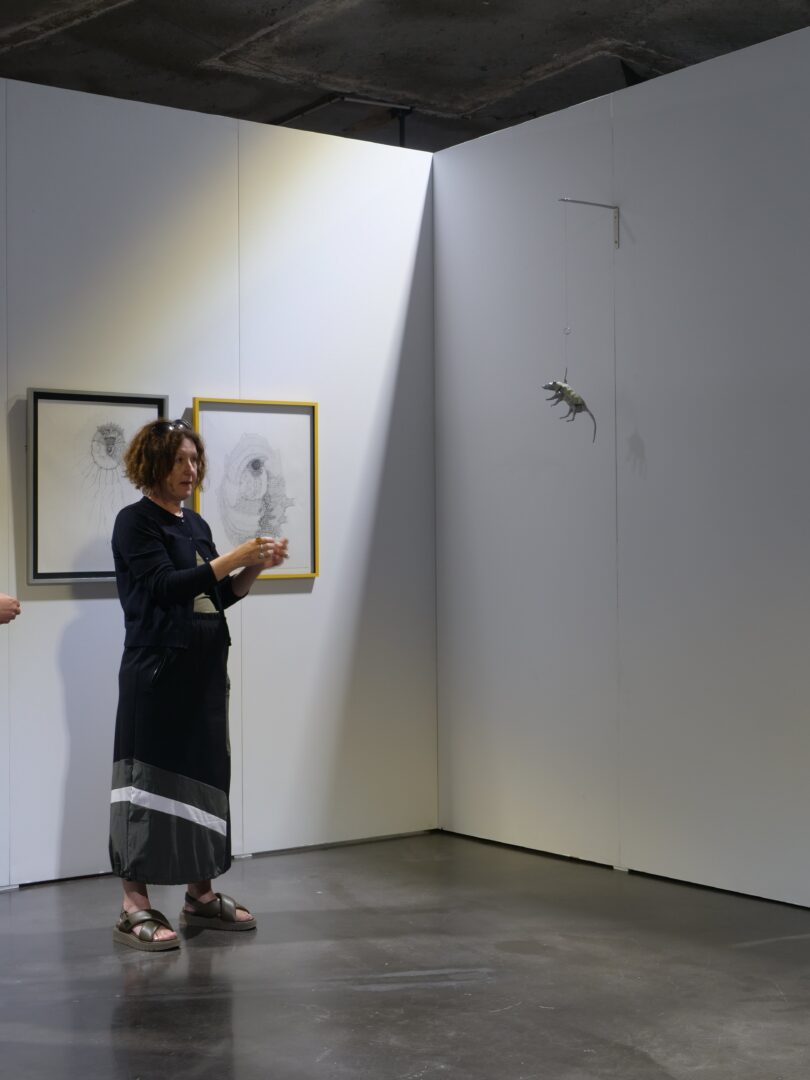
Hector (In memoriam 1961) depicts a life-sized aluminium rat wearing an anti-gravity suit. The work refers to Hector, a laboratory animal sent into space by the French space programme, while also evoking the forced labourers whose lives were treated as expendable. .
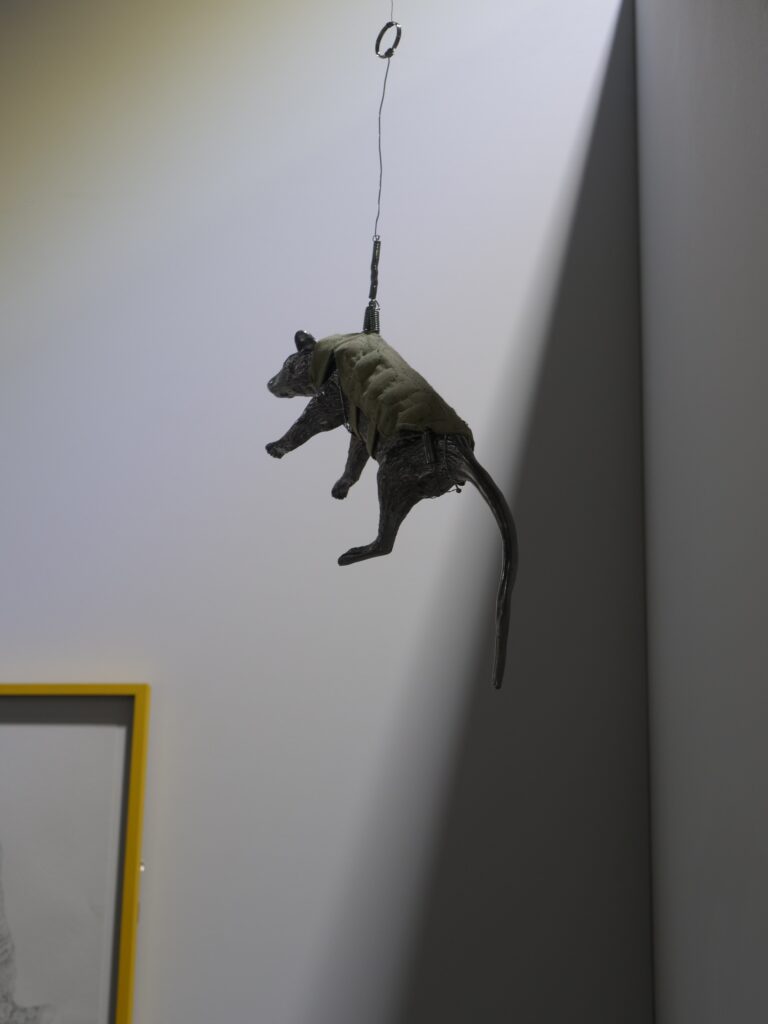
Hector (In memorium 1961) @ Gail Ritchie – 2025

The drawing series Crater / Creatura connects the tunnels of La Coupole, the bombed wartime landscape, the surface of the Moon and the imprint of an egg in concrete. Macha, meanwhile, features a taxidermy crow surrounded by aluminium and silver wire, reflecting on the wildlife reclaiming the site and themes of fragility, endurance and survival. 

Together, Ritchie’s works invite visitors to look at La Coupole through a different lens, as a place where histories of war, technology, exploitation and survival continue to intersect. 

The opening at La Coupole brings the Art of Remembrance tour to a close, after a year of artistic encounters across Europe. The exhibition offers visitors a chance to discover these different perspectives and reflect on how contemporary art can create new ways of engaging with sites of memory. 
The Greek Island of Chios becomes a member of the LRE Foundation 

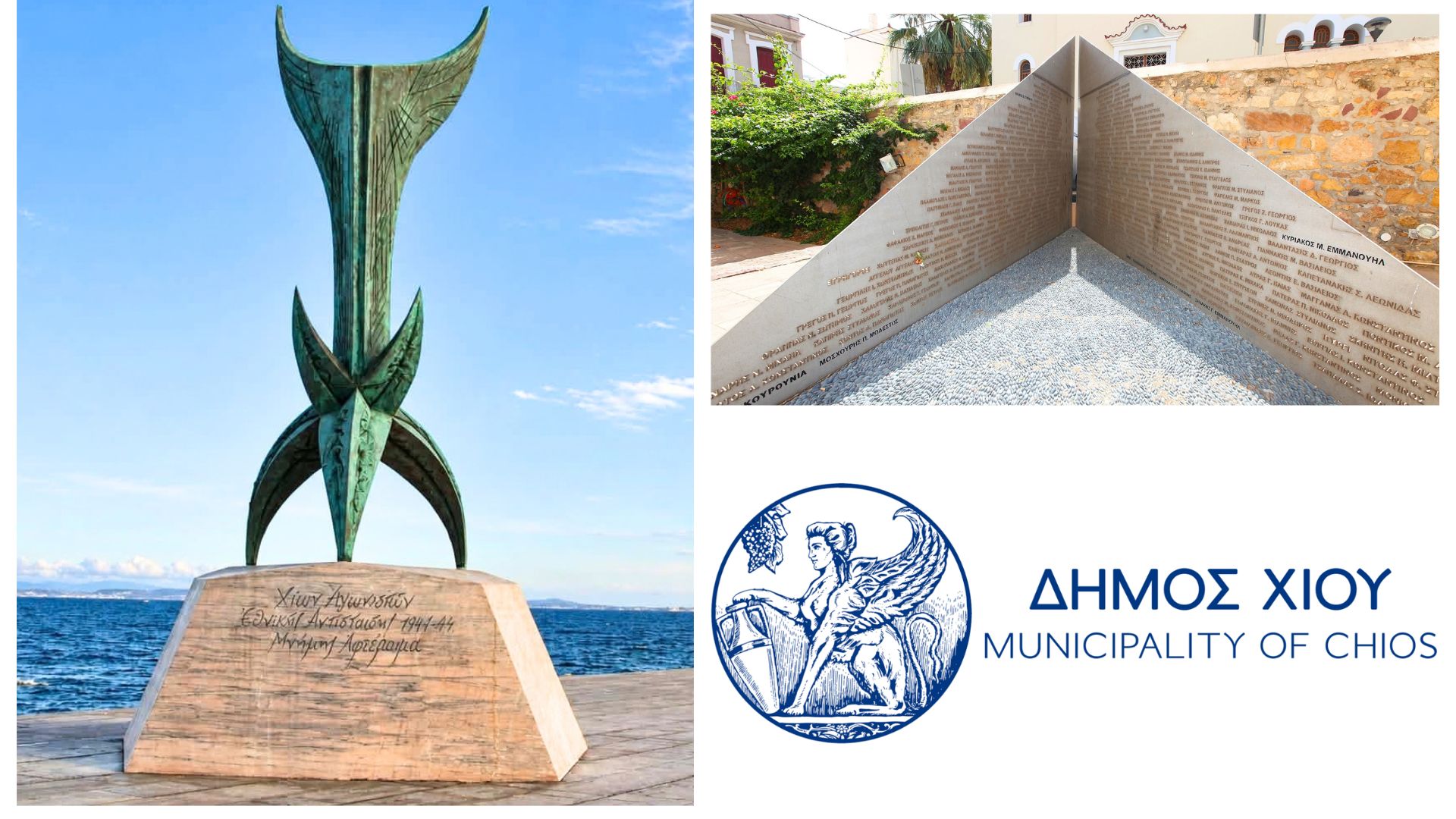
We are pleased to announce that the Municipality of Chios Island in Greece has officially joined the LRE Foundation network as a member. This membership will contribute to a deeper understanding of the maritime history of Chios and Greece during the Second World War, while bringing the island’s wartime history into a wider European context. 

Chios is a Greek island in the northeastern Aegean Sea and is traditionally regarded as one of the possible birthplaces of the ancient Greek poet Homer. The island has been an important maritime centre throughout its long history. It suffered a devastating massacre in 1822, during the Greek War of Independence, and was liberated from Ottoman rule in 1912 during the Balkan Wars. In 1913, it was formally incorporated into Greece. 
In October 1940, when Greece entered the Second World War, many residents of Chios served on the front lines or as sailors aboard warships. During the Nazi occupation, from 1941 until the island’s liberation in 1944, Chios became a hub for an extensive maritime network that facilitated the escape of resistance fighters and Allied soldiers. It also played an important role in intelligence gathering and espionage activities. 

Today, the historical memory of the Second World War in Chios is preserved through monuments, historic buildings and museums across the island. 

The Deputy Mayor of Tourism, George Christakis, stated: 

 “We are proud to be the first Greek island to join the LRE Foundation. This is a significant opportunity for Chios to contribute to the preservation and promotion of the historical memory of the Second World War, while working closely with the other members of the network to ensure that this collective memory is passed on to future generations. Through this initiative, we also aim to establish Chios as an attractive destination for visitors who wish to discover its rich and significant history while experiencing the unique beauty and character of our island” 

Rémi Praud, Managing Director of the LRE Foundation, added:  

“The history of Chios adds an important dimension to our understanding of the Second World War in Europe. The island’s maritime connections, and the stories linked to them, show how the war was experienced and shaped far beyond the better-known battlefields. Being part of the LRE Foundation network allows us to explore these stories together and to bring them into new projects and exchanges across Europe.” 

Looking back to last week’s exchange: From Westerbork to Bergen Belsen 

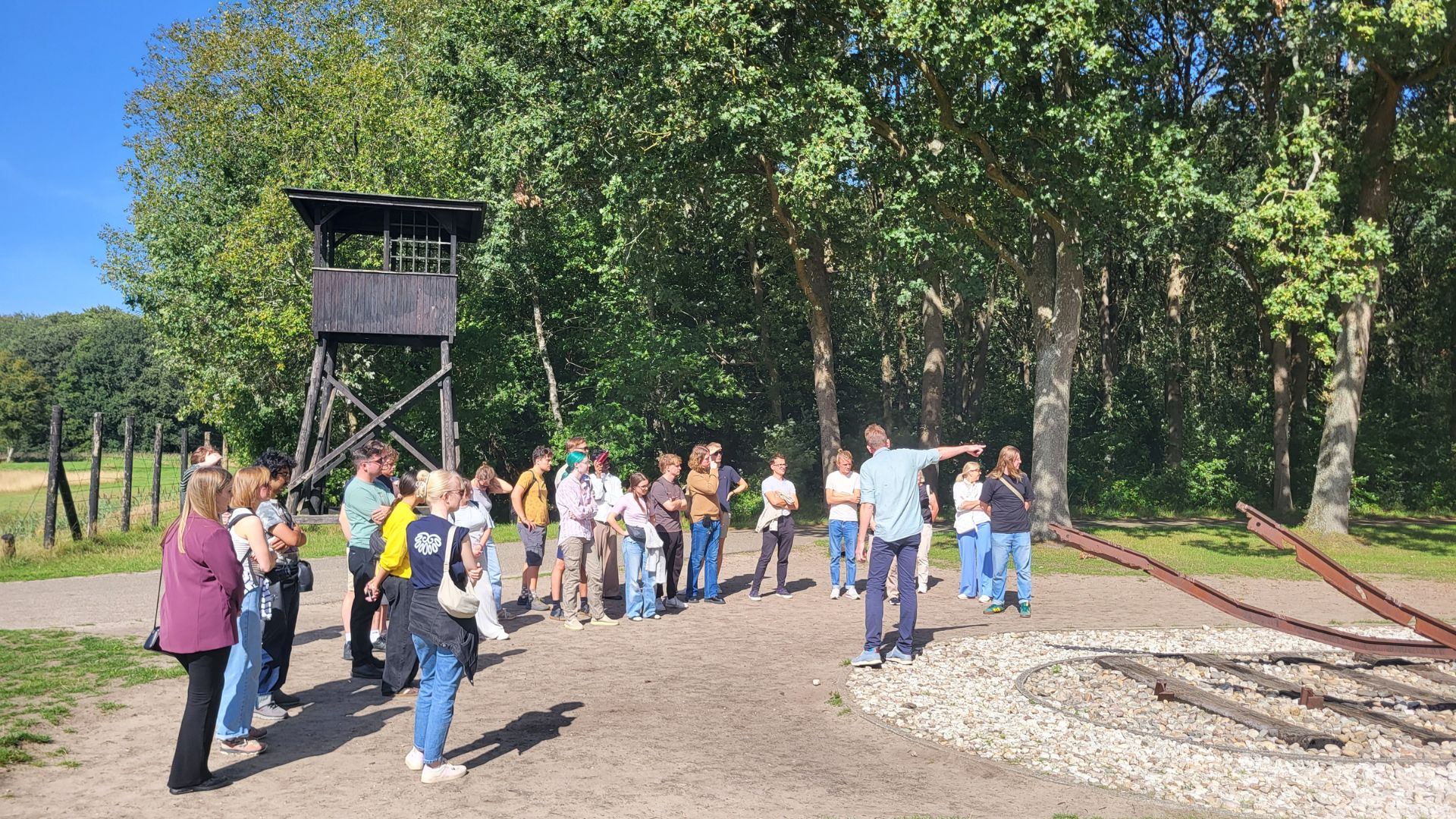
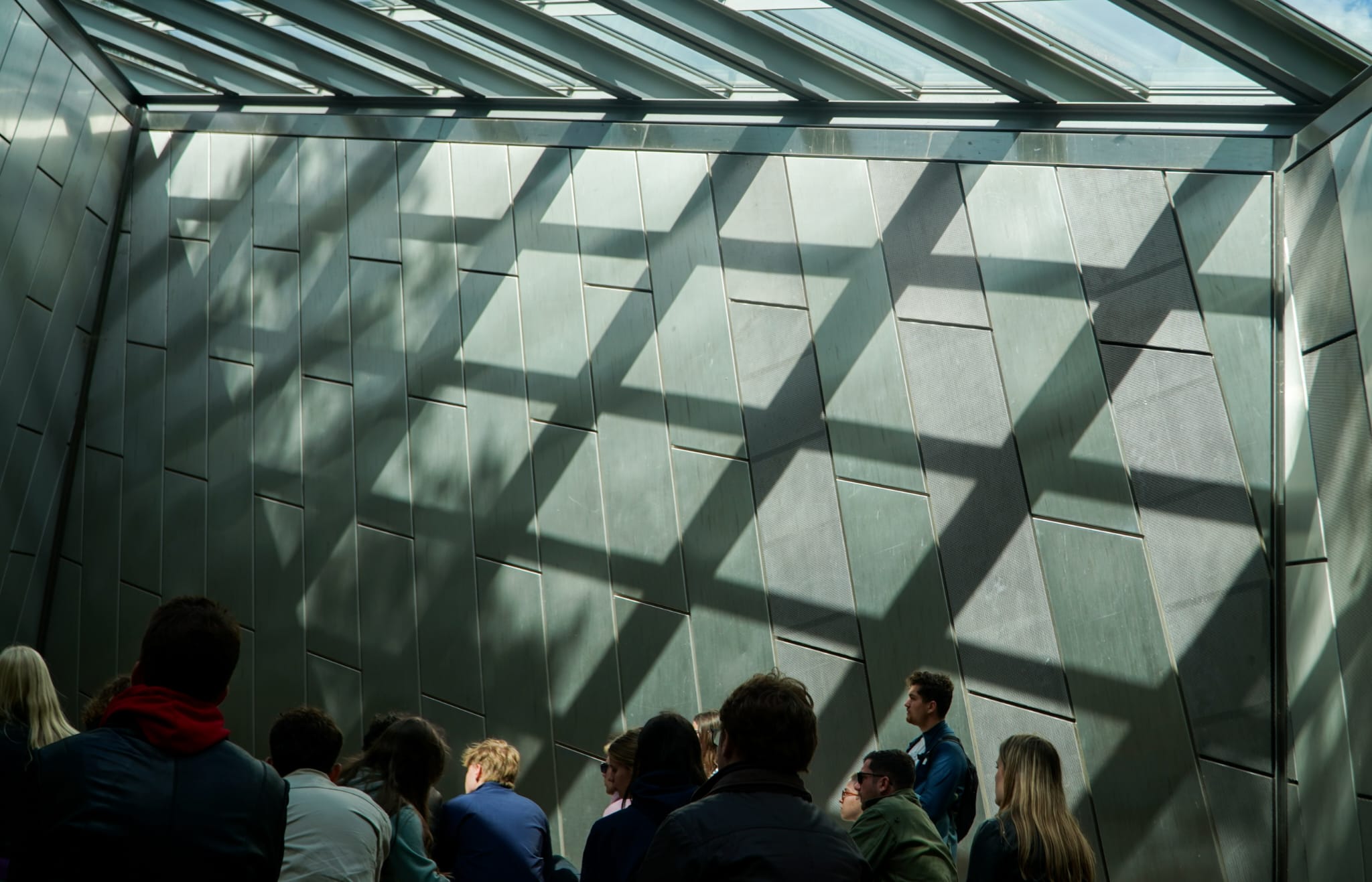
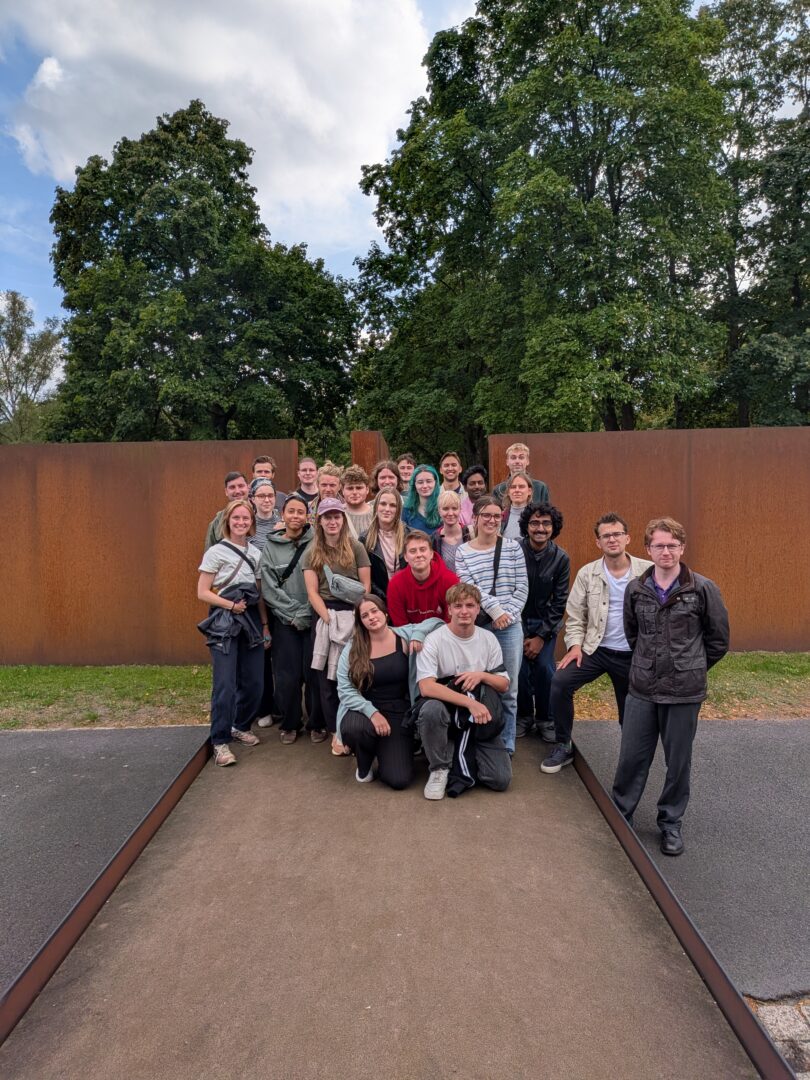
This September marks the return of LRE Youth’s activities, with the “From Westerbork to Bergen Belsen” youth exchange taking place from 7 to 10 September. This 4-day journey brought together 23 young people from Spain, France, Belgium, the Netherlands, the United Kingdom, Italy, Czechia, Poland and Germany to visit key remembrance sites that commemorate National Socialist transit and concentration camps in the north of the Netherlands and Germany. 

The group followed an itinerary that traced the stories of persecution and deportation of hundreds of thousands of Jews, Sinti, Roma, forced labourers, prisoners of war, resistant fighters and other persecuted groups under the command of Nazi forces within Germany and across occupied territories.  
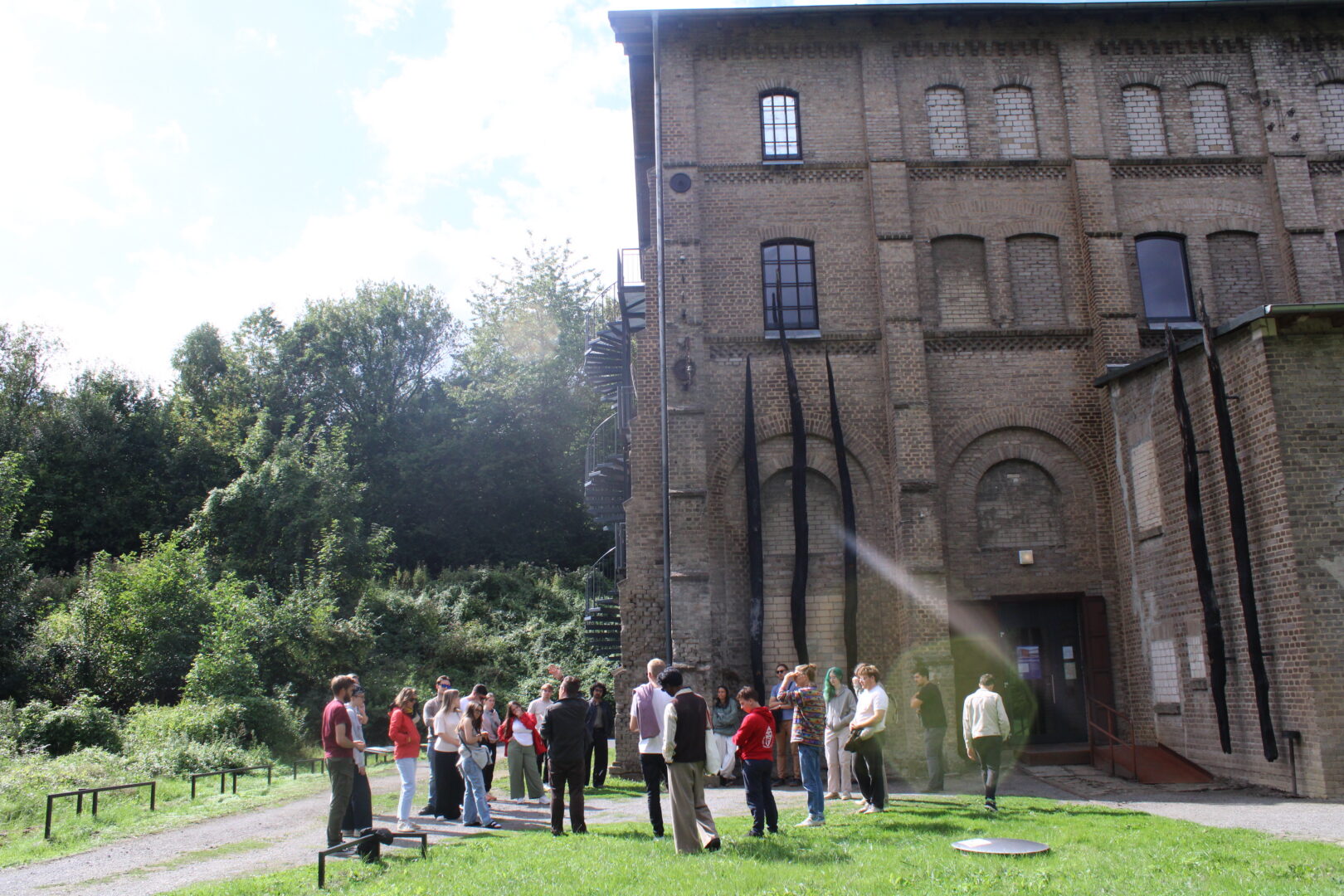
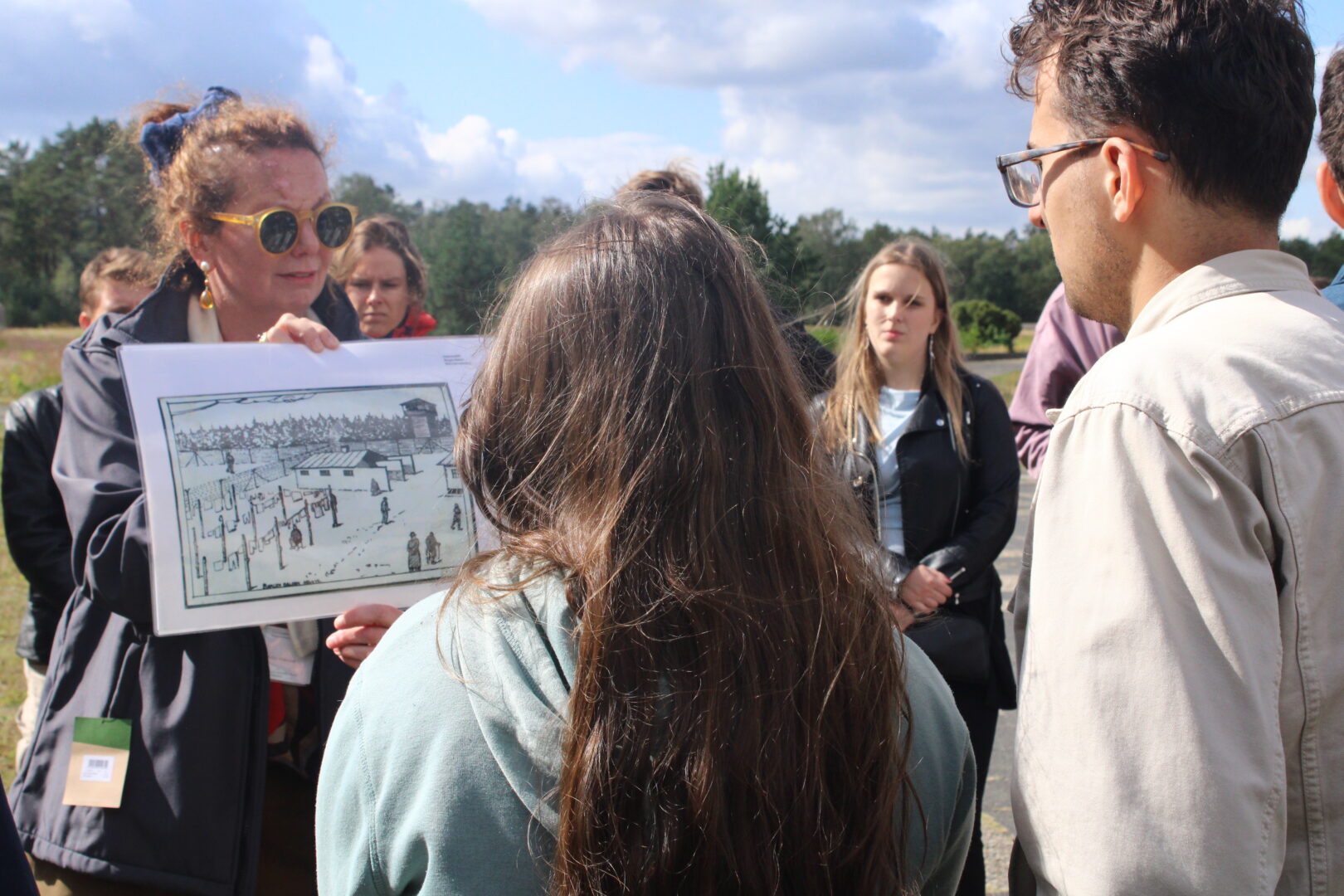
On the first day, the young history enthusiasts visited Kamp Westerbork, a transit camp initially created by the Dutch government in 1939 to welcome Jewish refugees fleeing persecution from Austria and Germany and repurposed by the German occupiers in 1940 for the deportation of Jews, Sinti and Roma. The next day of the youth exchange led to northern Germany to dive into the history of the 15 labour camps in the Emsland region illustrated at the Esterwegen memorial site, an early Nazi concentration camp established in the summer of 1933 for so-called “political protective custody” (German: Schutzhaft) prisoners. The group received a very interesting overview of the Emsland camp system and the harsh living and working conditions there, as well as the acts of resistance, such as the “Moorsoldaten” song. 

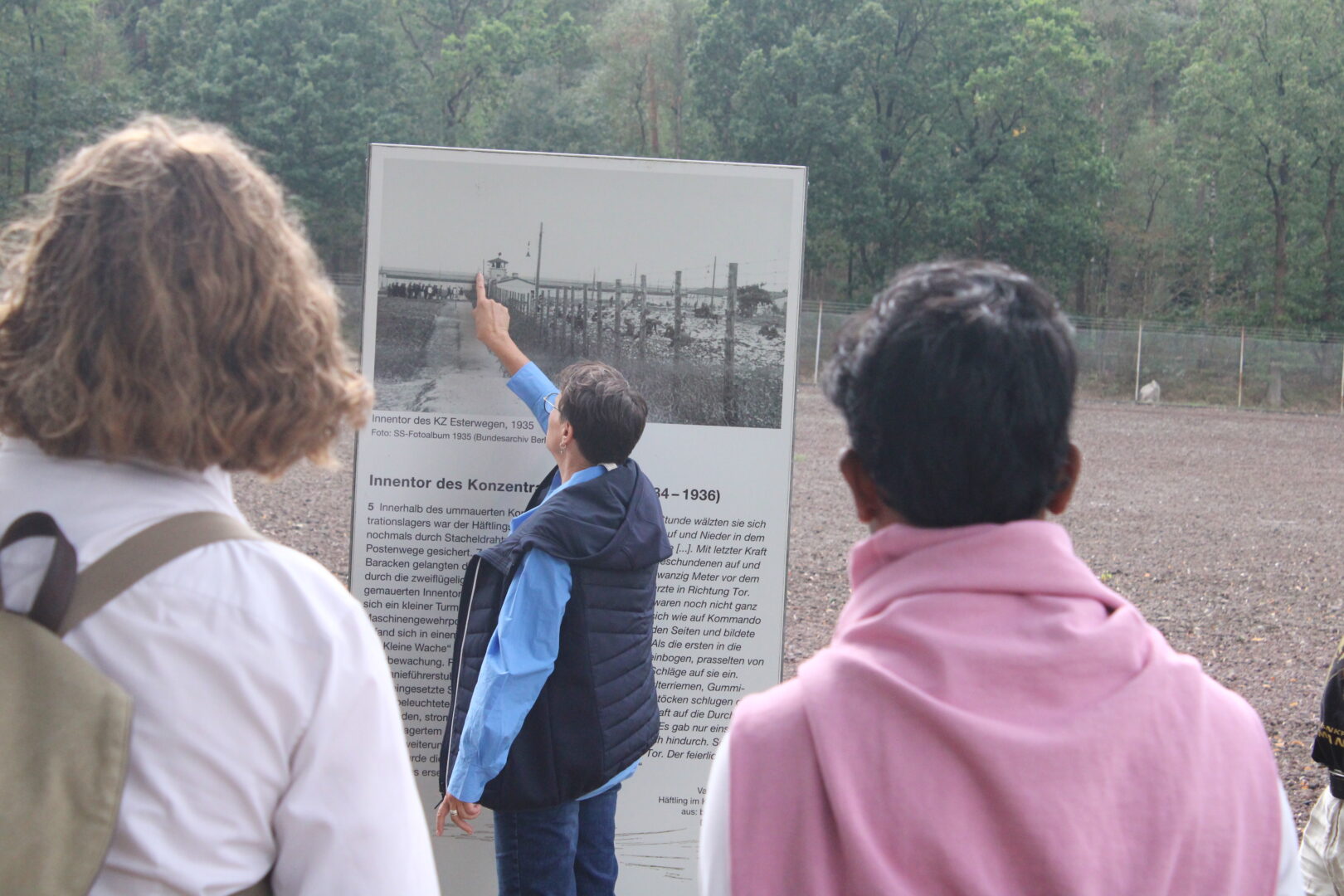
After an overnight stay in Bremen, the group headed to Bergen-Belsen Memorial, originally established as a prisoner of war camp, and becoming a concentration camp in 1943 for so-called “exchange Jews” that the regime planned to exchange for their own prisoners of war later. The visit included a guided tour over the large campgrounds with many mass burial mounds and the insightful documentation centre that is part of the memorial. There, participants did not only learn about what happened in Bergen-Belsen, but also about the camps’ liberation by British troops on 15 April 1945 and the weeks that followed it. 

The week ended in Osnabrück with the visit of the Gestapokeller in the city’s castle, a former prison of the local Gestapo, and the Augustaschacht Memorial, located at the site of the former Ohrbeck “labour education” camp. Together, they address a lesser-known facet of the Nazi regime’s oppression of other European people: the violent action taken against foreign forced labourers by the Gestapo during WWII. 

This youth exchange was a transformative experience for the young participants joining from all over Europe, who not only learned about the atrocities that happened in Nazi camps but also gained an understanding of the rise of the ideology that led to their construction before and during WWII. Despite the cruelty that the victims suffered in these places, the sites’ well-preserved natural environments fostered shared reactions, emotions, and reflection among the visitors. This atmosphere inspired discussions about the importance of remembrance, allowing everyone to return home with many new insights. 

For more information on the LRE Foundation’s youth activities, upcoming events and site visits, follow @lre_youth on Instagram and check out the LRE Youth website. 

The youth exchange was co-funded by the European Union. 

Two years of work on sustainable remembrance: as PPSF comes to a close, we look at what comes next 

What does sustainability mean for a museum, memorial or organisation working with remembrance? And how can the sector become more sustainable without losing sight of its main purpose: preserving and sharing the stories, places and memories that matter? 

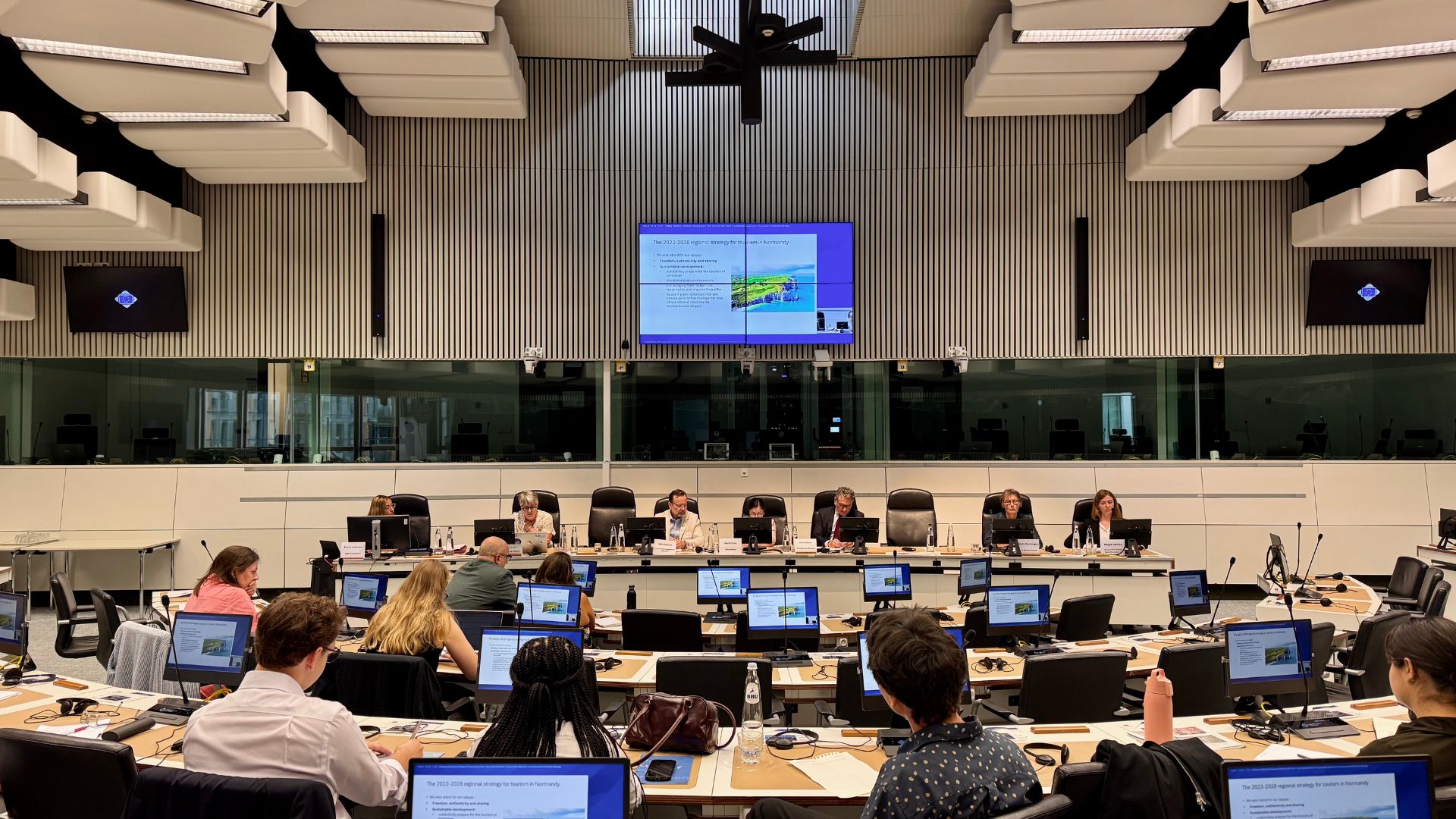
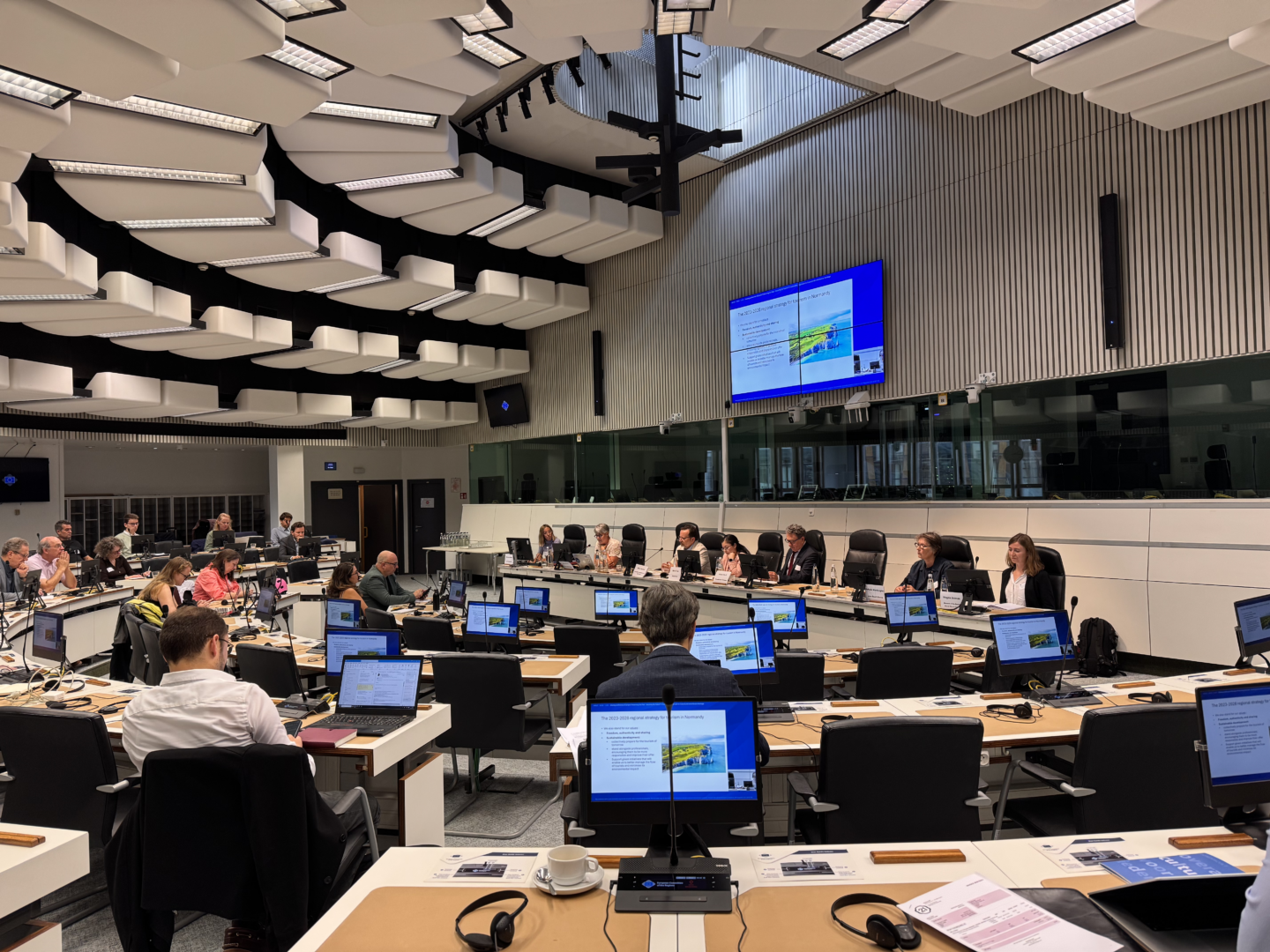
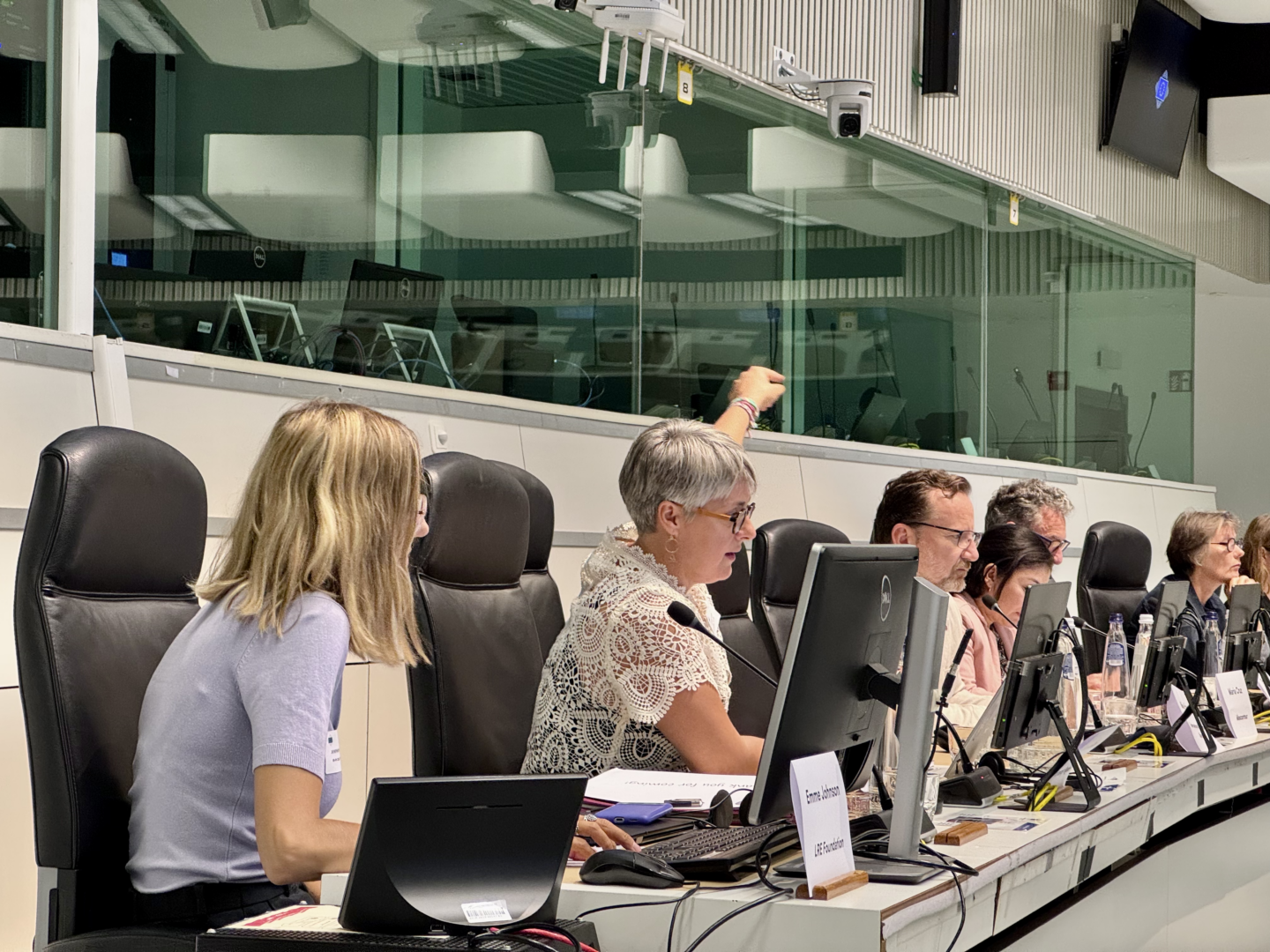
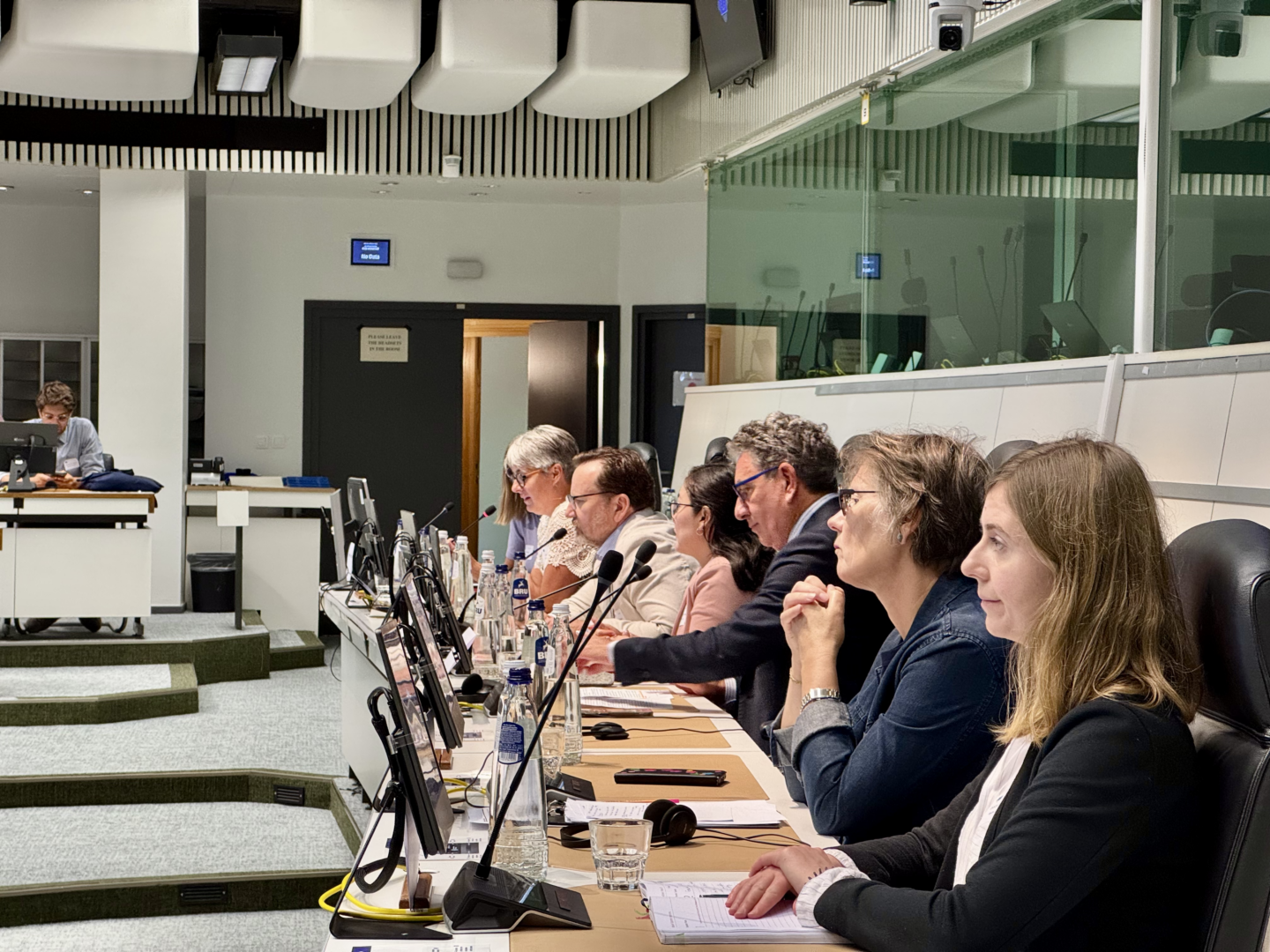
These were some of the questions at the centre of the Preserving the Past, Securing the Future Closing Conference, held on 8 September at the European Committee of the Regions in Brussels. After two years of research, training, study visits, peer learning and mentoring, the conference reflected on the results and impact of the PPSF project and considered what comes next. 

The event brought together heritage and remembrance professionals, tourism stakeholders, policymakers and sustainability experts to see what had been learned through the project and, importantly, discuss how this can be put into practice. 

From research to practical experience 

The morning opened with a welcome from the LRE Foundation and the Normandy Region, followed by a keynote from international development specialist Dr Michael Haynes. 

The presentations then focused on the work carried out during the project. Partners and participants from the LRE Foundation, mascontour, Juno Beach Centre, Fondazione Campus and the Museum of the Second World War in Gdansk shared their main findings, results and experiences from the project. 

Rather than approaching sustainability as a set of abstract principles, the project worked with organisations to understand where their starting points the support actually needed. This reality shaped the capacity building and knowledge exchange activities within the project, giving participants the opportunity to explore sustainability practices relevant to their own organisations and contexts. 

The experiences gathered throughout this process are brought together in the project’s Sustainable Tourism Practices Handbook, which was also presented during the conference. The handbook includes research findings, case studies, practical tools and recommendations for museums, memorials and organisations working in the remembrance and cultural heritage sector. It will be available online from October. 

Connecting practice and policy to foster sustainability  

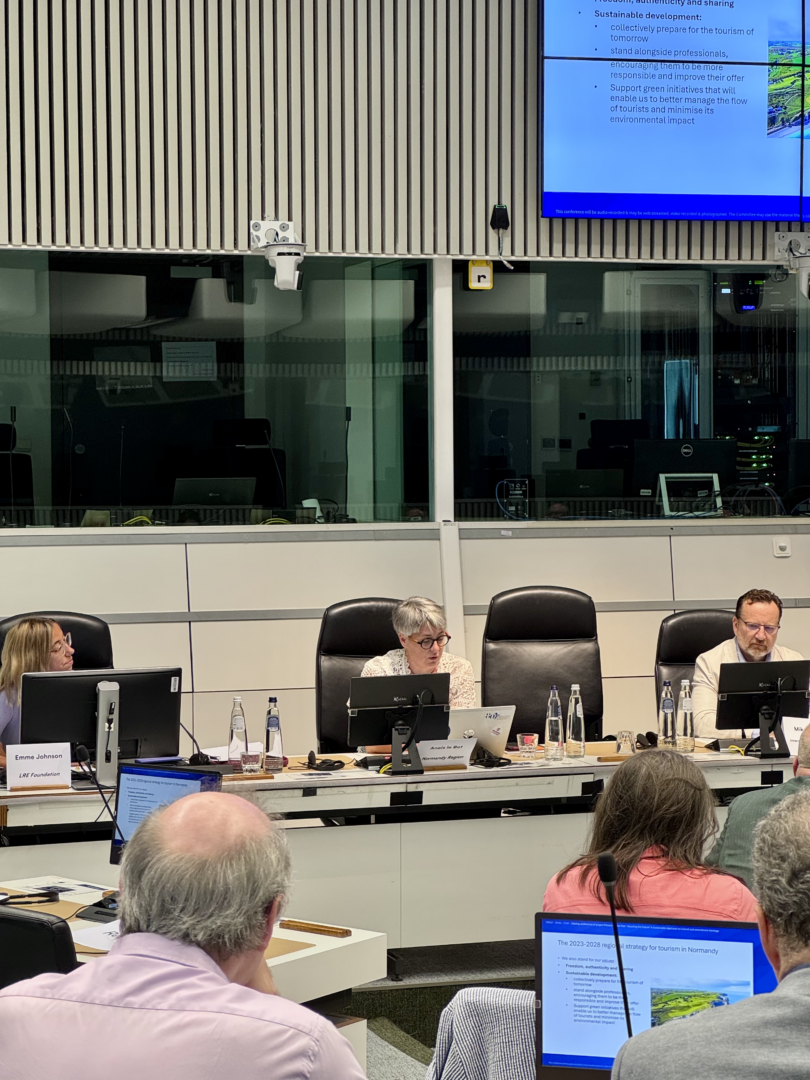
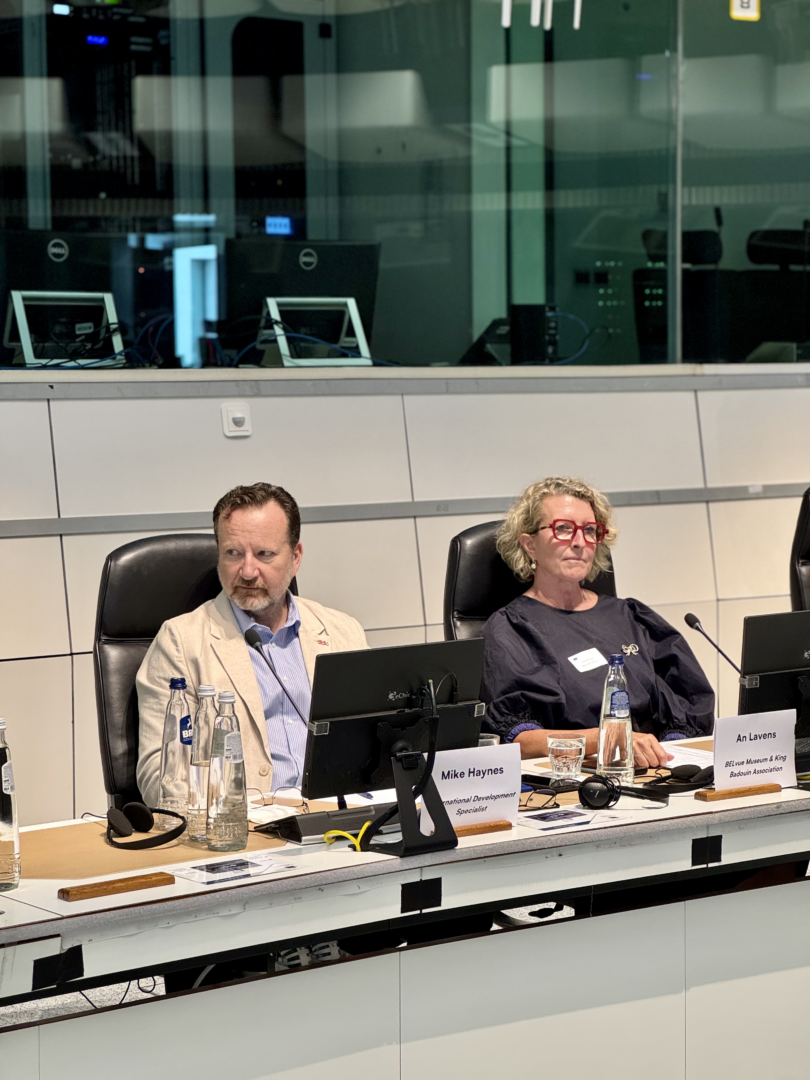
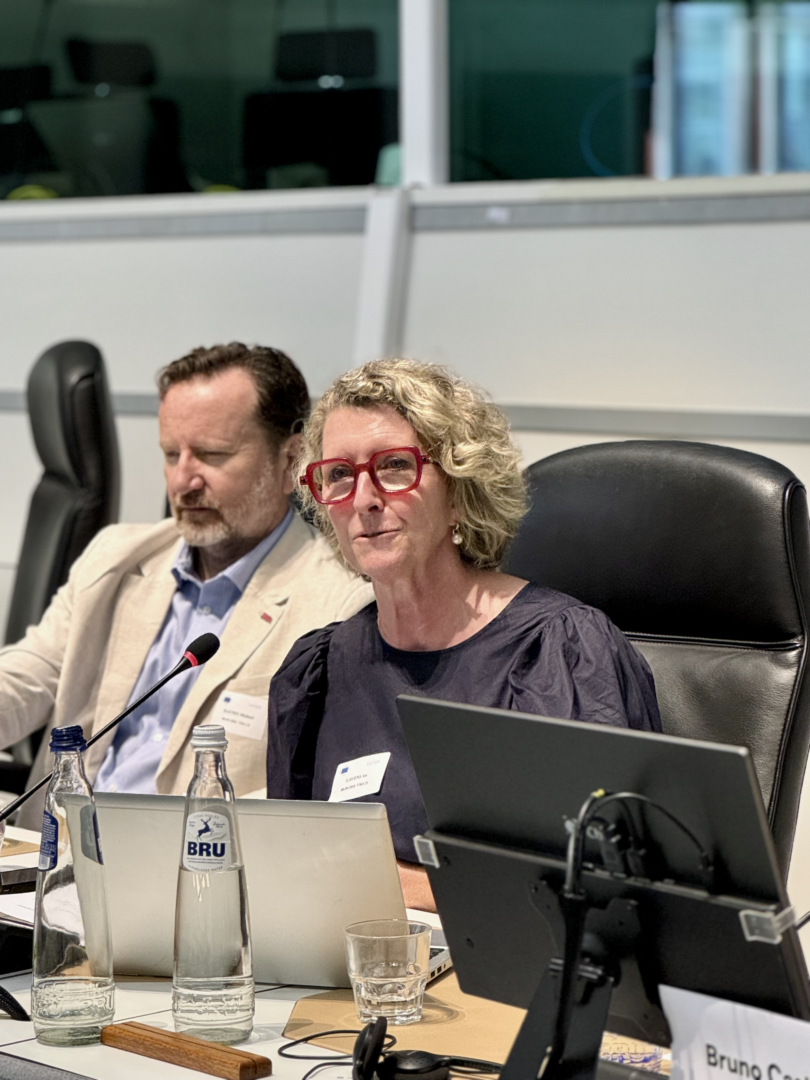
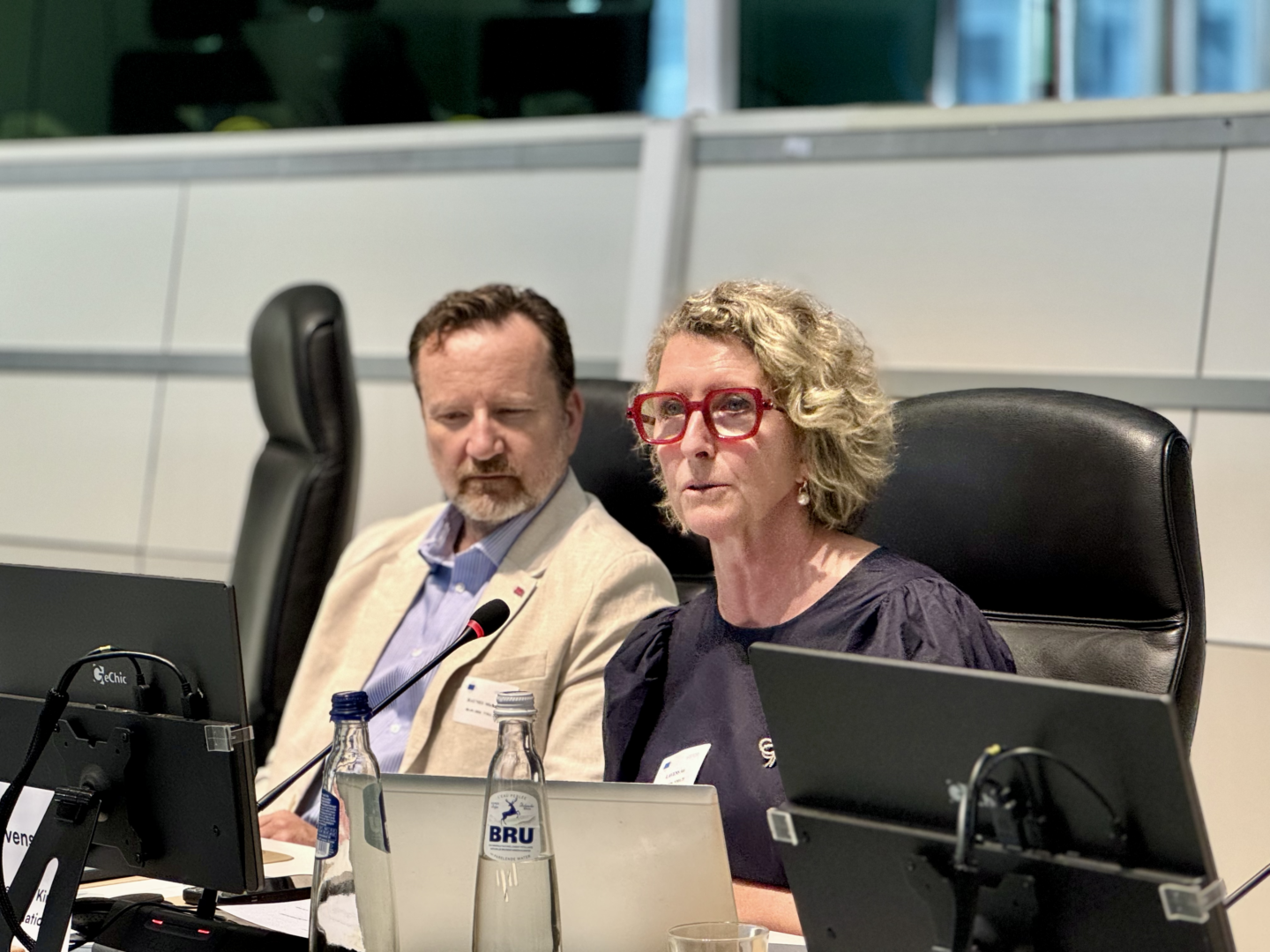
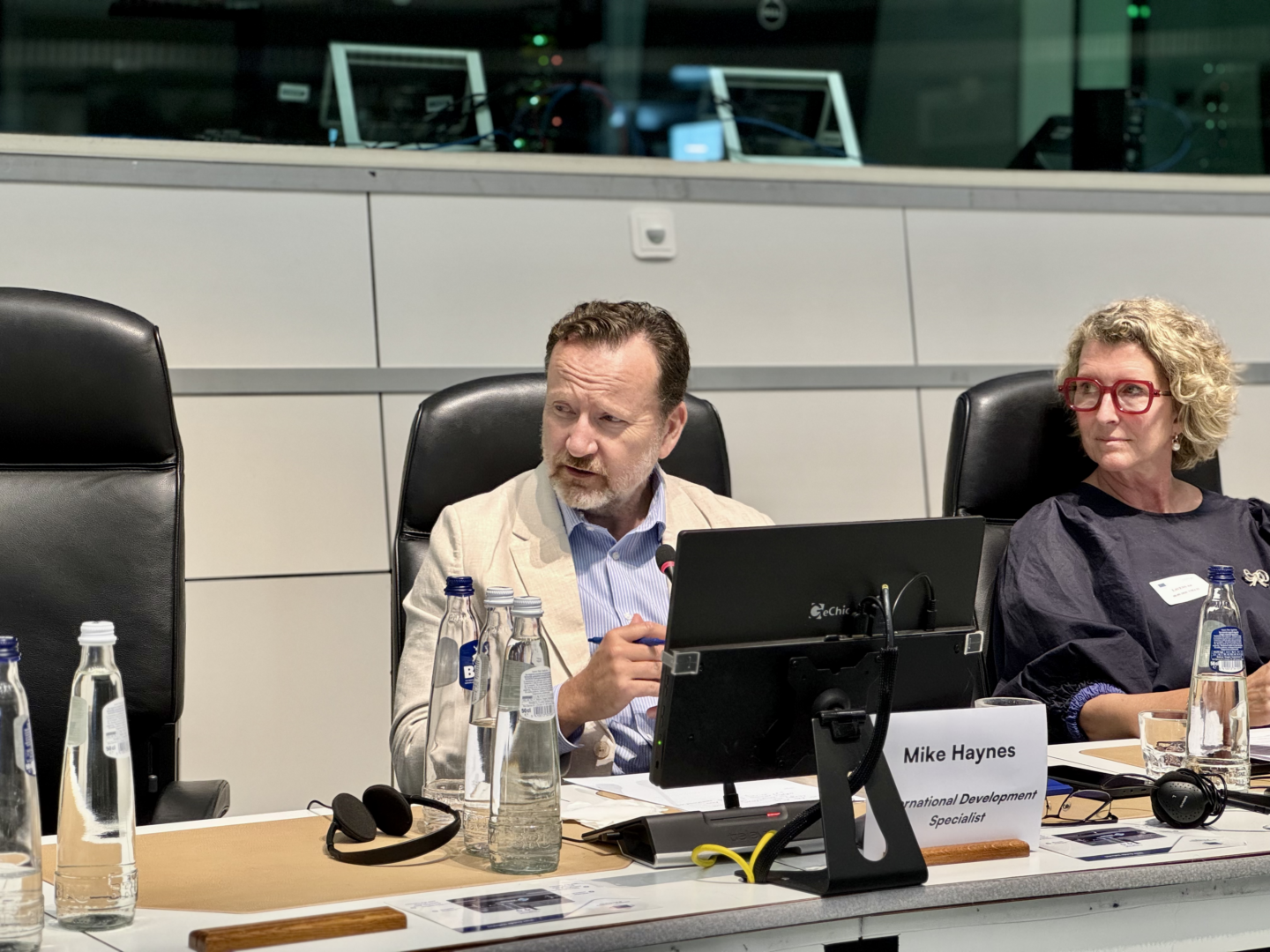
After the coffee break, the discussion moved on to connect the project initiatives with the wider sector. The panel “From Practice to Policy – Lessons Learned & the Path Forward”, was moderated by Matthias Beyer, Managing Director of mascontour, and brought together An Lavens, Director of BELvue Museum and Head of Programme Democracy at the King Baudouin Foundation; Bruno Castro, Policy Officer for Tourism at D.G. MOVE, European Commission; Mike Haynes; and Nathalie Worthington, Director of the Juno Beach Centre. 

The conversation explored both the opportunities and difficulties involved in implementing sustainable practices. A key question was how experiences from individual organisations and pilot activities can be translated into approaches that work across different contexts, and how practical experience from the heritage sector can feed into future policy. 

This also highlighted one of the strengths of PPSF: bringing people working in different countries and different parts of the sector around the same table. Sustainability challenges are not identical everywhere, but exchanging experiences can make it easier to identify solutions to be adapted and tested elsewhere. 

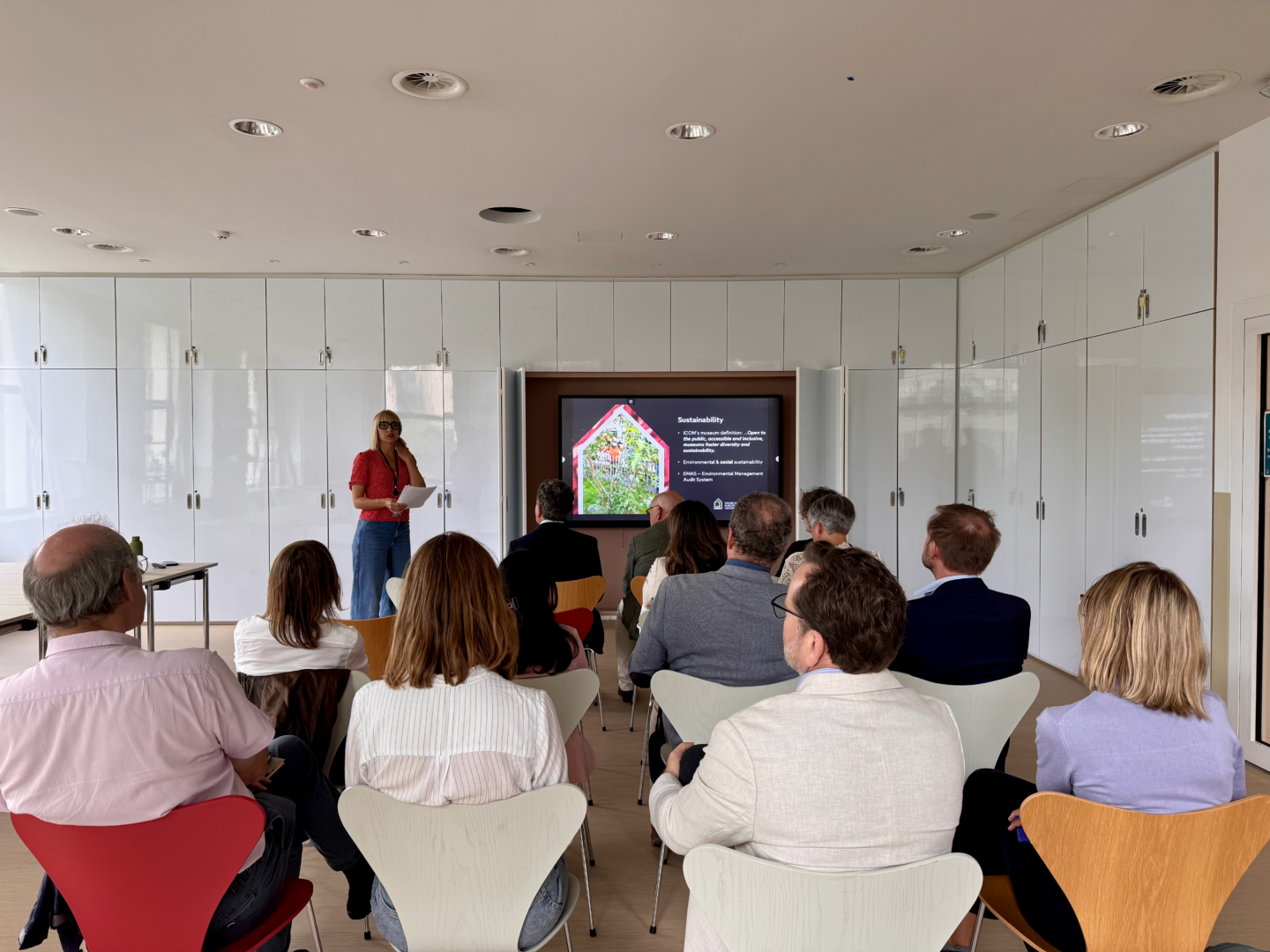
The day concluded at the House of European History, where Anna Troëng, Press Officer and Sustainability Coordinator, presented the museum’s approach to sustainability and its policies. Participants then had the opportunity to explore both the permanent exhibition and the temporary exhibition Postcolonial?, which offered a final reminder of the importance of looking at history through perspectives and experiences that have historically been marginalised. 

Looking at the bigger picture 

The discussions in Brussels brought the connection between sustainability and remembrance into focus. For organisations working with cultural and remembrance heritage, sustainability is about thinking long-term: how can places, stories, collections and memories continue to be cared for and shared, while ensuring that the organisations behind them remain resilient and accessible to future generations? 

For the LRE Foundation, this is also where the next chapter begins. The project has created new connections across the sector and offers practical approaches that can continue to be developed in the coming months and years. 

If you missed the conference in Brussels, the full recording is available here.