
A new Vector of Memory unveiled at the Eusebius Church, Arnhem, to honour the Battle of Arnhem  

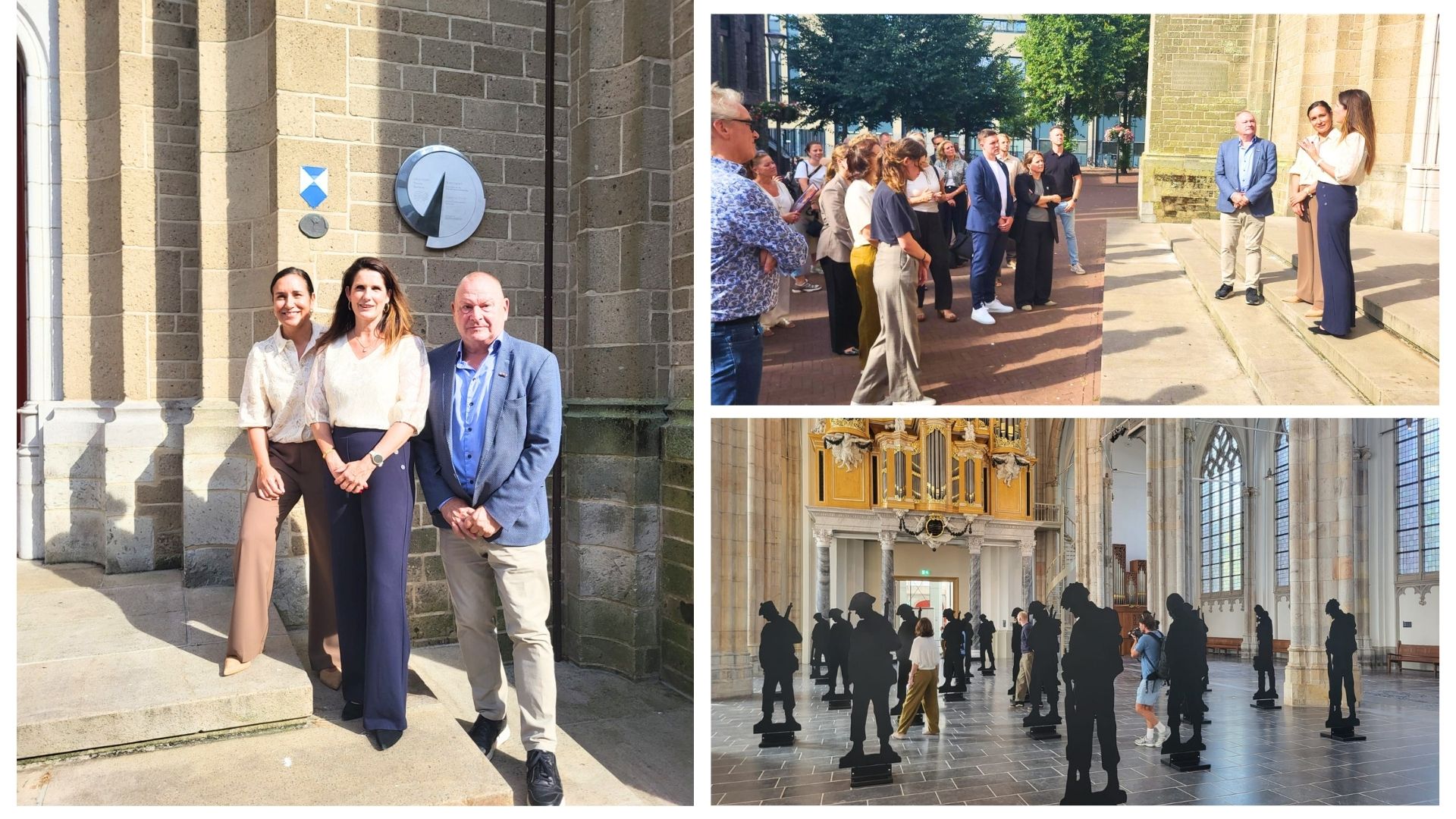
On 27 August, the Eusebius church took center stage in the international commemoration of the Battle of Arnhem, with the unveiling of a Wall Vector of Memory at the entrance of the Eusebius Tower, signifying the church’s inclusion in the Liberation Route Europe. 

The Eusebiuskerk, which bears the scars of the Battle of Arnhem, serves as a powerful reminder of the sacrifices made for freedom. The church, alongside the John Frost Bridge, is one of the most important sites in Arnhem for commemorating the battle. The Wall Vector of Memory will join other markers across the city, within the War in Arnhem themed route on the Liberation Route Europe website.  

The unveiling also marks the beginning of a month-long exhibition, “Standing With Giants – The Battle of Arnhem“, running from 28 August to 27 September 2026. The Eusebiuskerk will host dozens of life-sized, handcrafted steel silhouettes of soldiers, created by volunteers -many of them veterans – as a tribute to those who fought under British command during the battle. 

The unveiling was led by Tjienta van Pelt, Alderman of Arnhem, alongside Dorien van Leeuwen, Interim Manager of the Stichting Eusebiuskerk Arnhem, and Jurriaan de Mol, honorary chair of the LRE Foundation.

Jurriaan de Mol: “These special markers were designed specifically for the Liberation Route Europe as a symbolic series of signposts. As a resident of Arnhem, it gives me great satisfaction that many story locations in the city center are marked with floor, wall, or monumental Cross Roads ‘Vectors of Memory.’ You encounter them not only at the Eusebiuskerk and the John Frost Bridge but also in numerous other places throughout the city.” 
Join the AI remembers Study Day in Caen 

How is artificial intelligence changing the way we work with historical sources, collective remembrance and cultural memory? And what opportunities and challenges does this bring for researchers and cultural heritage professionals? 

These questions will be at the centre of the AI remembers Study Day, taking place on Monday 2 November 2026 at the Université de Caen Normandie in Caen, France. 

Under the title “Practices and challenges in the use of artificial intelligence for history and memory”, the one-day event will bring together researchers, heritage professionals, archivists, museum specialists, educators and students to discuss how AI is already changing the way we study, interpret and share the past. 

Open to researchers and memory heritage professionals 

The AI remembers Study Day is intended for anyone interested in the relationship between artificial intelligence, history and cultural heritage, including: 

  • academics and researchers in History, Computer Science and the Social Sciences and Humanities; 
  • professionals working in museums, memorials and heritage sites; 
  • archivists, librarians and specialists in digital archives and documentary heritage; 
  • museum educators, cultural mediators and exhibition designers; 
  • undergraduate and postgraduate students, including doctoral and postdoctoral researchers. 

The event will take place from 10:00 to 17:00 at the Amphithéâtre de la MRSH, Université de Caen Normandie. 

The main language of exchange will be French, while presentations and presentation materials in English are also welcome. Attendance is free, and registration is recommended. 

See the programme and register for the AI remembers Study Day 

Those interested in presenting their research, a professional experience or an innovative methodology related to the use of AI for history and memory are warmly invited to contact the organising committee.

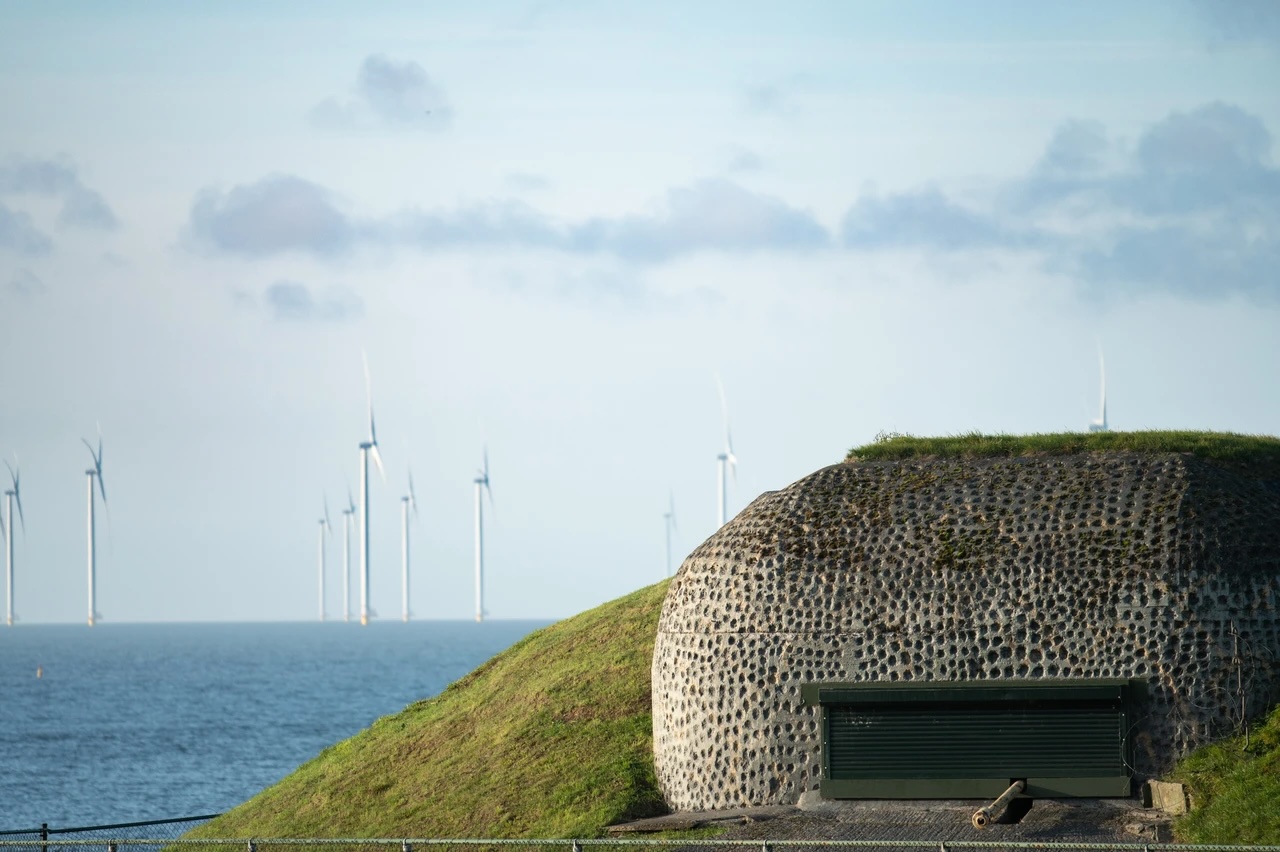
Kazemattenmuseum Kornwerderzand joins the LRE Foundation network 

We are pleased to welcome Kazemattenmuseum Kornwerderzand as a new member of the LRE Foundation network. The museum joins a growing community of organisations, including museums, memorials, municipalities, regions and other heritage institutions, that work together to preserve and share the stories of the Second World War. 

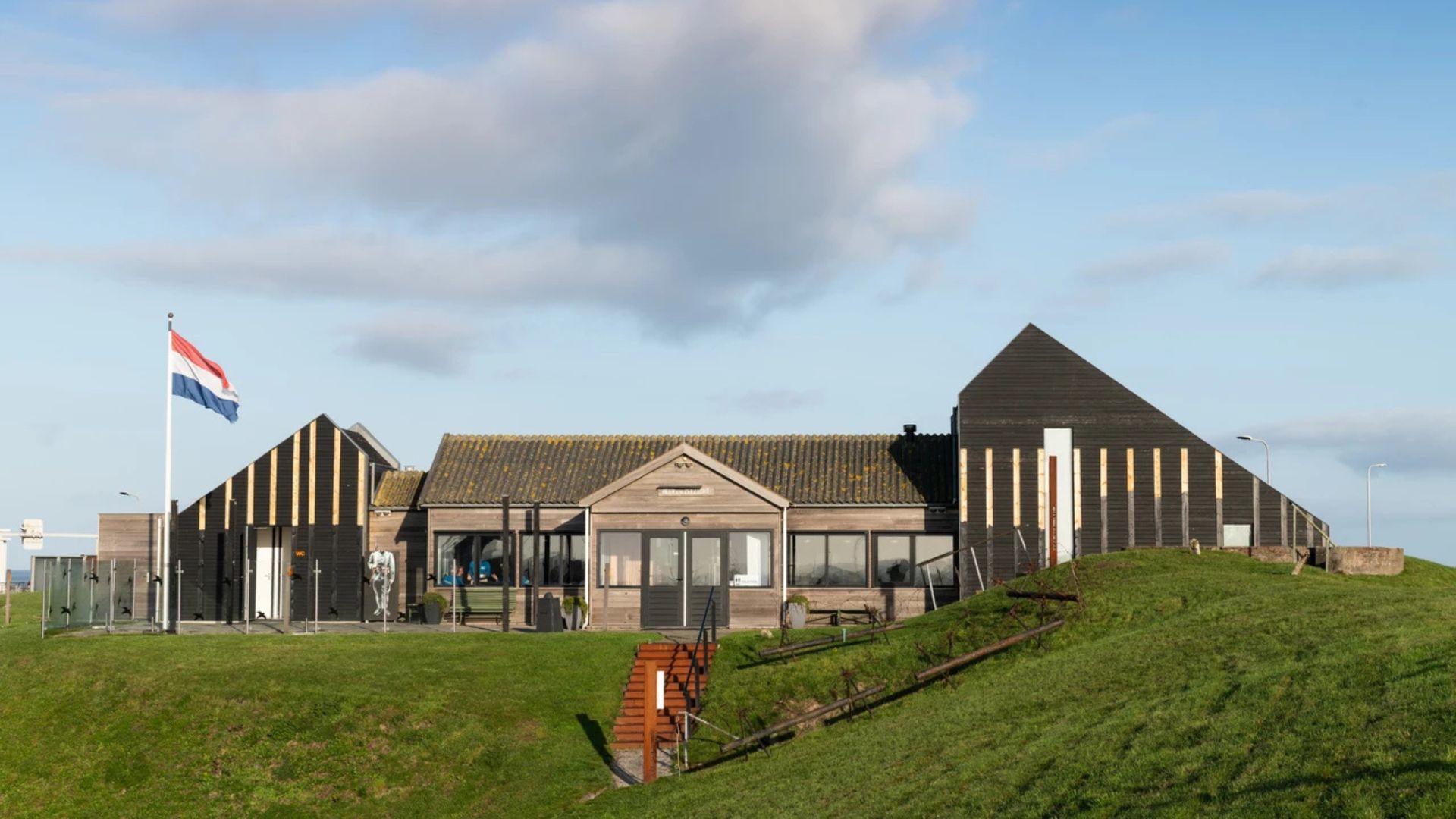
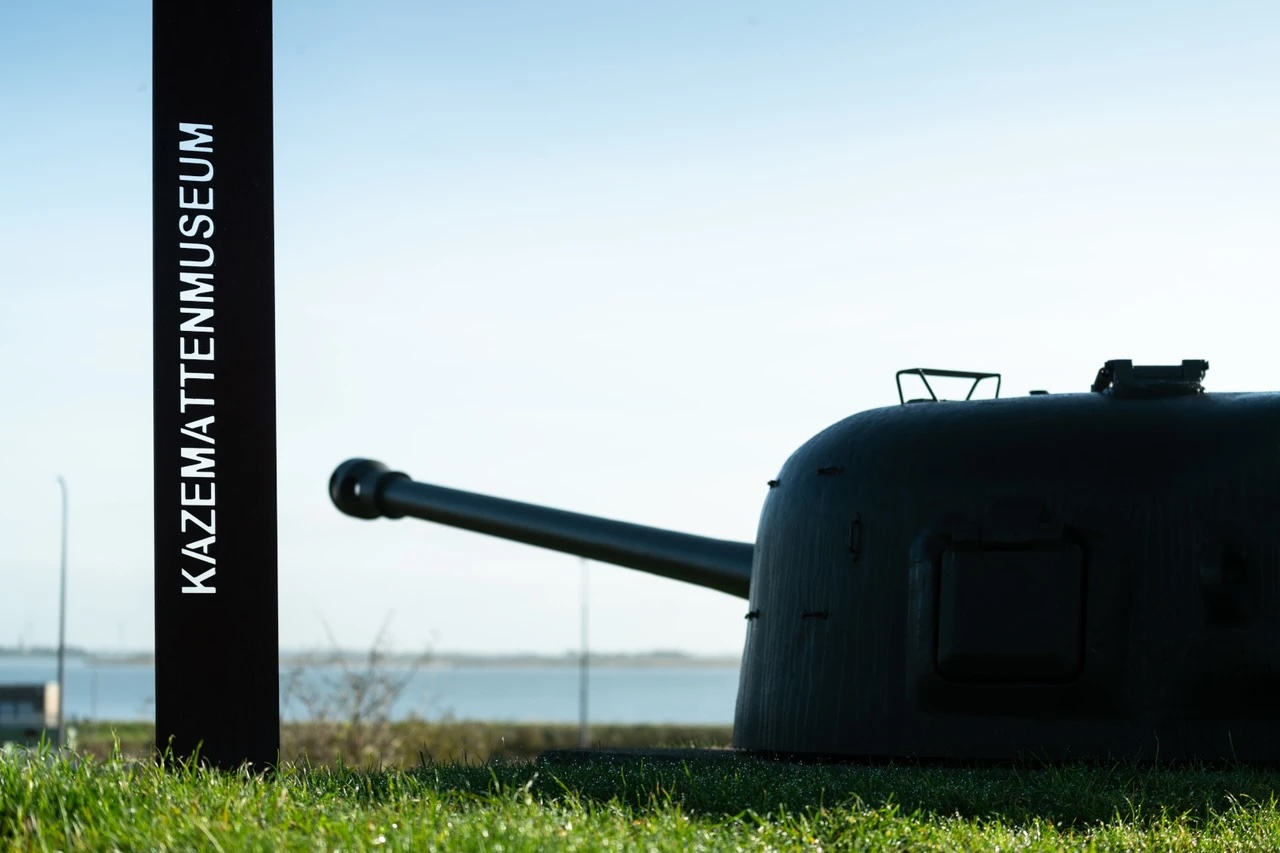
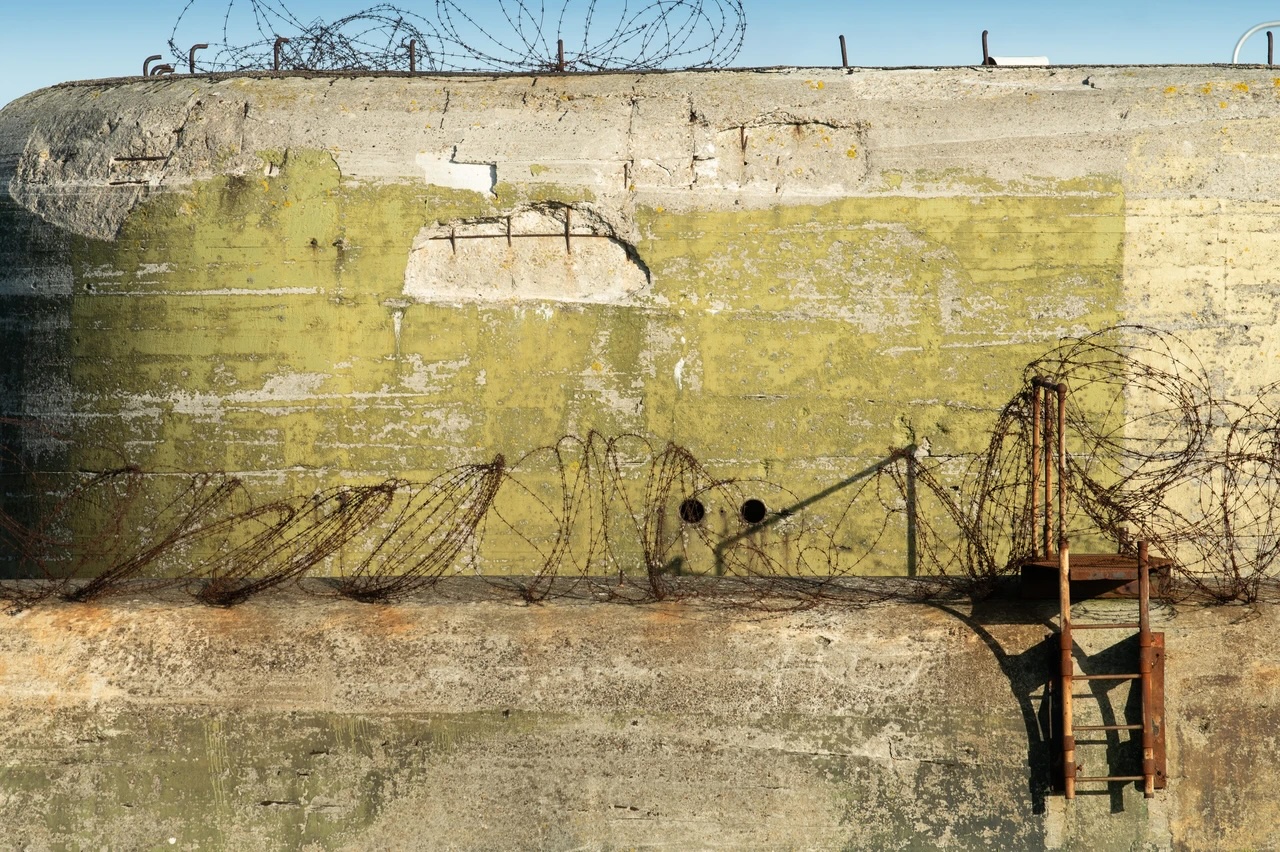
Located on the Afsluitdijk (major dam and causeway) in the Dutch province of Friesland, Kazemattenmuseum Kornwerderzand brings to life the history of this unique location, from the construction of the Afsluitdijk to the Cold War. At the heart of the museum is the story of the Battle of the Afsluitdijk in May 1940, when 225 Dutch soldiers successfully held back the advance of thousands of German troops, making Kornwerderzand the only place in Europe where the German Blitzkrieg was stopped during the opening days of the invasion. Visitors can explore the original casemates, bunkers and military structures, while discovering the role this location played during one of the most important moments in Dutch wartime history. 

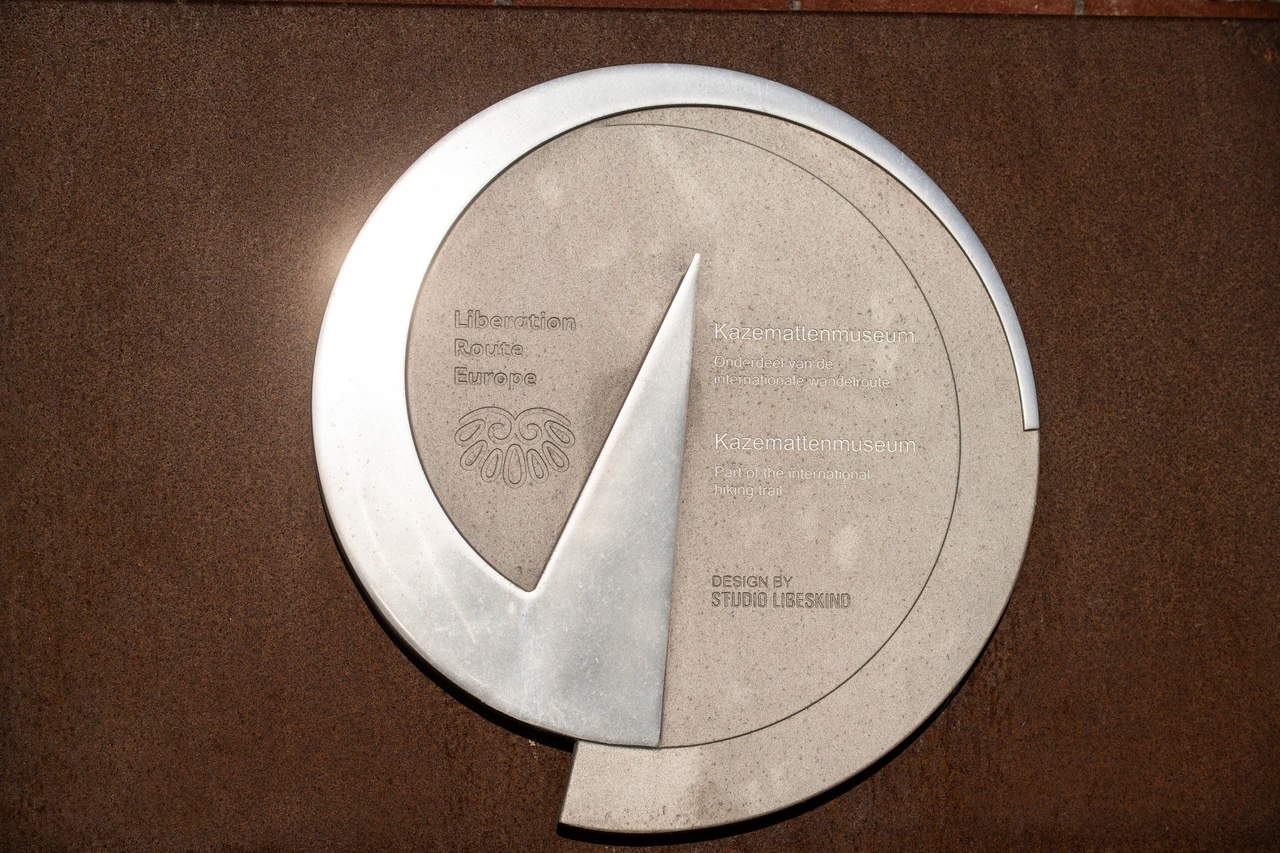
The museum is already part of the Liberation Route Europe, as a point of interest along the Friesland Coastal Atlantic Wall Hike. With its membership in the LRE Foundation network, Kazemattenmuseum Kornwerderzand will become even more connected to an international community dedicated to to preserving and valorising the cultural heritage related to World War II, its memory and meaning. 

“We are proud to officially join the LREF network. The story of the Kazemattenmuseum and the Battle of the Afsluitdijk is an important, yet often overlooked, chapter of the Second World War in the Netherlands. With a Liberation Route Europe Vector already on our site, this partnership is a natural next step. Together, we look forward to bringing this unique story to an even wider international audience,” says Marre Faber-Sloots, Director of Kazemattenmuseum Kornwerderzand. 

We warmly welcome Kazemattenmuseum Kornwerderzand to the LRE Foundation network and look forward to working together to bring the story of the Battle of the Afsluitdijk and the history of this unique site to more visitors from Europe and beyond.