

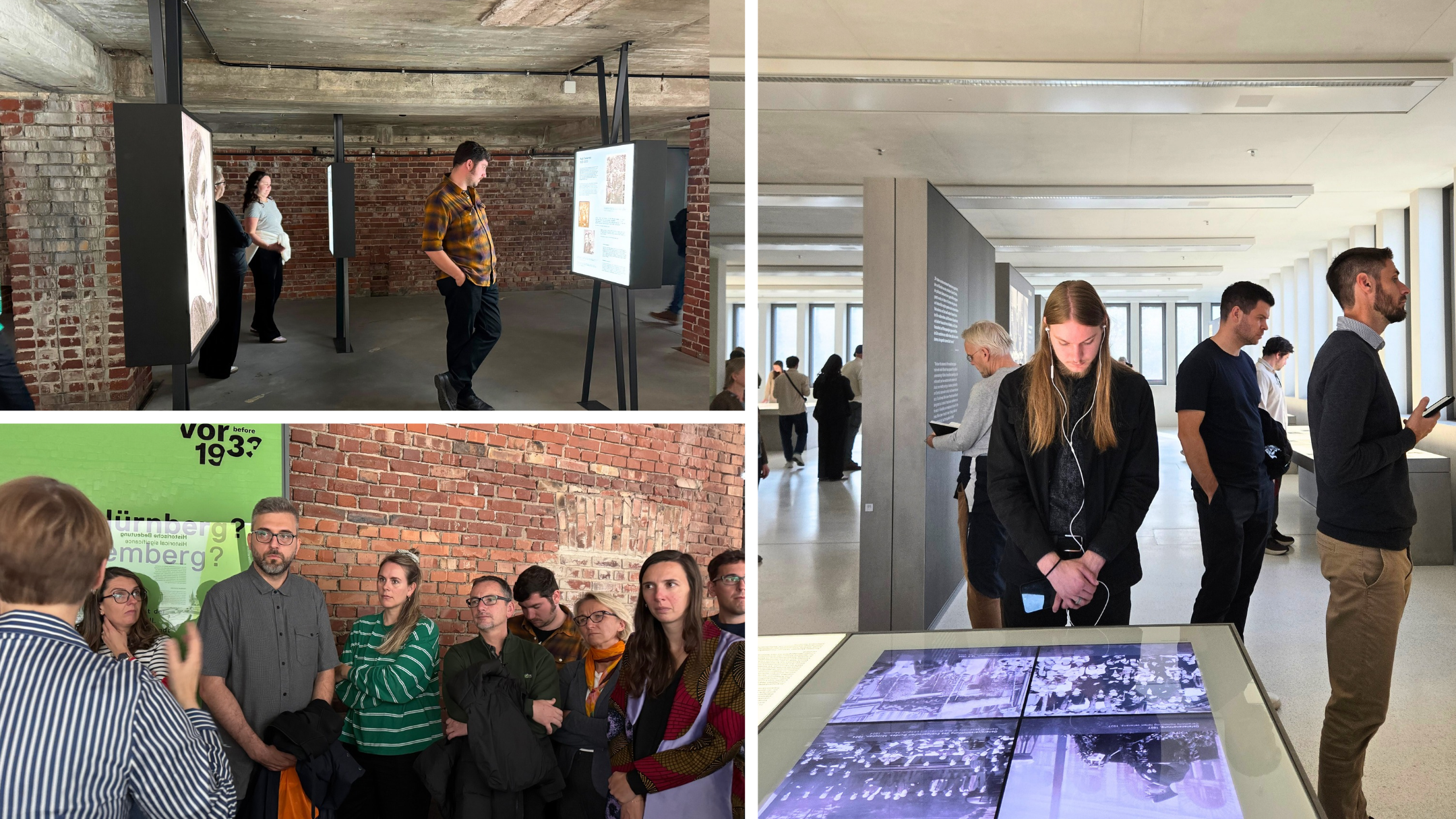
From 12 to 14 October 2026, a large international group of members and partners of the LRE Foundation travelled to Bavaria for a three-day study trip organised as part of the Break the Echo programme. Over three intense days in Dachau, Munich and Nuremberg, participants followed the history of National Socialism from its beginnings to its consequences, and explored how that history is remembered, taught and transmitted today.
A programme with an educational outlook
Break the Echo is a European project tackling Holocaust denial, distortion and antisemitism through education, remembrance and youth engagement. By connecting professionals and young people across Europe, it fosters dialogue, reflection and active remembrance helping keep the lessons of the past alive for future generations.
Break the Echo is a European project tackling Holocaust denial, distortion and antisemitism through education, remembrance and youth engagement. By connecting professionals and young people across Europe, it fosters dialogue, reflection and active remembrance, helping keep the lessons of the past alive for future generations.
The Break the Echo project is funded by the European Union and carried out by a consortium of European institutions: LRE Foundation, Provincia di Lucca (IT), Post Bellum (CZ), ARQ National Psychotrauma Centre (NL), Bridge to Liberation (NL),Les Territoires de la Mémoire (BE) and Grodzka Gate – NN Theatre” Centre (PO).
More information about the project is available on the Break the Echo project page.
From the consequences to the origins: Dachau and Munich
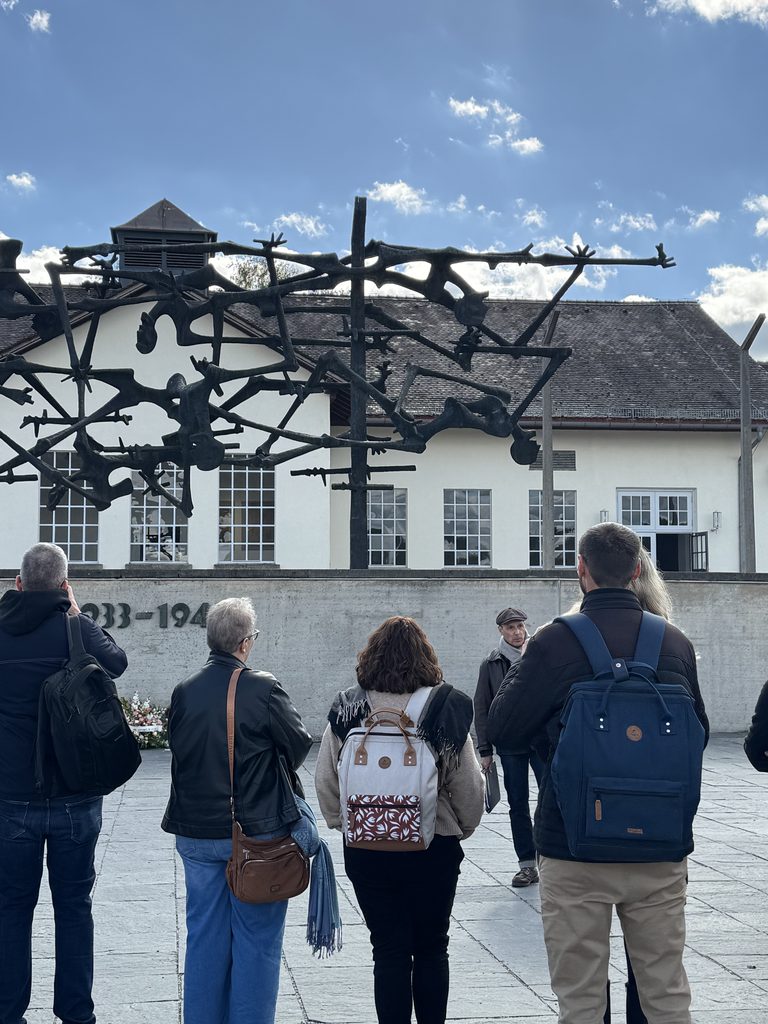
The trip began at the Dachau Concentration Camp Memorial, where participants took a guided tour. Standing on the site of the first Nazi concentration camp gave the group a direct and sobering view of the consequences of the regime’s ideology.
Back in Munich, two parallel guided walking tours, “Jewish Life in Munich and Traces of Persecution”, led the group through the city centre. They showed how Jewish life was woven into the city’s history, and how persecution left its marks on streets and squares that are today part of everyday life.
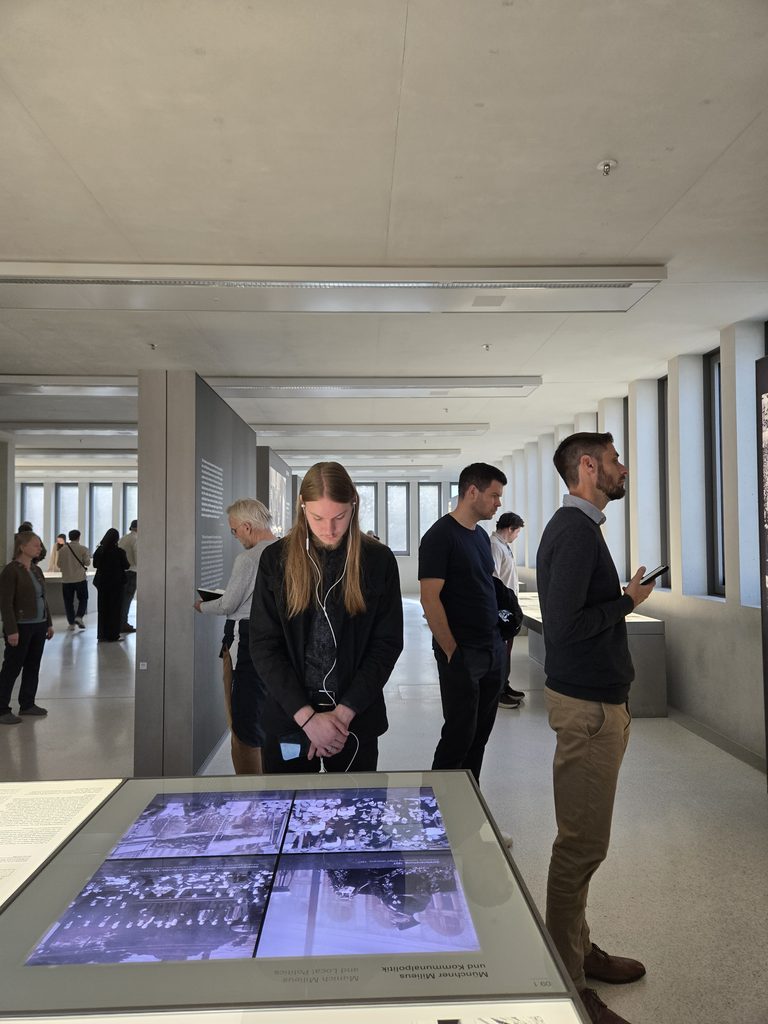
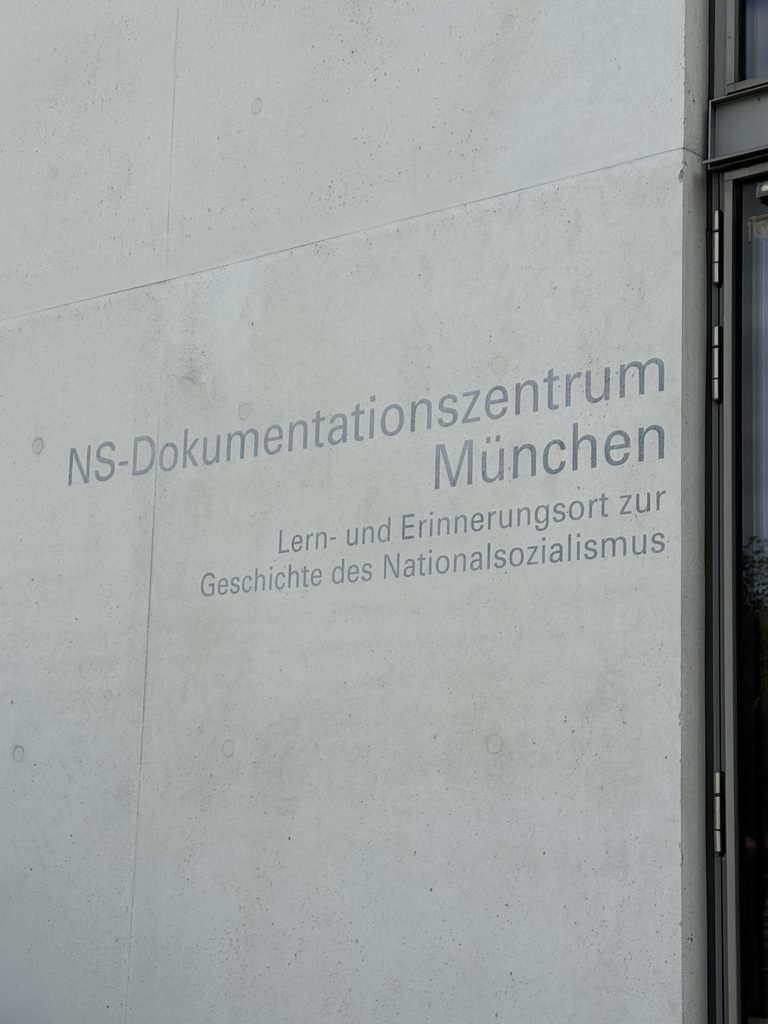
The following day, the visit to NS-Dokumentationszentrum München (nsdoku) added to the picture. Its permanent exhibition explores the origins, structures and consequences of National Socialism up to the present day.
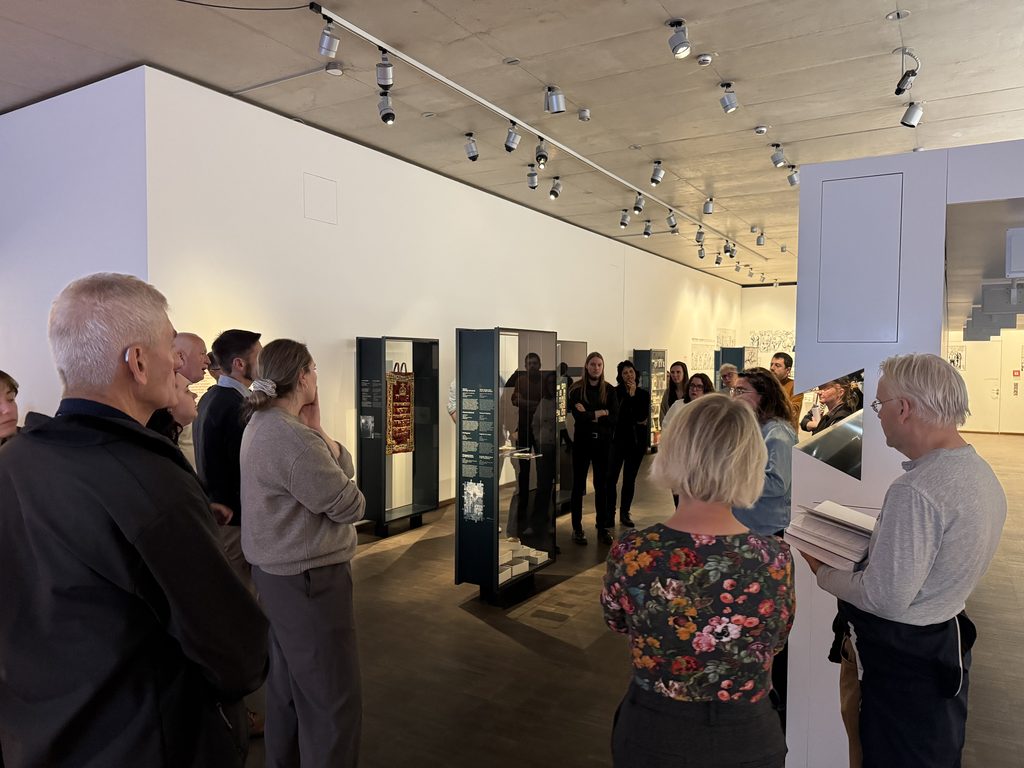
The group then visited the Jewish Museum Munich for a guided tour by one of the museum curators, which gave the participants a clear understanding of the systematic discrimination and persecution Jewish people had suffered in Munich and elsewhere long before WWII. A walk around St.-Jakobs-Platz, with the museum, the Ohel Jakob Synagogue and the Jewish Community Centre, showed Jewish life in Munich as a living, visible presence in the city today.
The expert meeting: memory culture in Bavaria
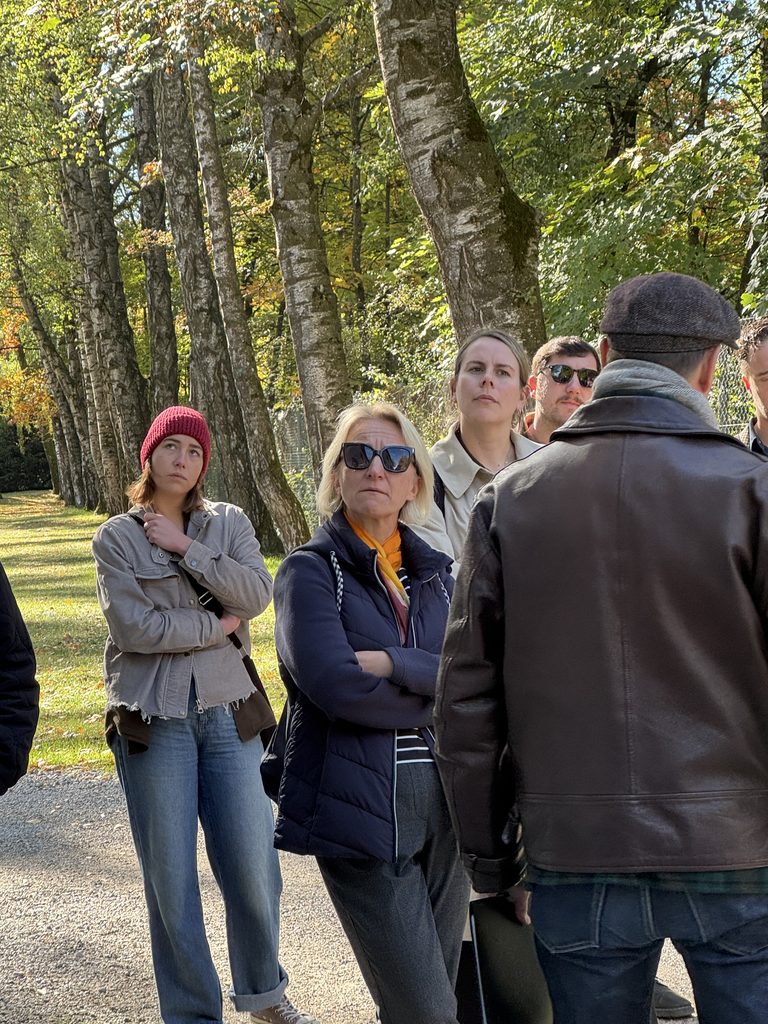
A highlight of the trip was the expert meeting and discussion on Memory Culture in Bavaria: Teaching National Socialism and the Holocaust Today. It gave participants the chance to hear directly from local remembrance workers about the Holocaust memory work carried out in Bavaria. Three experts shared their knowledge and perspectives:
- Manon Haase, who presented the historical site and future memorial at Neuaubing;
- Dr. Alexander Korb, Holocaust historian and former director of the Memorium Nuremberg Trials;
- Dr. Dieter Reithmeier, of the Bavarian teacher association.
Their contributions linked the work done at historical sites, in research and in classrooms, and prompted a lively exchange with participants about the challenges and opportunities of keeping memory alive. Since the group included professionals from seven countries, the discussion also invited comparison with how remembrance work is shaped in each national context.
Nuremberg: the Rally Grounds and the Trials
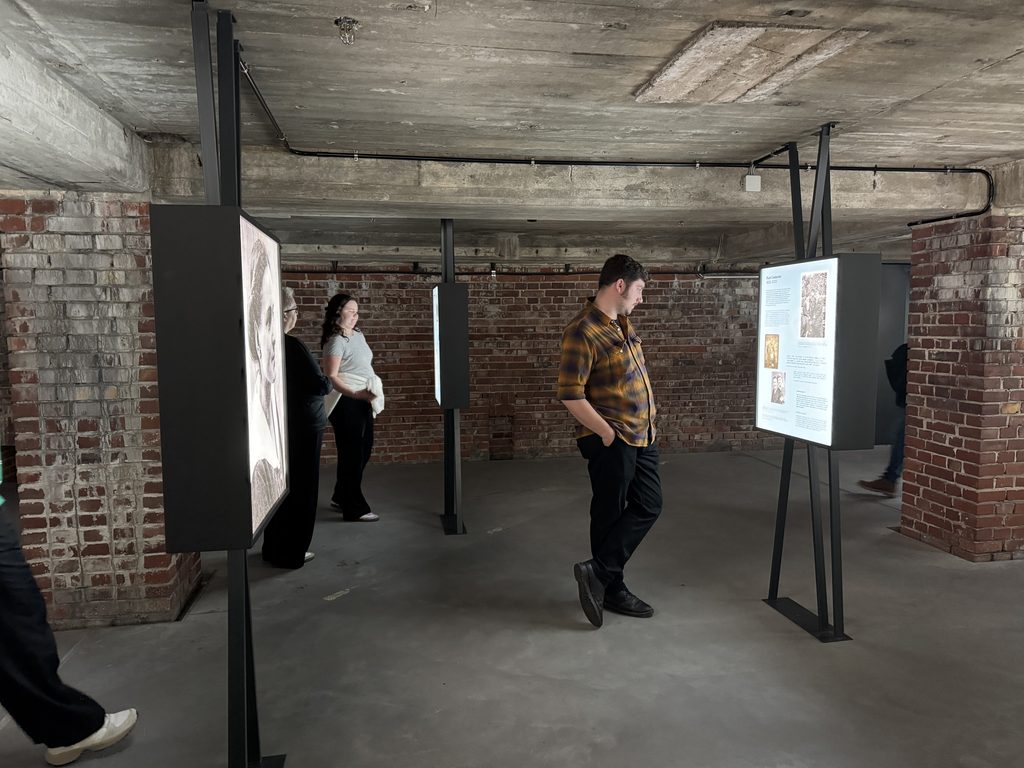
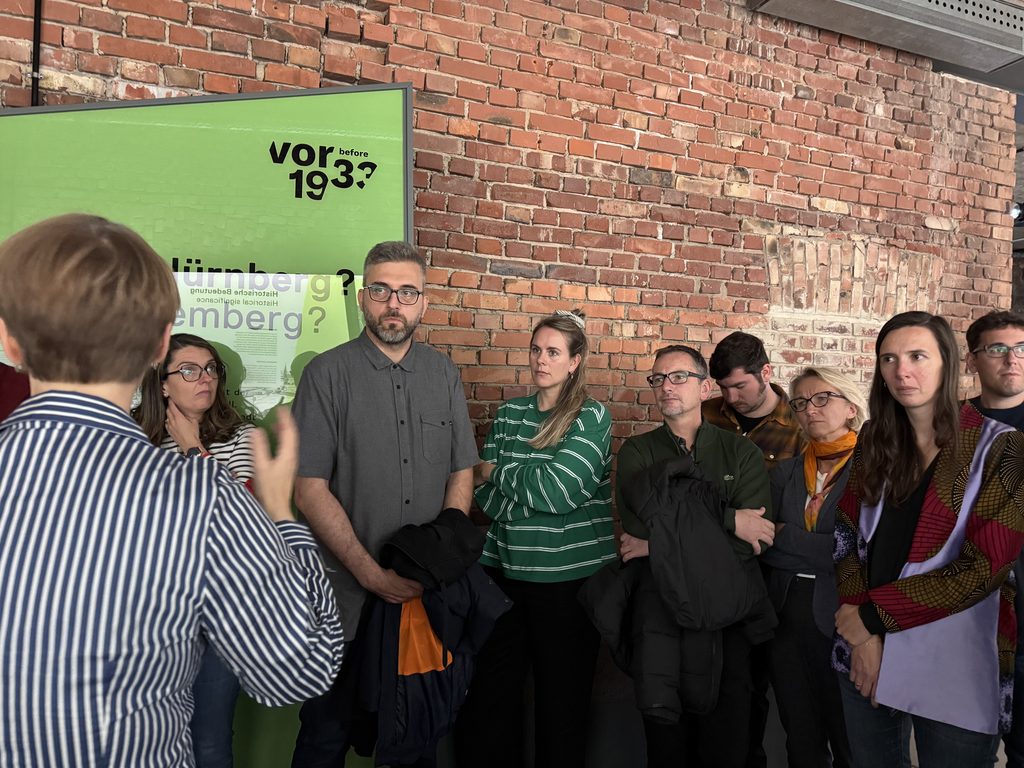
The last day took the group to Nuremberg. Two parallel guided tours of the Documentation Centre Nazi Party Rally Grounds and a visit to its permanent exhibition showed how the regime staged itself and mobilised the masses in the 30s. The programme concluded at the Memorium Nuremberg Trials, where participants explored the history of the post-war trials.
Why such trip matters
For professionals who work with WWII history every day, there is great value in learning together, on site, and across borders. Walking through authentic places, listening to guides, curators and historians, and discussing what they see with colleagues from other countries allows participants to deepen their historical knowledge while also discovering how different institutions present and educate about local history and exchange the methods, questions and experience with peers from France, Czechia, the Netherlands, Italy, Germany, Belgium and Poland. Finally, an important aspect of this trip as reflected in the LRE Foundation’s network work is providing the possibility for international institutions to meet and strengthen the partnership that make joint remembrance projects possible.
What is next for Break the Echo
The study trip is one step in a programme that continues with new opportunities for learning and exchange:
- Training modules for Holocaust education, made available by ARQ National Psychotrauma Centre and Post Bellum in February.
- Youth events organised in the Netherlands, Italy, Belgium and Czechia.
- A workshop for professionals, organised by Ośrodek Brama Grodzka (Grodzka Gate) in Lublin, Poland, next year.
Follow the project page for updates on these activities.
The LRE Foundation warmly thanks everyone who contributed to the programme, and looks forward to carrying out the insights and connections of this study trip into the next steps of Break the Echo.


“Funded by the European Union. Views and opinions expressed are however those of the author(s) only and do not necessarily reflect those of the European Union or the European Education and Culture Executive Agency (EACEA). Neither the European Union nor EACEA can be held responsible for them.”

