Break the Echo: Start of a new project on Holocaust education 

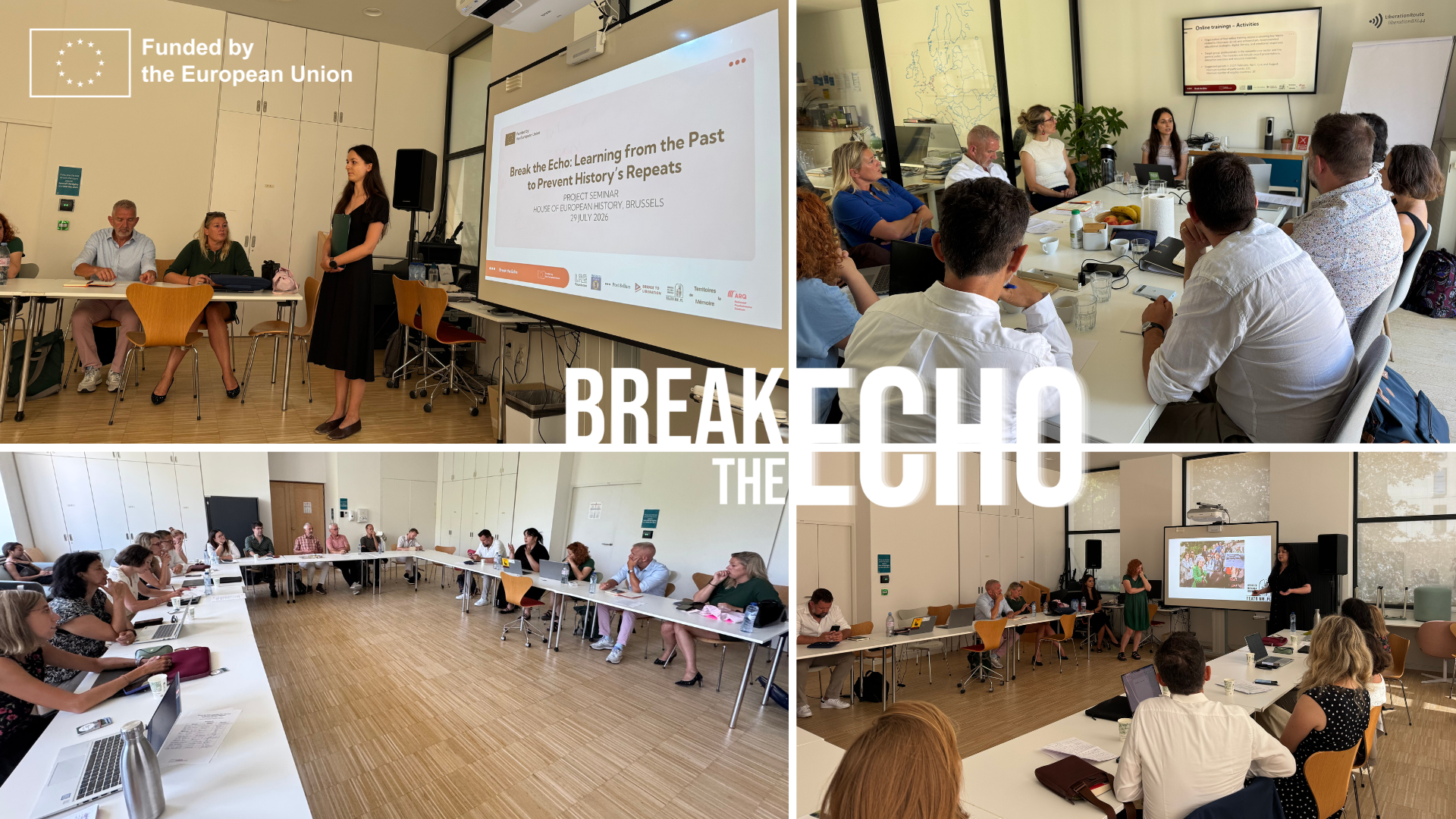
This week, the LRE Foundation and its partners came together in Brussels to kick off the new EU-funded project “Break the Echo”. A seminar at the House of European History the following day served as the opening event for the public programme of the project. 

The Break the Echo project is dedicated to addressing Holocaust denial, distortion and antisemitism through education, remembrance, study trips, workshops for professionals and events for young people. Inspired by the idea of breaking the echoes of hatred, intolerance, and historical manipulation, the project promotes learning from the past to shape a better future. 

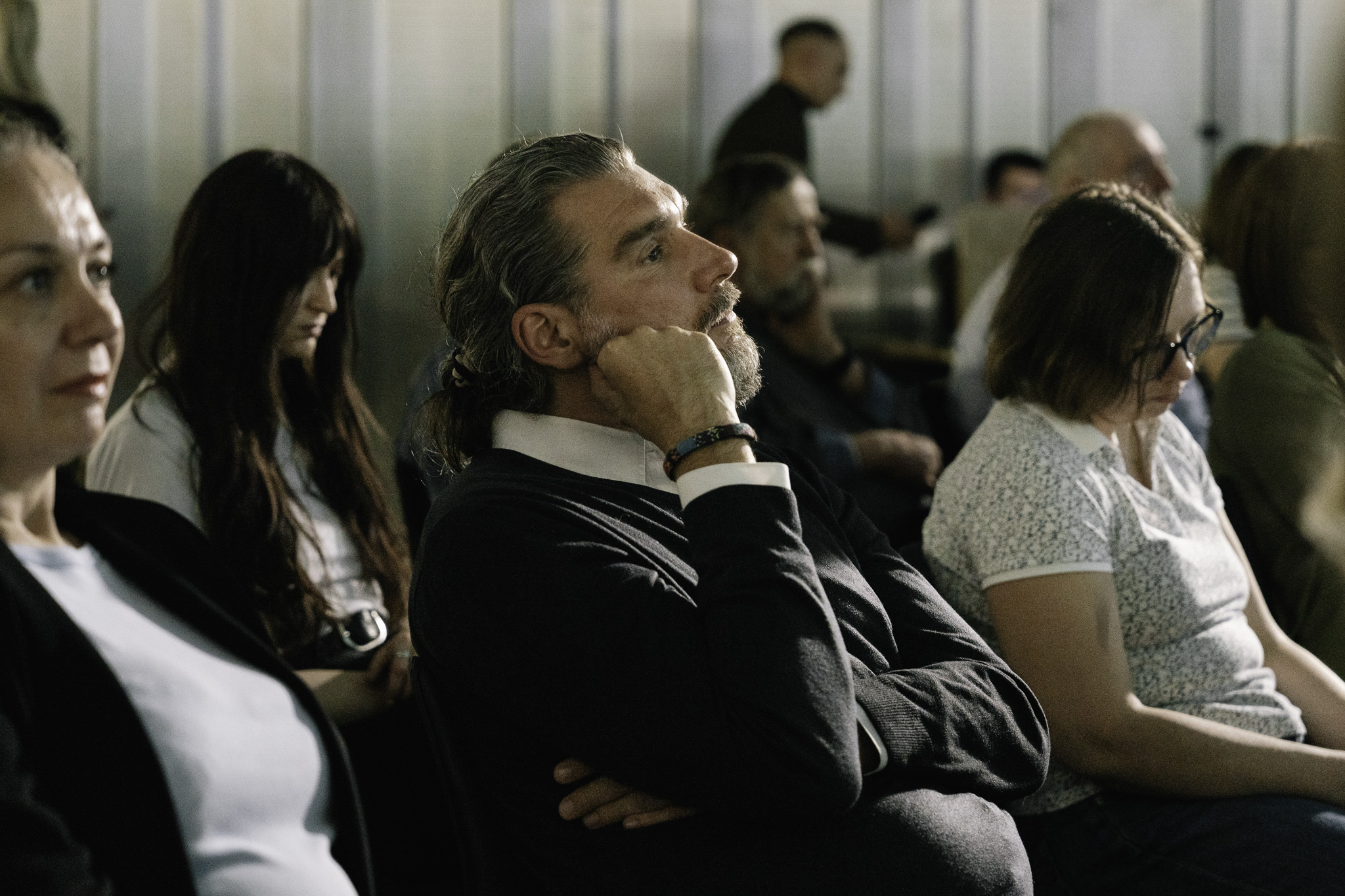
During the seminar on Wednesday, 29 July 2026 at the House of European History in Brussels, project partners, invited expert speakers and guests exchanged best practices in Holocaust education and teaching about Jewish cultural heritage. Museums, memorial sites, research centres and cultural institutions from all over Europe shared their experiences and lessons learned from innovative educational approaches.

The Grodzka Gate – NN Theatre Centre held a workshop on combining local history, personal stories and artistic expression around the Jewish heritage of the city of Lublin in Poland. Véronique Bastian from the Centre Cinqfontaines (Luxembourg) shared her experience in using Holocaust education as a tool to address antisemitism and promote human rights in the organisations’ work with young people. Gabriel Deham from the Jewish Museum of Belgium (Brussels) explained the challenges the museum faces when carrying out its youth educational activities and how the promotion of Jewish heritage and culture can encourage reflection on diversity and inclusion. 

“Every Name Matters” is an innovative recording project initiated by Kazerne Dossin (Mechelen), encouraging individual visitors and school groups to record the names of over 25,000 Jewish and Sinti and Roma deportees from Belgium. Larysa Michalska from the Upper Silesian Jews House of Remembrance/Max Kopfstein Association joined the seminar online and presented the context of the Jewish presence in the region and how cooperation with local communities can support the preservation and transmission of memory. 

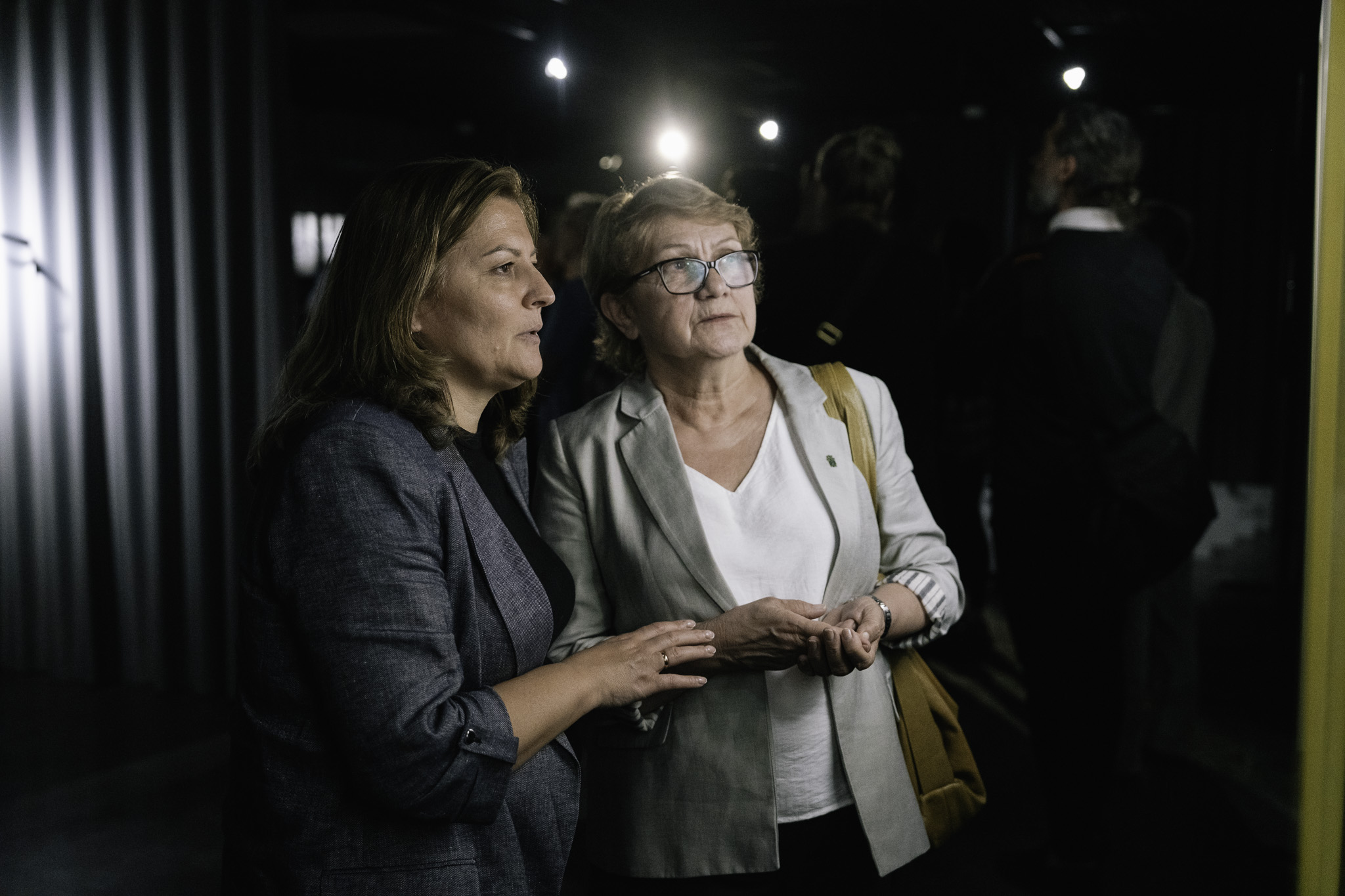
The following discussion provided the opportunity for the group to exchange their personal experiences in working in the field of Holocaust education and how to deal with current challenges and trauma. Many participants noted that stereotypes are still widespread in society and that education on the topic is still very much necessary. After the official programme of the day, seminar participants had the opportunity to visit the House of European History’s permanent collection and the temporary “Postcolonial?” exhibition. 

“I am pleased that the Break the Echo project has started with such a meaningful and inspiring meeting. It was a great opportunity to bring together partners and experts, exchange experiences and build a strong foundation for our future cooperation. I believe that our project will bring many valuable results and help us create impactful educational activities that contribute to promoting Holocaust remembrance and addressing contemporary challenges.” says Project Manager Joanna Roman. 

Break the Echo is a project funded by the European Commission’s CERV programme. Consortium members are the LRE Foundation (coordinator), partners Post Bellum (Czechia), Bridge to Liberation Foundation (Netherlands), Les Territoires de la Mémoire (Belgium), Province of Lucca (Italy), Grodzka Gate – NN Theatre Centre (Poland) and ARQ Nationaal Psychotrauma Centrum (Netherlands) and associated partner Zikaron Basalon. 

Funded by the European Union. Views and opinions expressed are however those of the author(s) only and do not necessarily reflect those of the European Union or European Education and Culture Executive Agency (EACEA). Neither the European Union nor the granting authority can be held responsible for them.   

Five years of cooperation: a conversation with Clothilde Cenier on the LREF and FFRandonnée partnership 

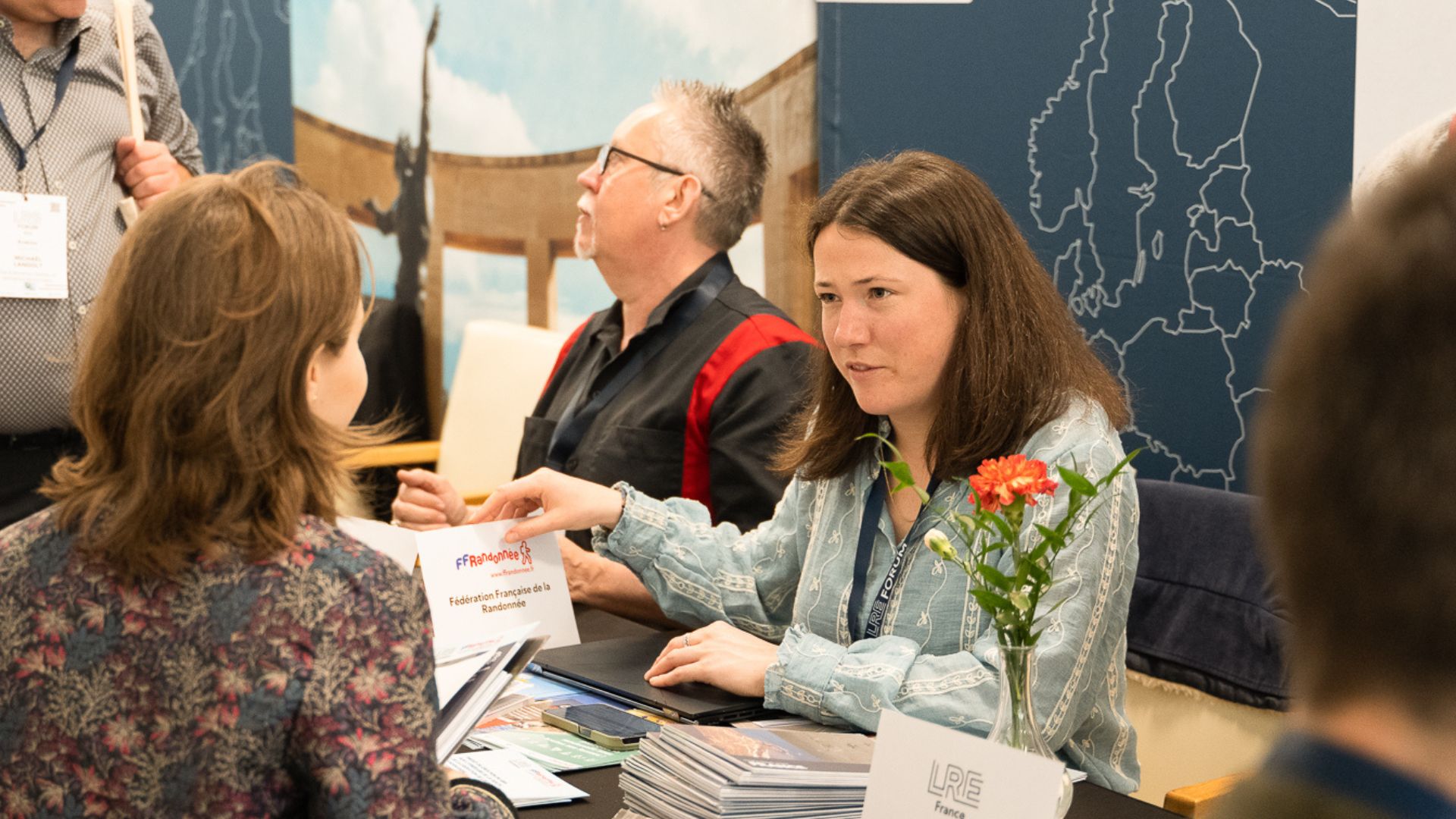
Over the past five years, the LRE Foundation and Fédération Française de Randonnée (FFRandonnée) have worked together to develop the Liberation Route Europe in France, integrating historical storytelling with the country’s GR® and GR® de Pays trail networks.  

To reflect on this partnership, we interviewed Clothilde Cenier, Project Manager at the Fédération Française de Randonnée (FFR). In this discussion, we explore the origins, goals, and achievements of this collaboration, as well as its impact on promoting historical awareness and sustainable tourism through hiking. 

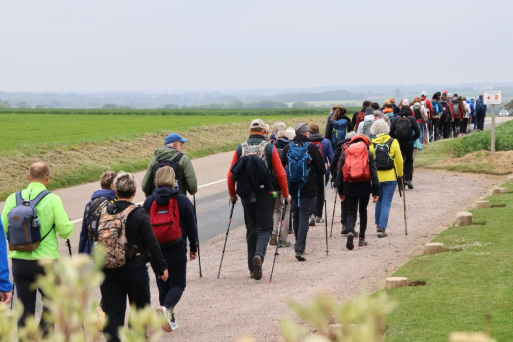
FFR’s long distance trails marking.
Looking back over the past five years, what brought the LRE Foundation and FFRandonnée together, and how did the partnership take shape?The launch of the partnership was the culmination of several years of discussions between FFRandonnée and the Foundation (LRE France), with the latter aiming to rely primarily on FFRandonnée’s GR® and GR® de Pays trail network. The first memorandum of understanding was signed between the two parties in 2021. This agreement was renewed and signed again in 2024 in Arromanches during the 80th anniversary of the D-Day landings in Normandy. 
What shared values or missions made this partnership a natural fit? The LRE Foundation and FFRandonnée share a commitment to preserving natural spaces and promoting the tourist and economic value of territories. By connecting historical sites through hiking trails, they help preserve collective memory, highlight cultural and landscape heritage, and encourage sustainable tourism that respects local areas. 
How does this partnership align with FFRandonnée’s overall strategy, particularly in terms of promoting hiking, preserving trails, and fostering innovation? The development project for the Liberation Route Europe on our GR® and GR® de Pays trail network contributes to its promotion on both a national and international scale. This partnership aligns with FFRandonnée’s strategy to make hiking trails a means of discovering territories and their heritage. By linking hiking with history, we enrich the experience for hikers, giving it deeper meaning. 
Among the projects you’ve carried out with LREF, which one seems the most emblematic, and why? Since the beginning of the partnership, several sections of the Liberation Route Europe have been defined in collaboration with volunteers from regional and departmental committees. The most emblematic project is the creation and extension of a trail in Normandy. The 135 km extension of the GR®221- from Cotentin to the borders of the Duchy of Normandy – completed as part of this project and inaugurated earlier this year, connects several major sites of the Battle of Normandy. It perfectly illustrates our complementary strengths: FFRandonnée brings its expertise in creating and defining trails, while the LRE Foundation contributes the historical and memorial dimension.
Inauguration of the GR®221 inaugurated In April 2026.

Which innovative projects will mark a turning point in the collaboration?

We are currently developing the Liberation Route Europe project in other regions of France, such as Grand-Est and Île-de-France, by also creating thematic routes that build on our GR® network as well as our PR® trails. This allows for a more local approach and highlights lesser-known territories. In this way, we will be able to expand the project to a greater number of regions. 

Art of Remembrance exhibition concludes successful run at the Sybir Memorial Museum 

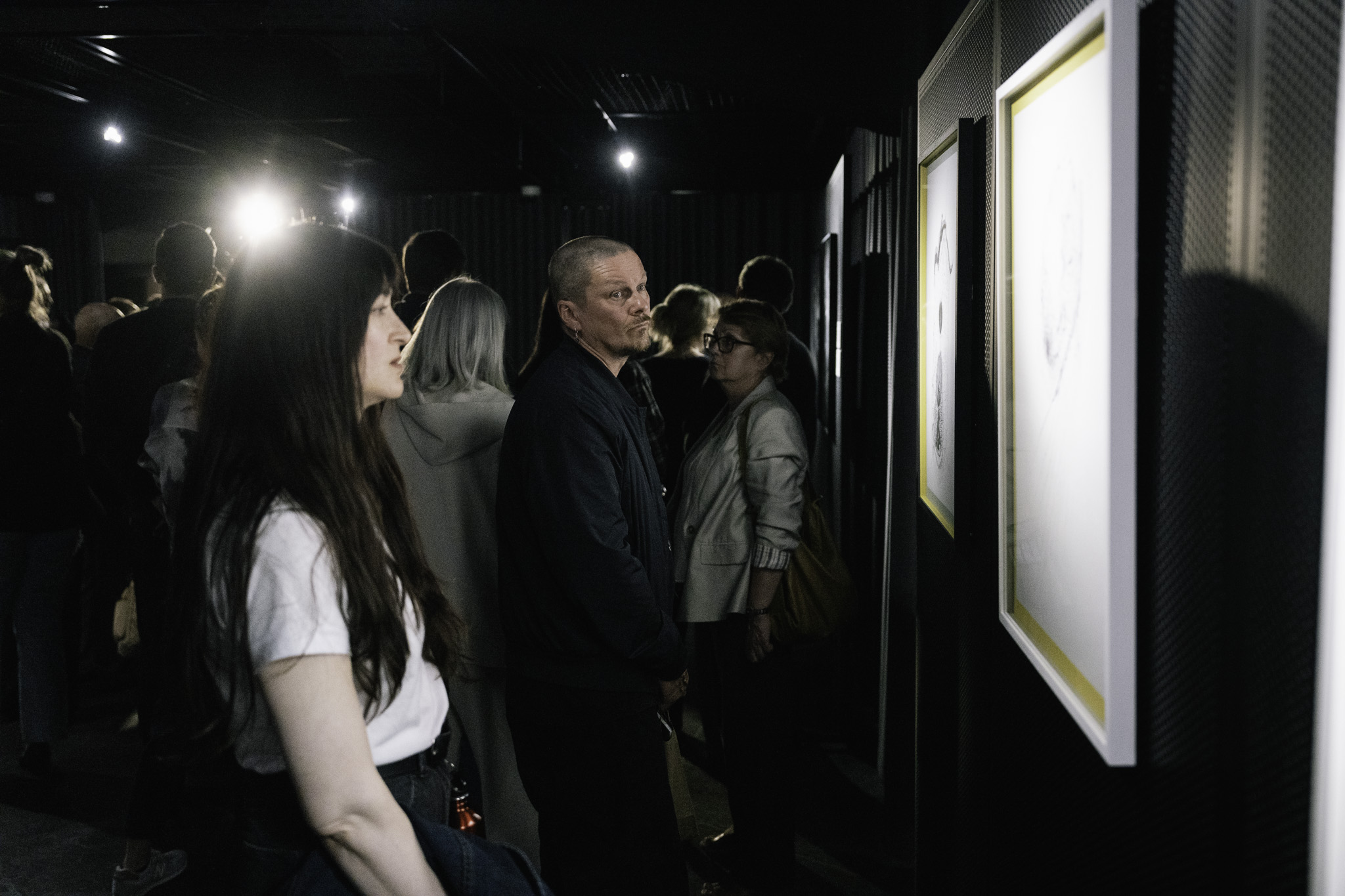
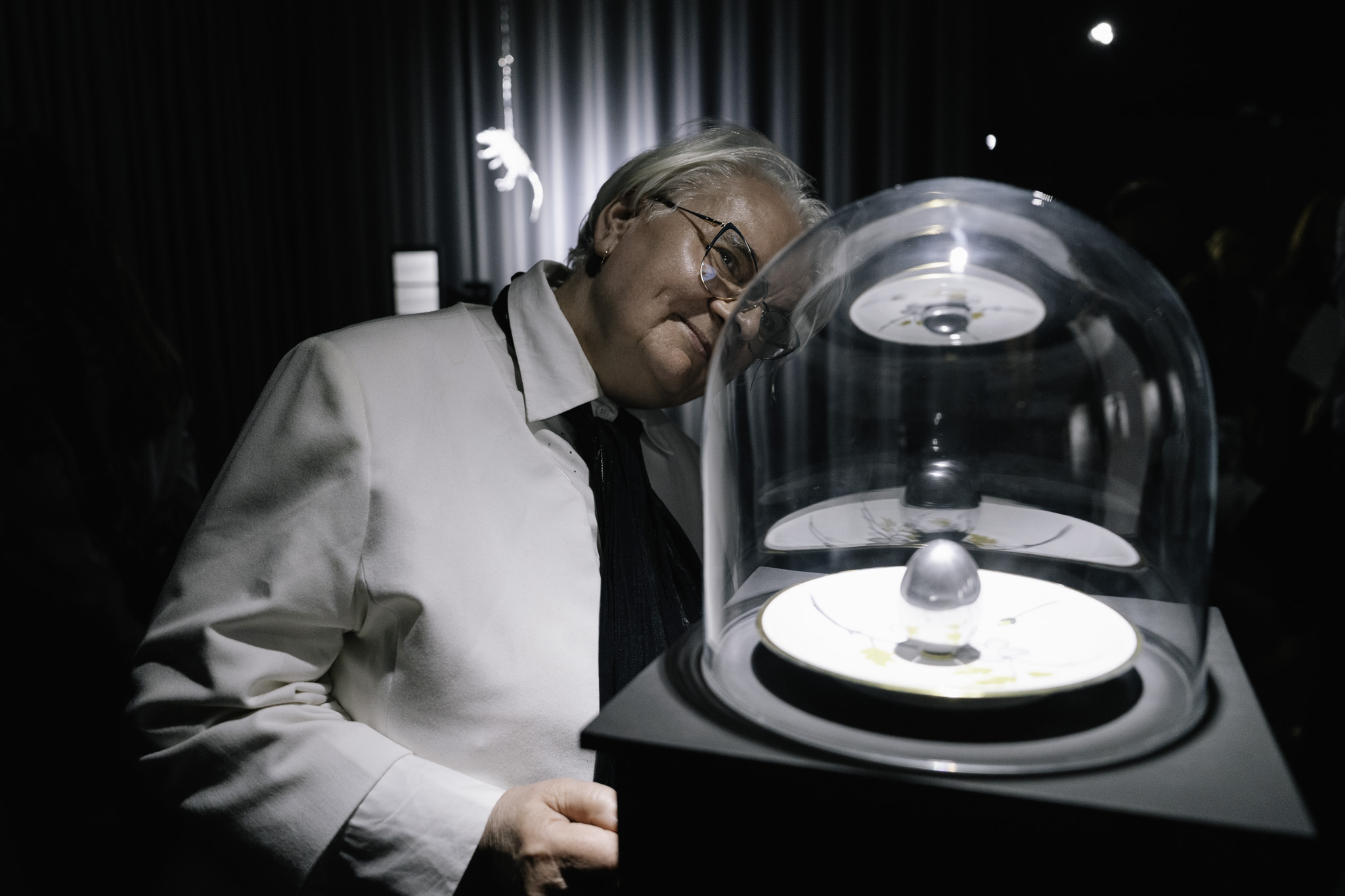
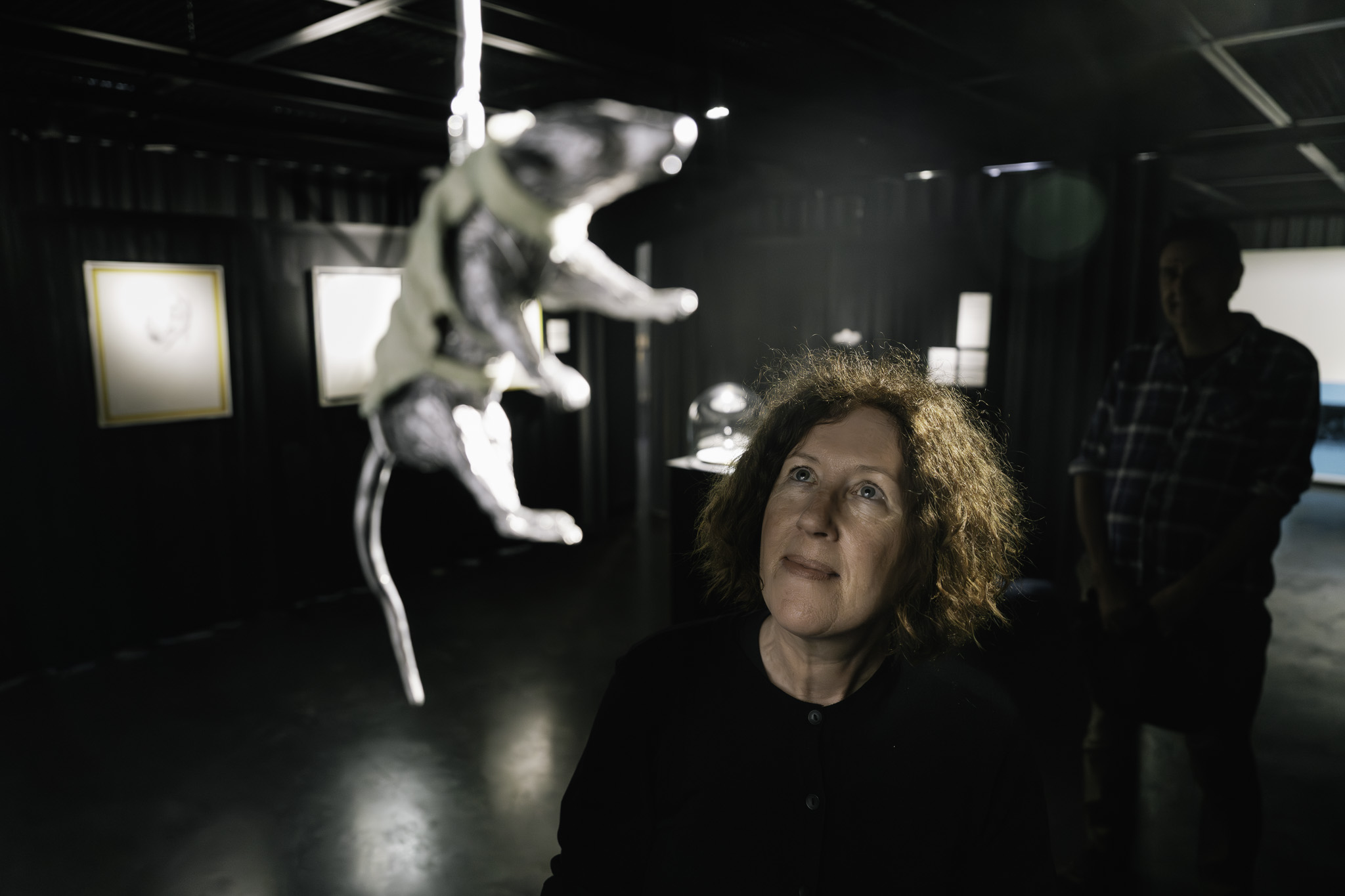
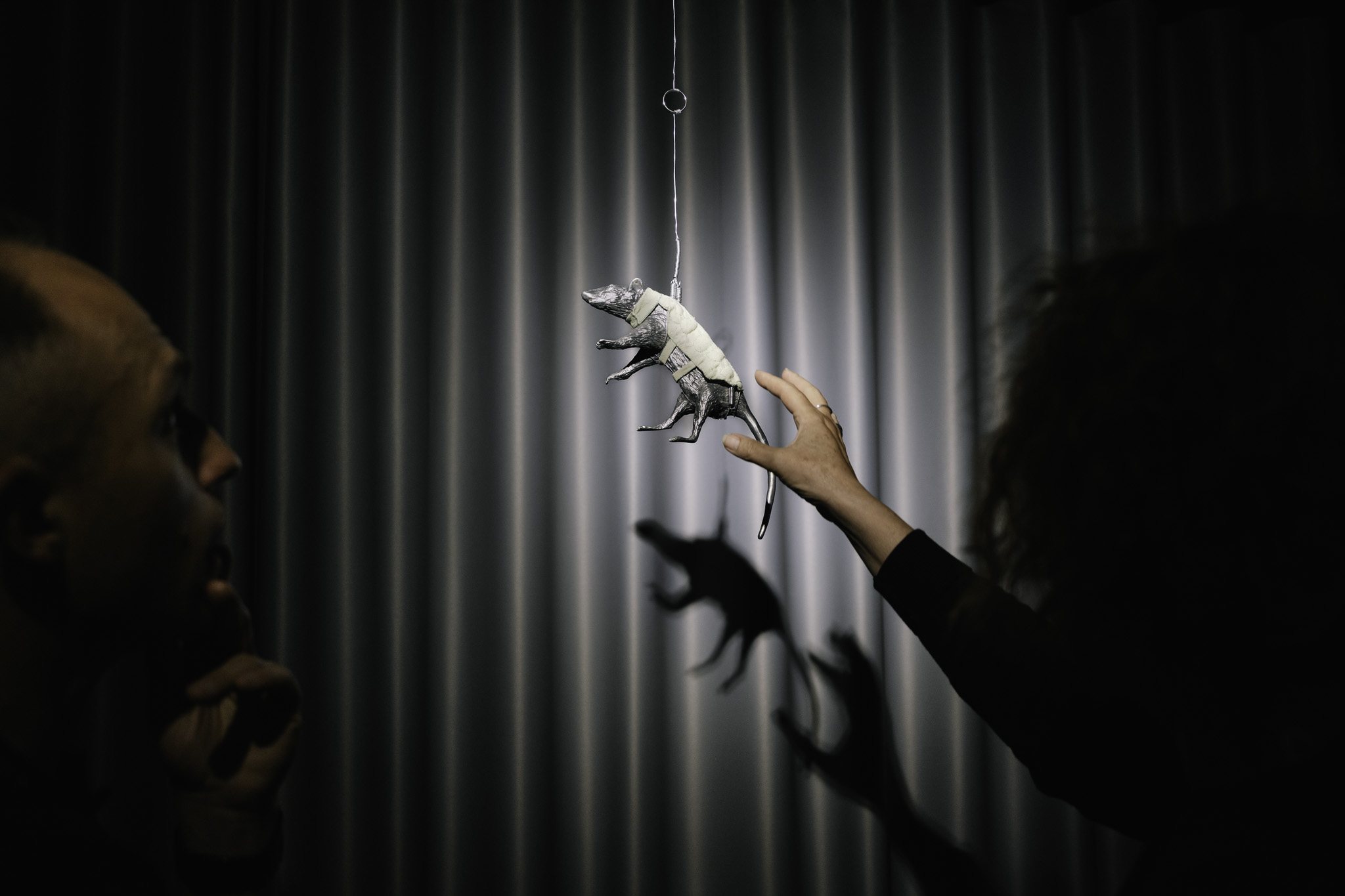
The Art of Remembrance exhibition concluded its month-long presentation at the Sybir Memorial Museum in Białystok, Poland, on 30 June 2026, marking the end of a significant chapter in the project’s European tour. As the first international exhibition ever hosted by the museum, it offered visitors the opportunity to explore the history and legacy of the Second World War through contemporary artistic perspectives, creating meaningful exchanges between art, history, and remembrance. 

Following earlier stops at House of Nijmegen History in the Netherlands and Turin’s Polo del Novecento in Italy, the exhibition invited audiences in Poland to discover four contemporary artistic perspectives on memory, loss, displacement, and the legacy of WWII. Through the works of Juhana Moisander (Finland), Rebekka Bauer (Germany), Raphaël Dallaporta (France), and Gail Ritchie (Northern Ireland), visitors were encouraged not only to reflect on Europe’s shared past, but also to experience history in a more personal and emotional way, discovering how contemporary art can deepen our understanding of remembrance and its relevance today. 

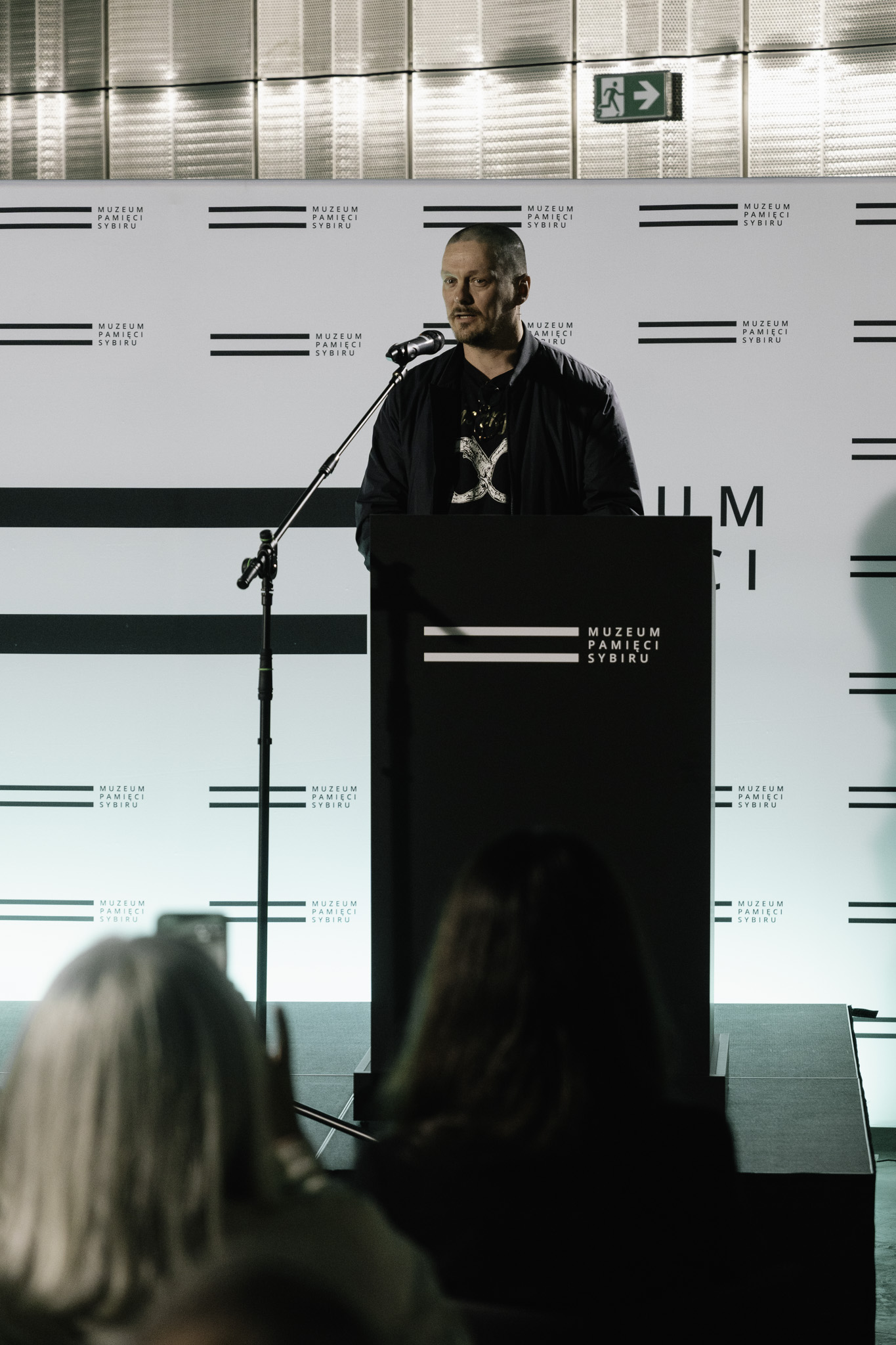
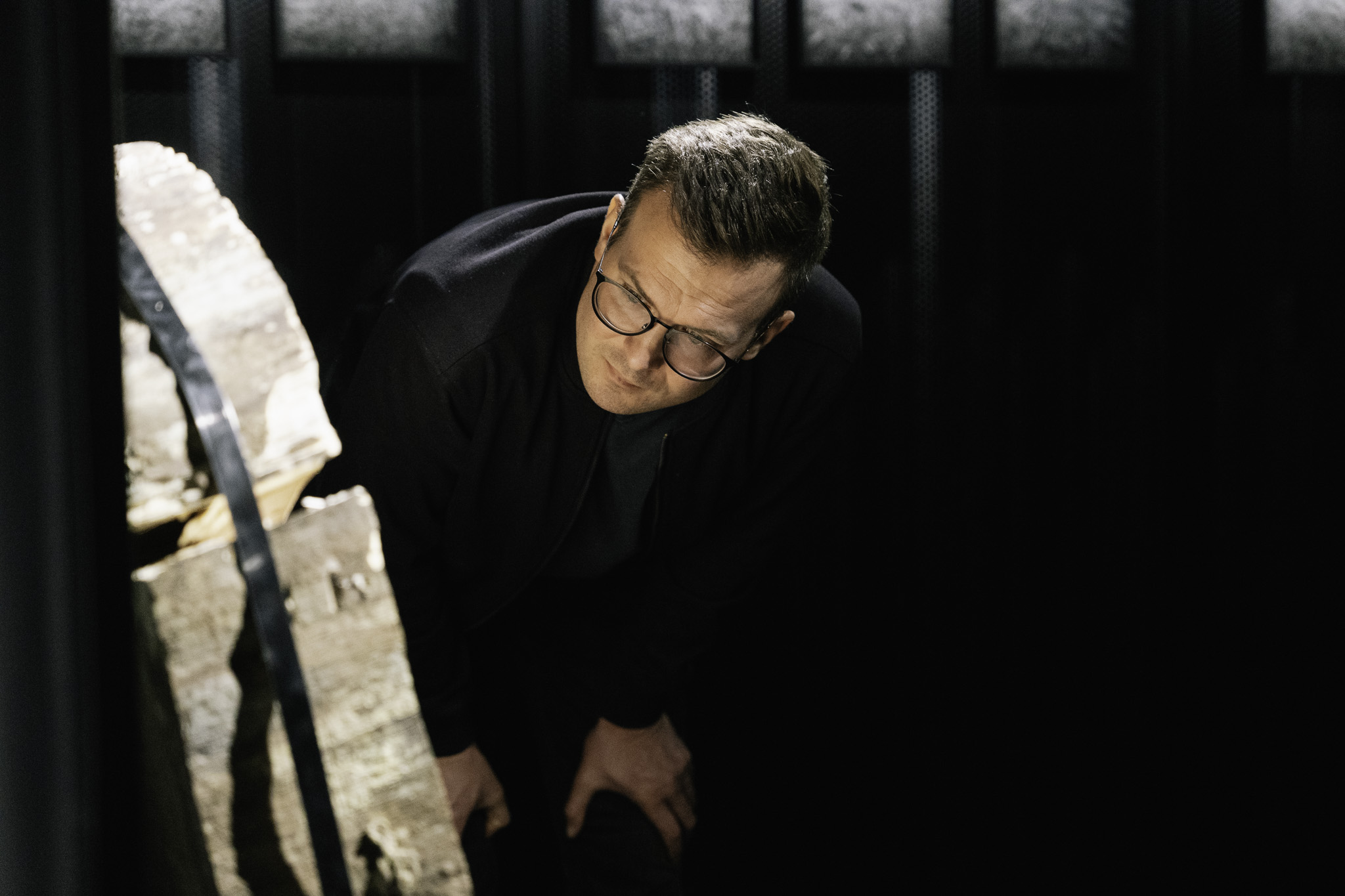
The exhibition’s connection to the Sybir Memorial Museum proved especially meaningful. Dedicated to preserving the stories of Polish citizens forcibly deported to Siberia and other remote regions during the Soviet and Nazi occupations, the museum provided a powerful setting for artworks exploring remembrance and human resilience. During the exhibition launch in Białystok on 2 June, visitors also had the opportunity to join curator-led tours that explored both the historical context behind the exhibition and the artists’ creative processes. 

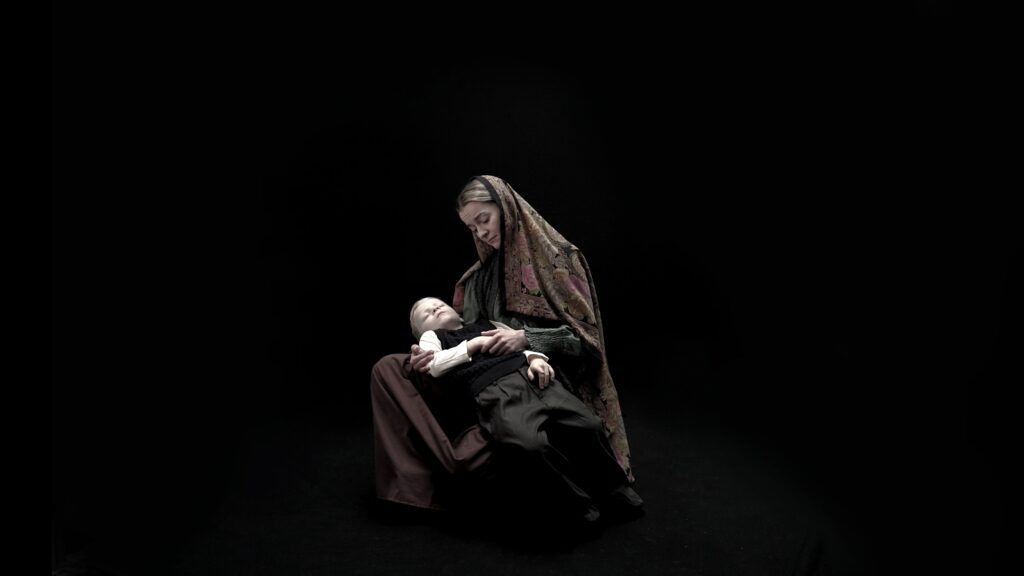
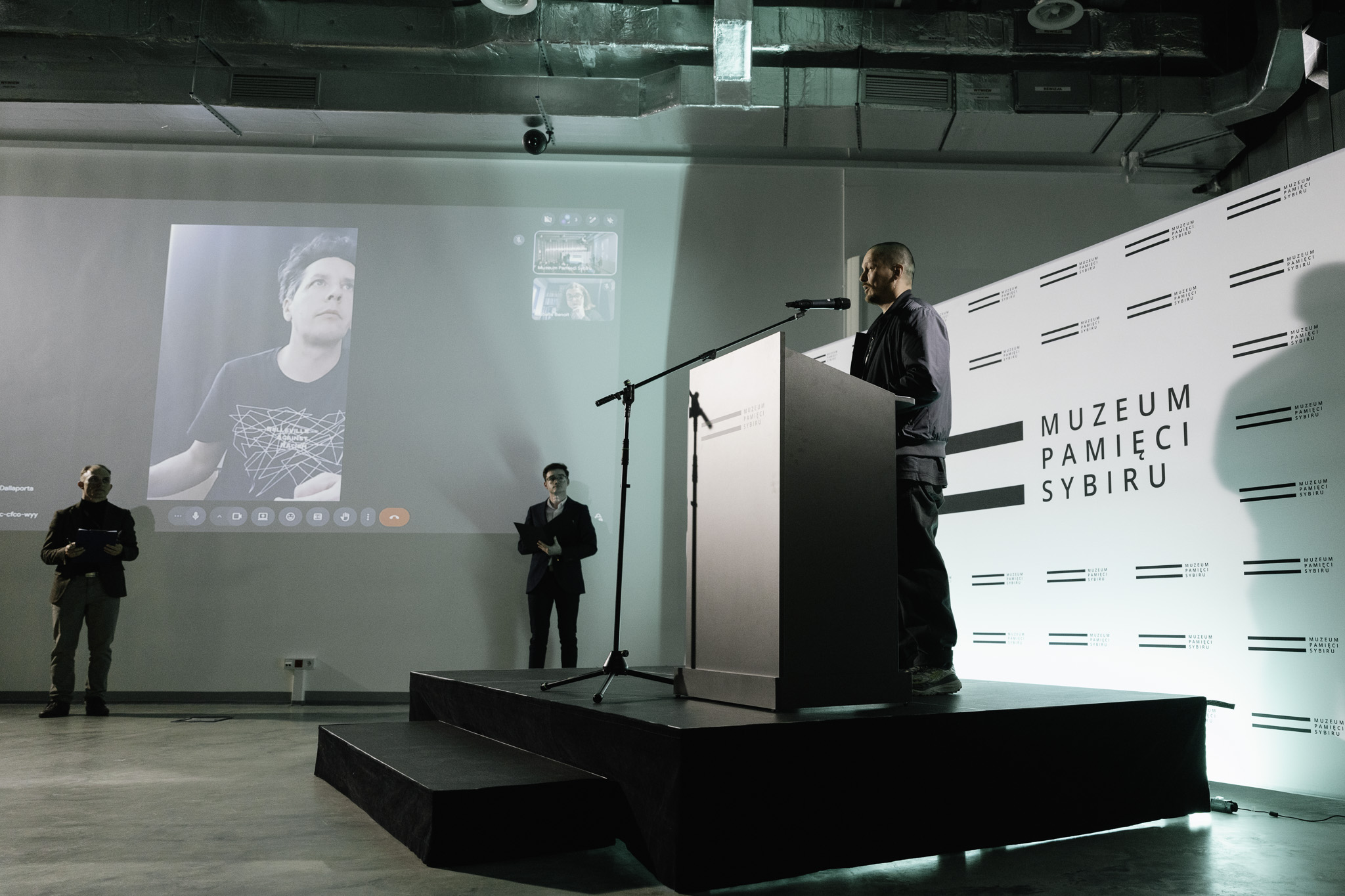
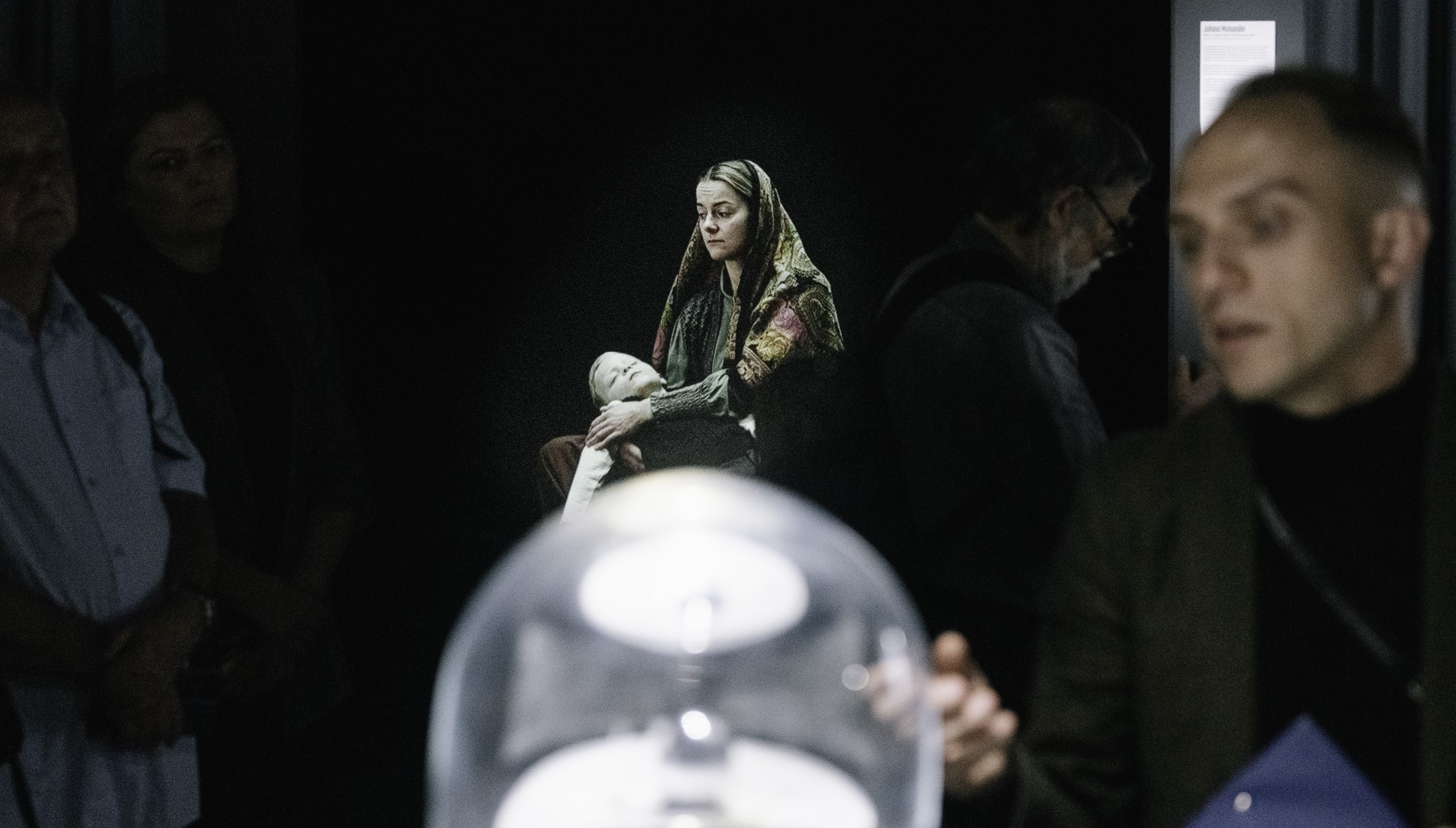
One of the featured works, Matka (Mother), by Finnish artist Juhana Moisander, was created during an artist residency in Białystok and directly references the experiences of Siberian exiles. Combining sound, moving image, and installation, the work depicts the silhouette of a mother and child inside a train wagon, creating an immersive reflection on displacement, memory, and loss. During the opening event, Moisander personally introduced the artwork and shared the inspiration behind its creation, while fellow artist Raphaël Dallaporta joined the audience via video call to speak about his own work and participation in the project.


Matka (Mother), by Finnish artist Juhana Moisander

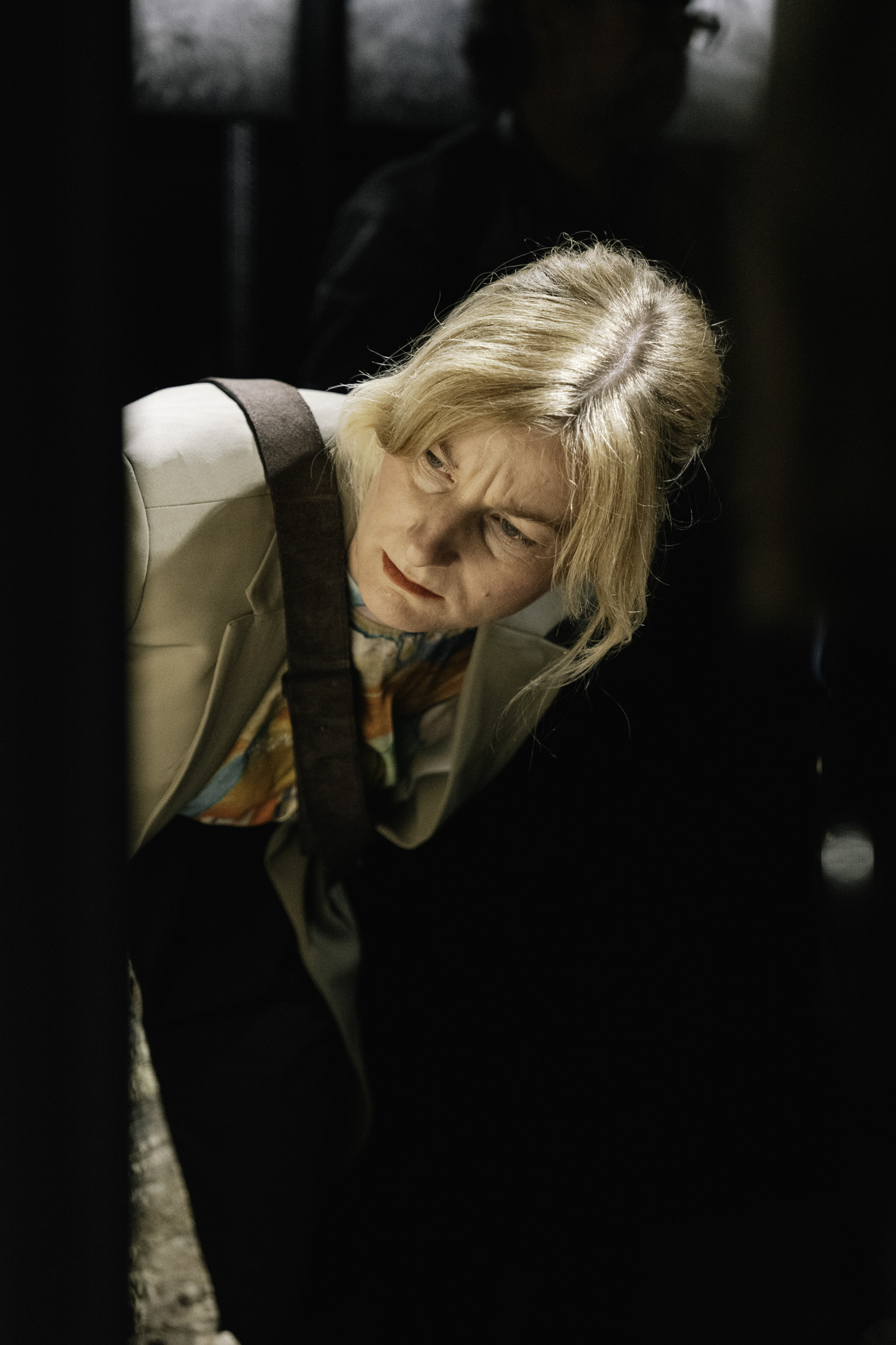
The exhibition also welcomed one of its participating artists, Gail Ritchie, who visited both the exhibition and the Sybir Memorial Museum. Her visit offered an opportunity to experience how the exhibition was received in Poland and to engage with the museum’s unique historical context.

Art of Remembrance is co-funded by the European Union through the Creative Europe programme and it brings together six partners: Tempora, LRE Foundation, La Coupole, Fondazione Nuto Revelli, Sybir Memorial Museum, the City of Bastogne.