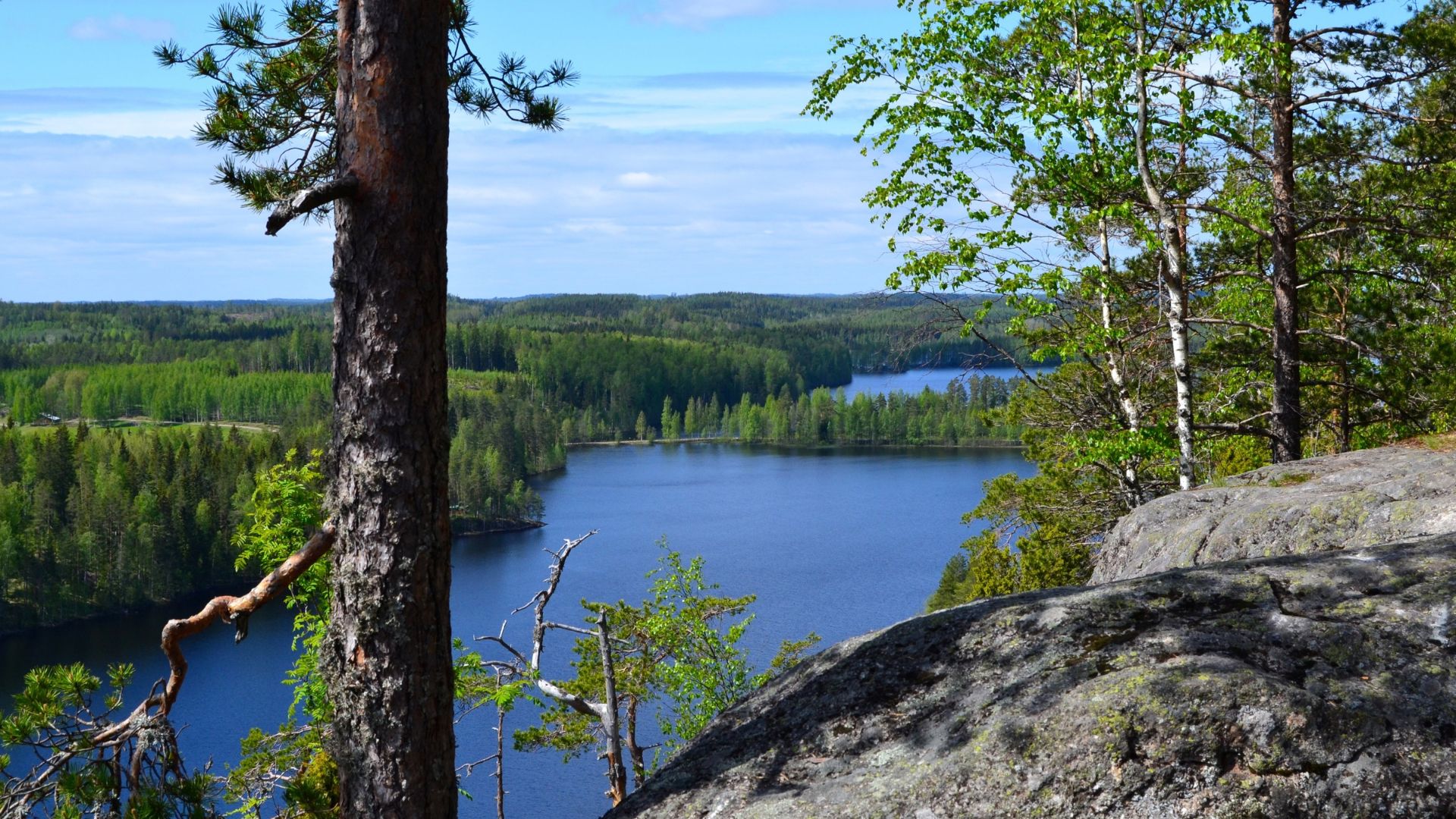
Rautjärvi joins the LRE Foundation network, adding a Finnish borderland perspective 

The LRE Foundation will welcome the Municipality of Rautjärvi, in south-eastern Finland, as a member from January 2027.  

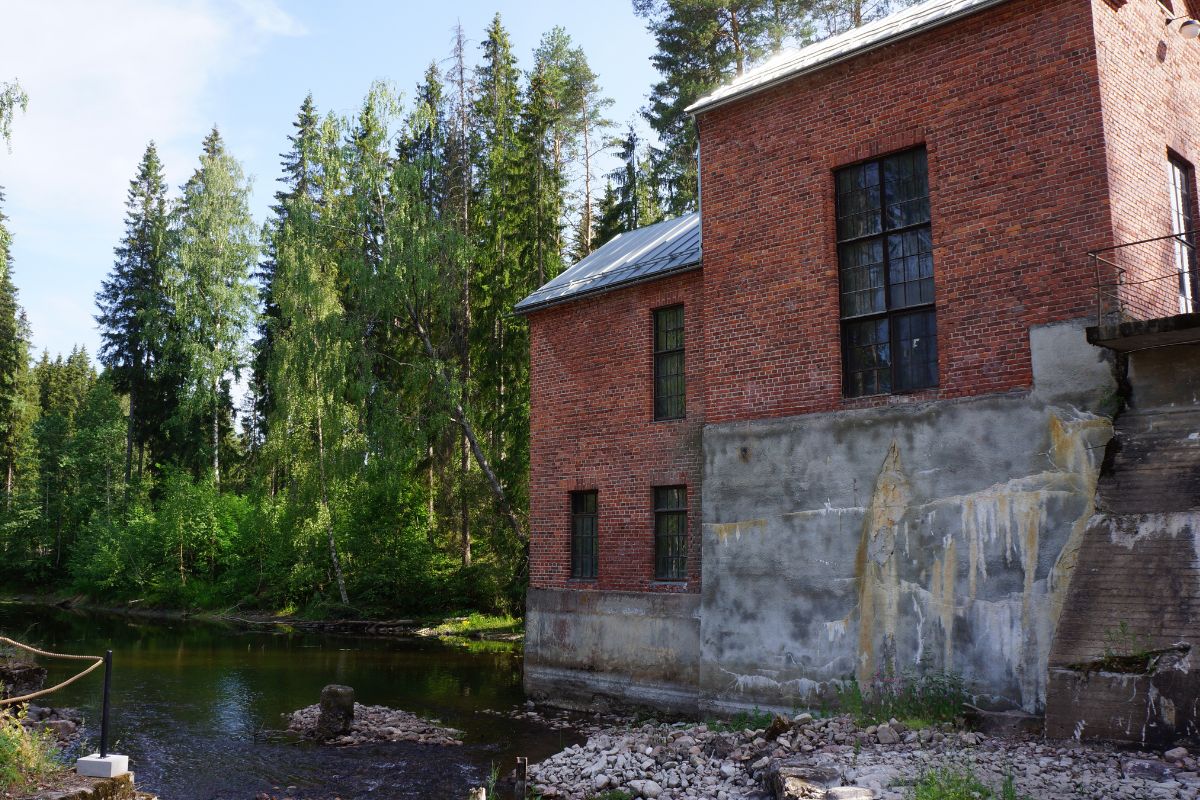
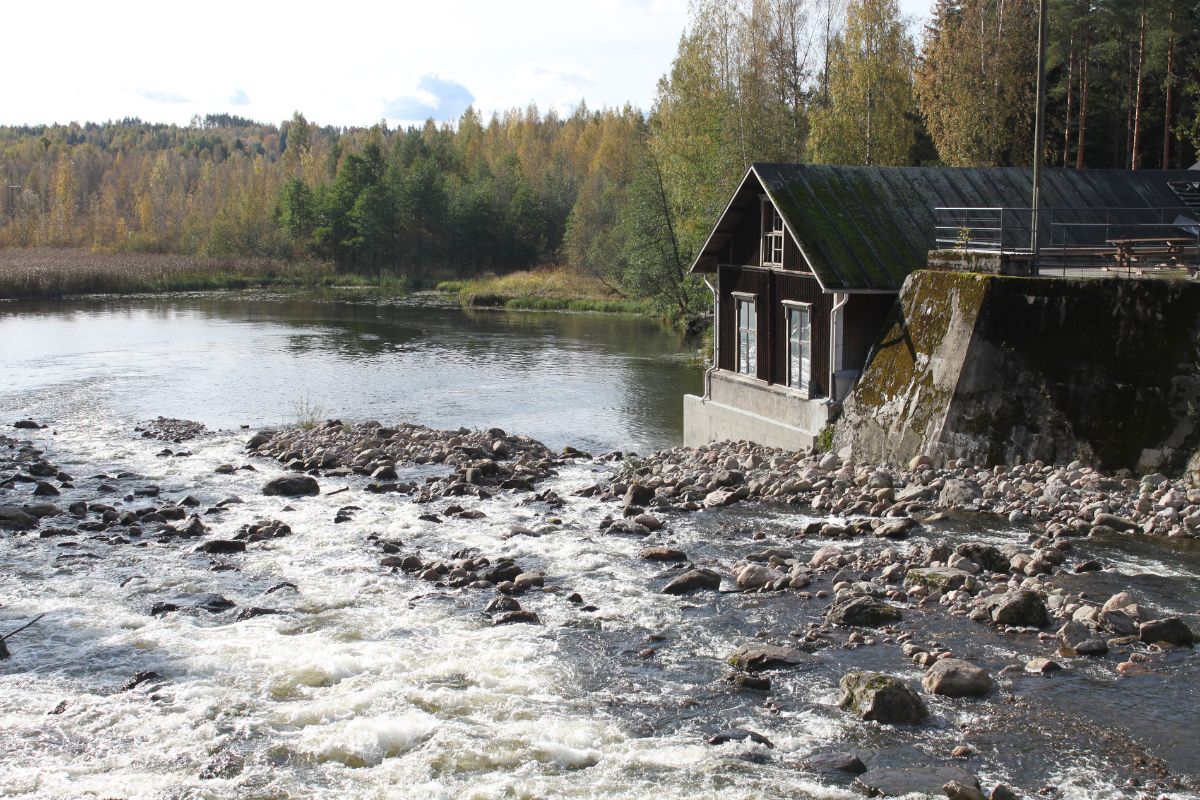
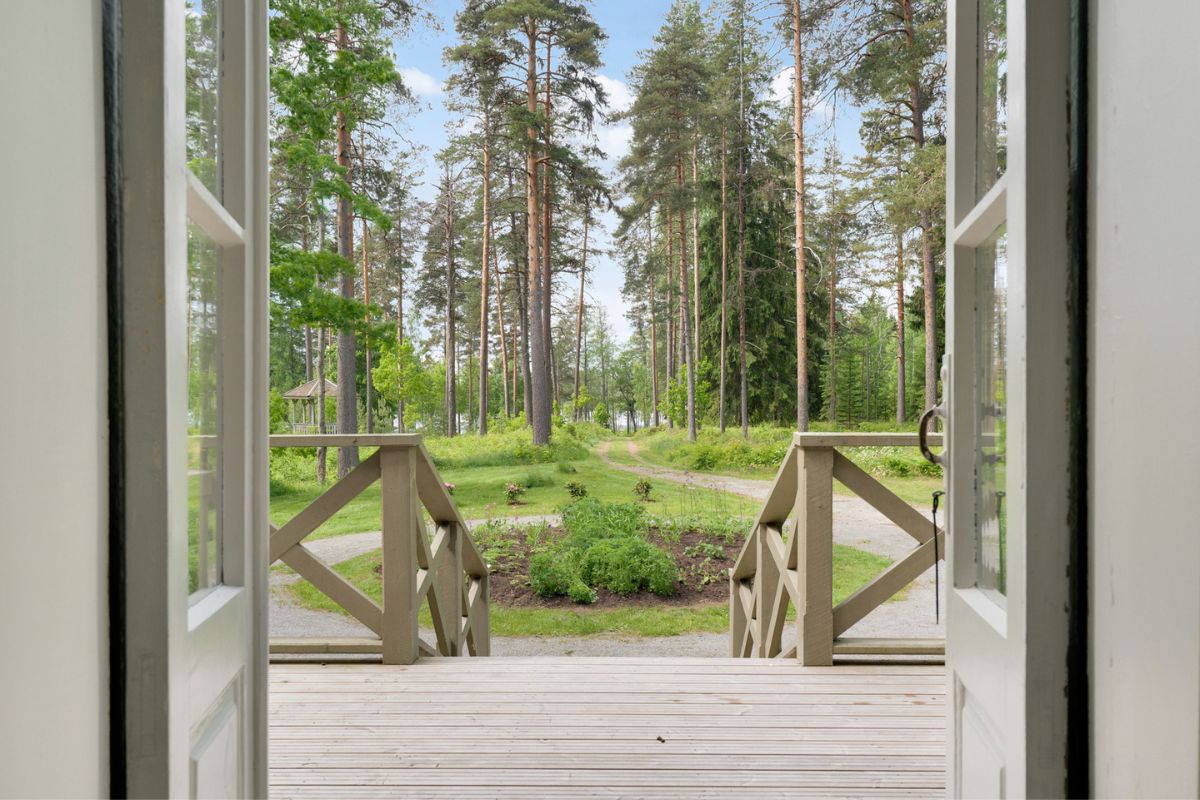
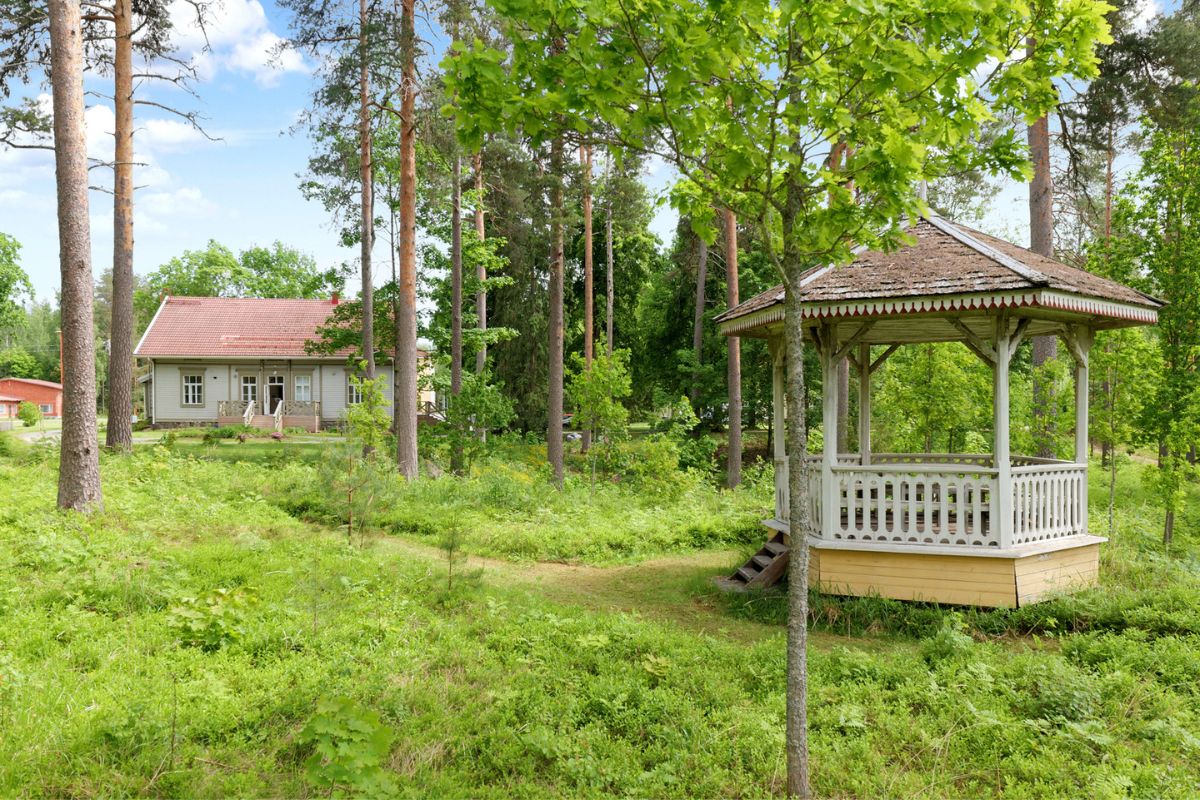
Located close to the Russian border, in a region shaped by shifting borders and military conflicts, Rautjärvi preserves an important part of Finland’s wartime history. Through its museums and historical heritage sites, the municipality offers insight into the experiences of local communities during the Second World War, from the military history of Miettilä to the battles of the Winter War. 

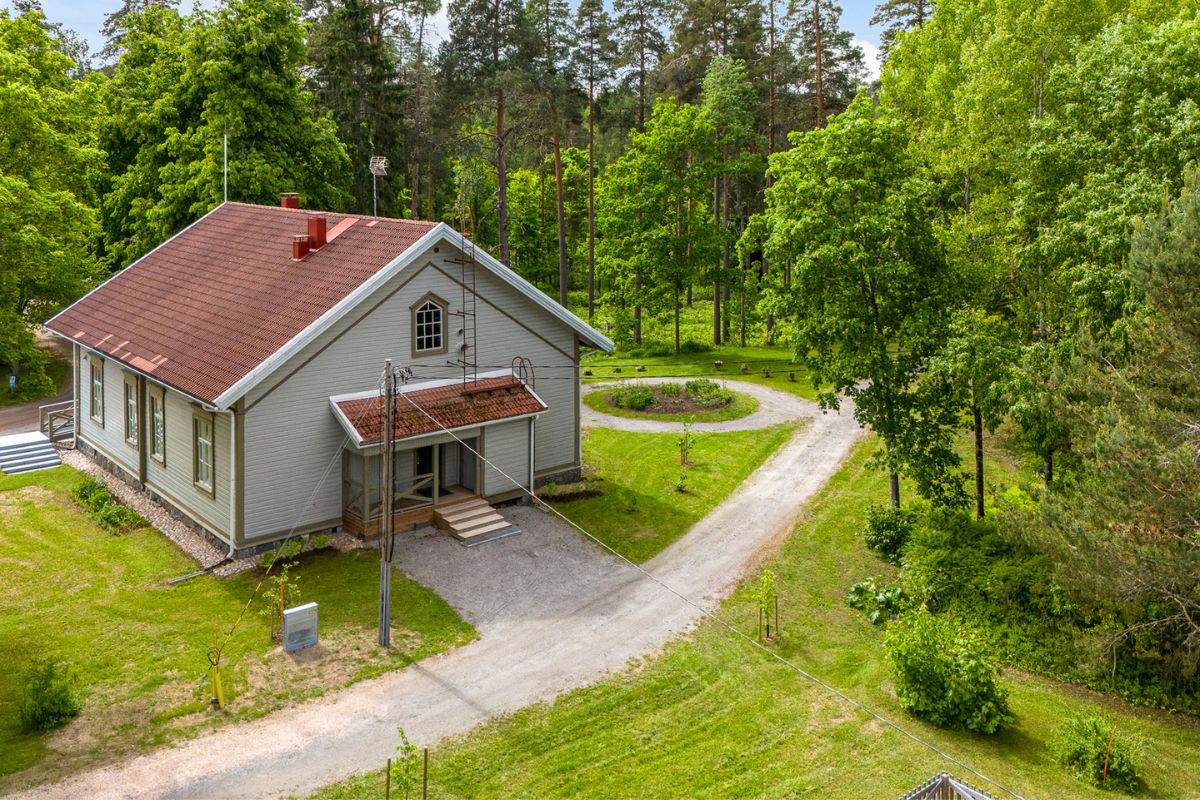
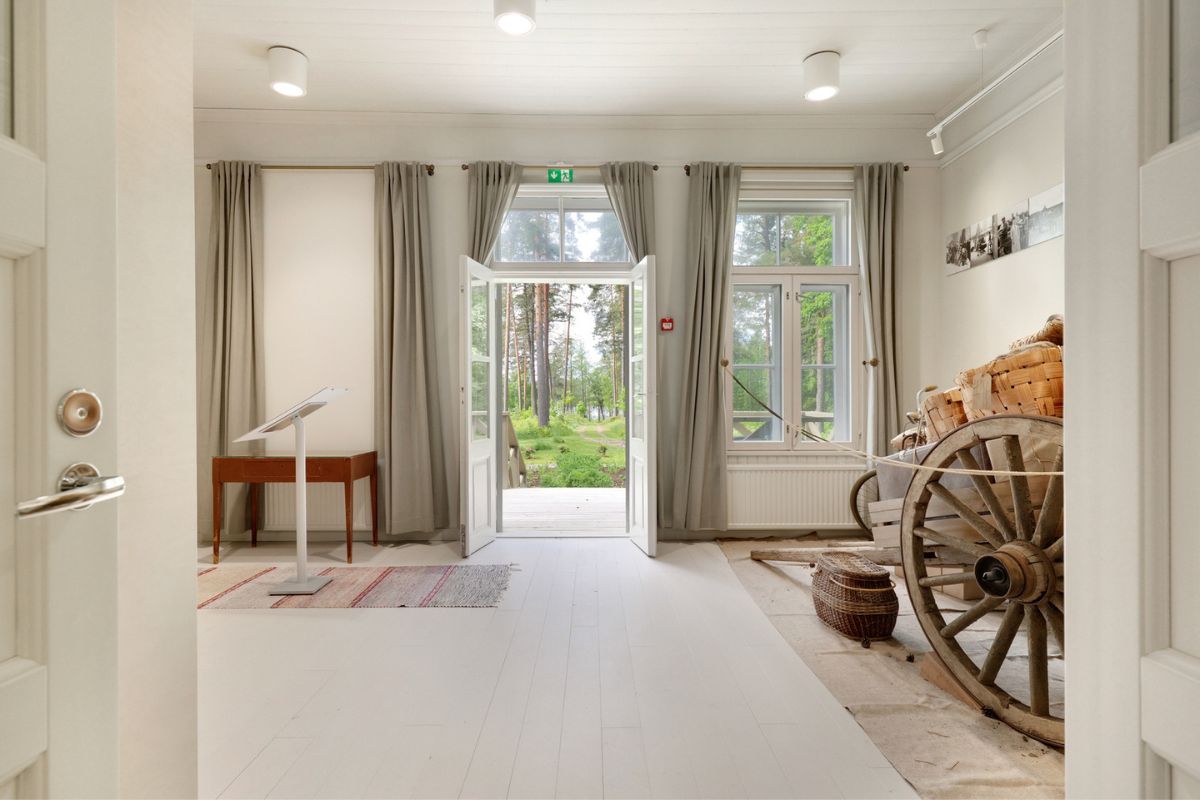
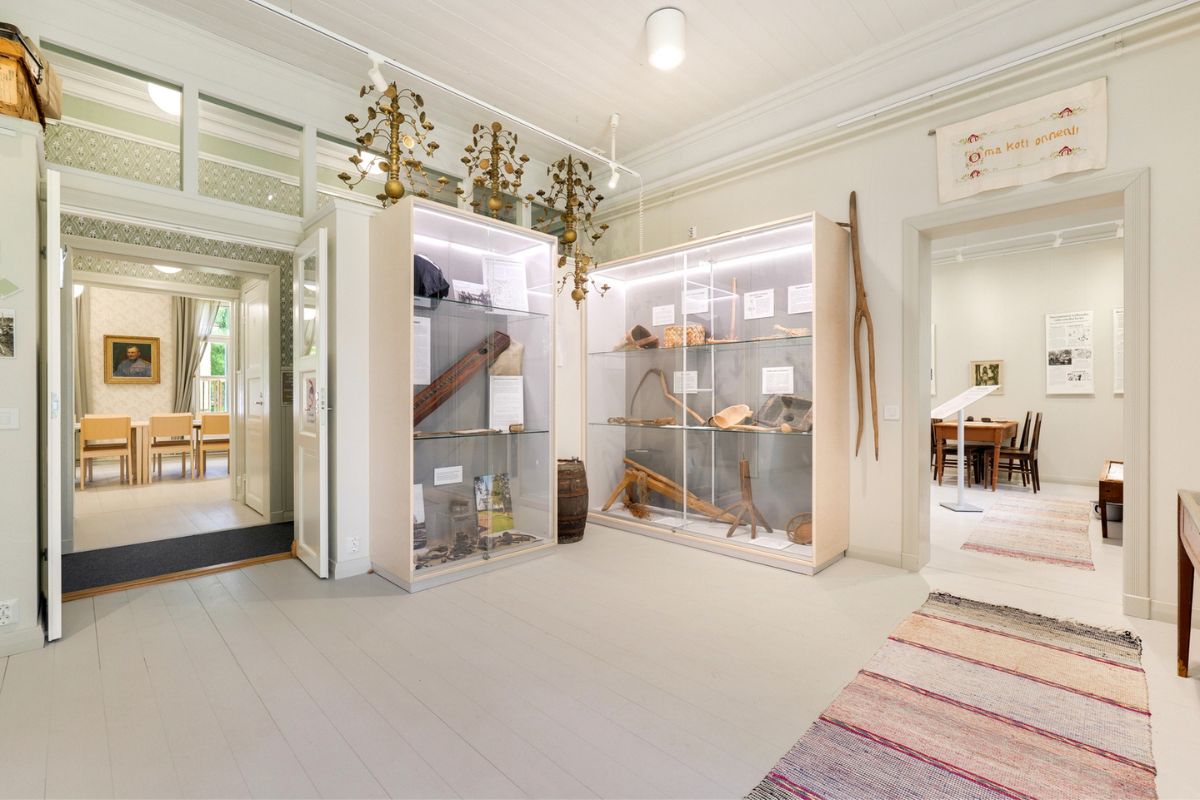
One of Rautjärvi’s main heritage destinations is Kasarminkangas, in the village of Miettilä. Today, this former military barracks area hosts two museums, including the Military History Centre Komendantti and the Kollaa and Simo Häyhä Museum, which focuses on the Winter War (1939–1940) and the experiences of Finnish soldiers on the Kollaa front. 

The museum presents the history of the battles through photographs, maps, documents and original objects, with particular attention to soldiers from Rautjärvi and neighbouring Simpele. It also tells the story of Simo Häyhä, born in Rautjärvi in 1905, who became known for his role as a Finnish sniper during the Second World War. Established through the initiative of local war veterans, the museum works to preserve and share the experiences of those who took part in the conflict. 

For Ossi Välimäki, Culture Coordinator at Rautjärvi Municipality, the significance of the destination extends beyond its WWII heritage: 

“The destination helps us understand how constantly changing borders affect the lives of civilians. A thousand years of battles have sculpted our small village to have a much larger story than just the Second World War. The story of Simo Häyhä is also a landmark of Finnish endurance.” 

Through its museums and historical sites, Rautjärvi offers insight into how the Second World War and the wider history of Finland’s eastern border region affected local communities and the people who lived there. 

By joining the LRE Foundation network in January 2027, the Municipality of Rautjärvi will contribute its local perspective to the Foundation’s wider work connecting organisations, heritage sites and stories related to the Second World War. Its experience will add to the diverse historical perspectives represented across the network, supporting the exchange of knowledge and cooperation in preserving and interpreting Europe’s shared history. 
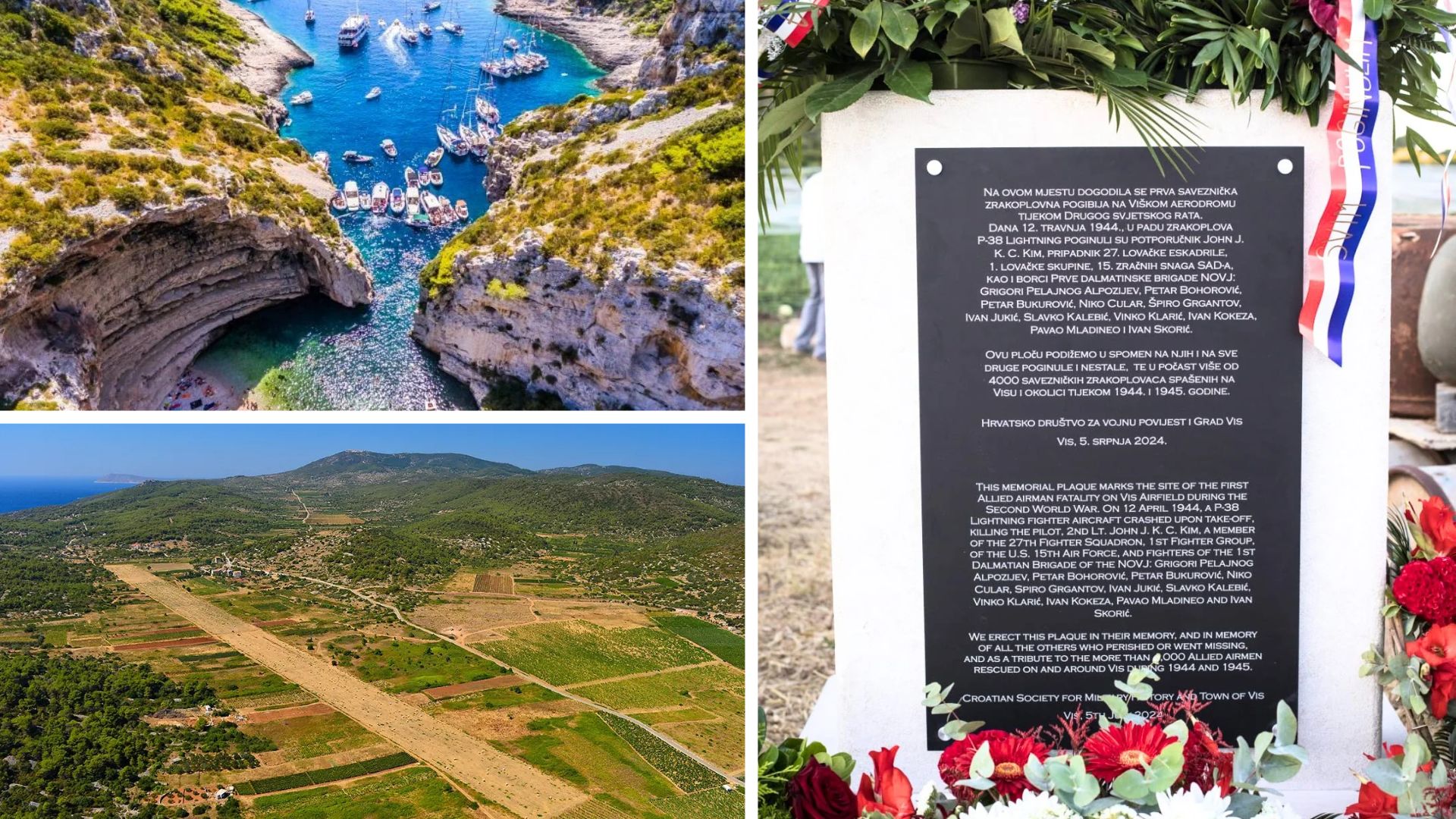
Foundation for Vis Island joins the LRE Foundation network as its first Croatian member 

The LRE Foundation welcomes the Foundation for Vis Island as its first member from Croatia, bringing into the network the remarkable history of an Adriatic island that became a centre of Allied and Partisan resistance during the Second World War. 

Located off the Dalmatian coast, the island of Vis played a unique role in the liberation of (then) Yugoslavia. Following Italy’s capitulation in September 1943, German forces occupied much of the Dalmatian coast and its islands, but Vis remained beyond their control. The island became a strategic base for Yugoslav Partisans and Allied forces, as well as a place of refuge for thousands of civilians and airmen. 

Today, the Foundation for Vis Island works to preserve this history and ensure that the stories of those who fought, survived and found shelter on the island are passed on to future generations. 

Vis Island: a strategic Allied base during WWII 

During the Second World War, Vis became an important centre of military cooperation between Yugoslav Partisans, British and American forces. The island hosted Partisan units, British commandos, Royal Navy coastal forces and members of the American Office of Strategic Services (OSS). It also served as the headquarters of Marshal Josip Broz Tito and the Partisan Supreme Headquarters. 

From Vis, Allied and Partisan forces launched joint operations against German garrisons along the Dalmatian coast and on neighbouring islands. In autumn 1944, the island became a starting point for military operations that contributed to the liberation of Dalmatia. 

Beyond its military importance, Vis also played an extraordinary humanitarian role. Around 40,000 civilian refugees found shelter or were evacuated through the island, while more than 4,000 Allied airmen were rescued.  

These events made Vis not only a strategic stronghold, but also a place where international cooperation and the efforts of the local population helped save thousands of lives. 

Connecting Croatia’s WWII heritage to a European network  

With the Foundation for Vis Island joining as its first Croatian member, the LRE Foundation expands its network to include another important chapter of Europe’s liberation history. The next step will be to create walking trails highlighting this important past and encouraging visitors to the island to explore! The island’s wartime experience reflects the international cooperation at the heart of the LREF network, bringing together the histories of resistance movements, Allied forces and civilian populations. 

As Velimir Mratinić, Local Coordinator at Vis Island Foundation, explains: 

“Resistance on Vis island began in 1941 and reached its height in 1944, when Yugoslav partisans and British and American forces lived, trained and fought side by side on the island. From here they struck at German garrisons, saved thousands of Allied airmen and opened the way to the liberation of the whole of Dalmatia. As the first LRE member from Croatia, at Foundation for Vis island we want this story of a shared fight, suffering and victory to take its place in Europe’s memory.”

LRE Foundation joins kick-off of ArtMem project in Riga

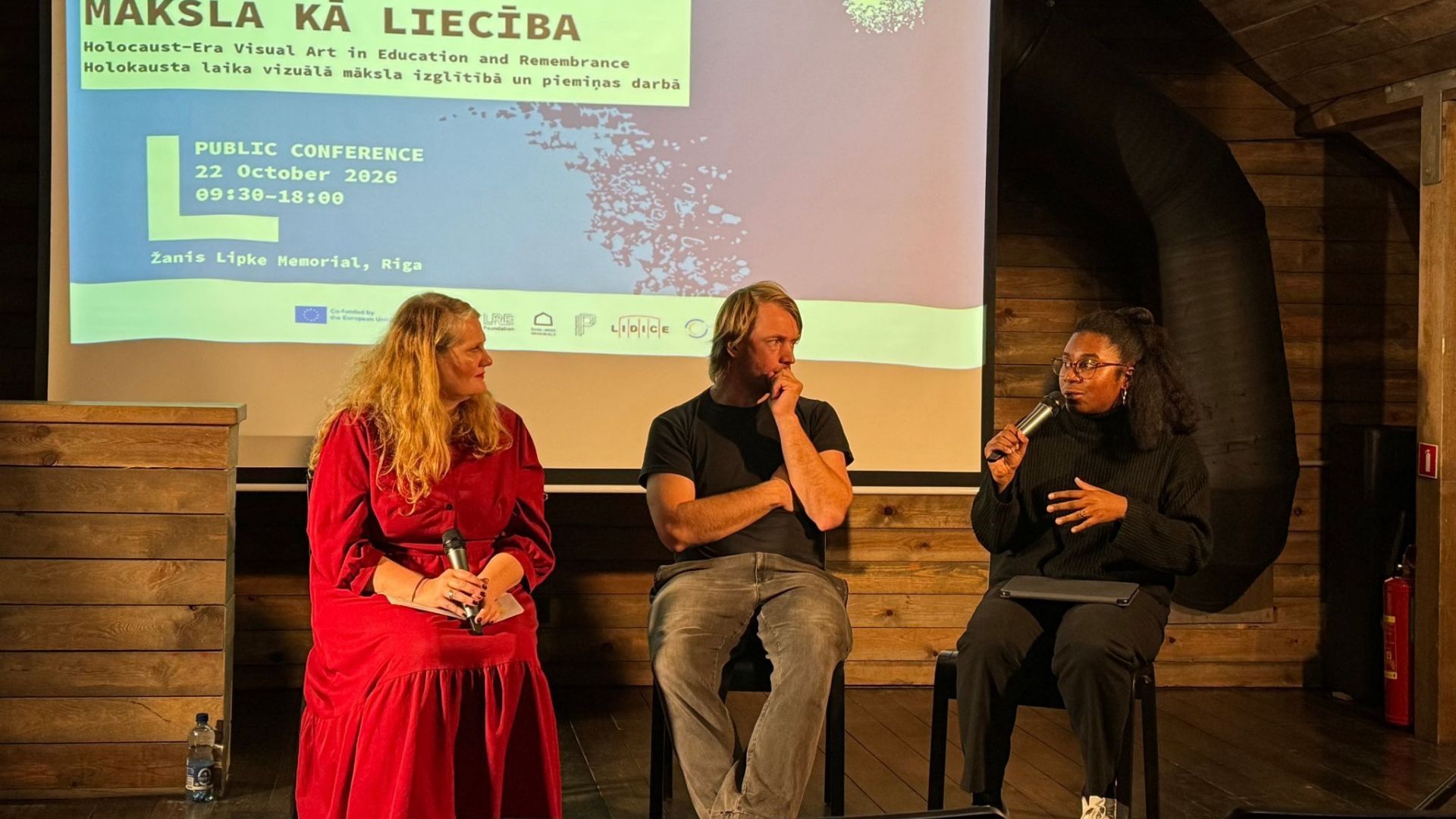
Last month, the LRE Foundation travelled to Riga, Latvia, for the kick-off of ArtMem – Art and Holocaust Memory, a new European cooperation project in which the Foundation is a consortium partner. The launch was held alongside the international conference “Art as Witness – Holocaust-Era Visual Art in Education and Remembrance”, organised and hosted by the Žanis Lipke Memorial from 21 to 23 October 2026.

Art as testimony
ArtMem focuses on artworks created during the Holocaust in ghettos, camps or under persecution. The project treats these drawings and paintings as testimonies, not as illustrations, as they carry personal experiences of loss, resistance, hope and survival. Furthermore, the project pays special attention to women artists and lesser-known artistic voices.

ArtMem aims to develop new ways of passing on Holocaust memory to young people. Throughout its timelines, secondary school students will research and interpret wartime artworks with the help of professional mentors. They will then create their own exhibition material showing what these works mean to them. In doing so, they will link the experiences of the past to present-day questions of prejudice, exclusion, human dignity and democratic values.

Three days in Riga
The conference brought together researchers, educators, museum professionals and cultural practitioners. Prof. Dr. Deniss Hanovs of the Art Academy of Latvia gave the keynote on Holocaust-era art as visual testimony. Holocaust scholar Ella Falldorf contributed her expertise on the ethics of displaying and interpreting such works. Speakers from the Mémorial de la gare de déportation de Bobigny and other institutions shared their experience of teaching the Holocaust through visual art. Discussions covered trauma-sensitive teaching, ethical interpretation, gender perspectives and age-appropriate engagement. These themes will shape the project’s student-led curation workshops and exhibitions.

Site visits rounded off the programme. Participants visited the Aleksandra Beļcova and Romans Suta Art Museum, the Salaspils concentration camp memorial and the Rumbula Forest massacre memorial near Riga.

A European partnership
ArtMem is co-funded by the European Union and developed by Pro Progressione, a Budapest based cultural hub with an international consortium including the LRE Foundation, Lidice Memorial, Jugend- & Kulturprojekt e.V., Székelyföldi Stúdió Egyesület and the Žanis Lipke Memorial. Together the partners cover six European countries.

For updates on the project, visit https://artmemproject.eu/

Funded by the European Union. Views and opinions expressed are however those of the author(s) only and do not necessarily reflect those of the European Union or the European Education and Culture Executive Agency (EACEA). Neither the European Union nor EACEA can be held responsible for them.