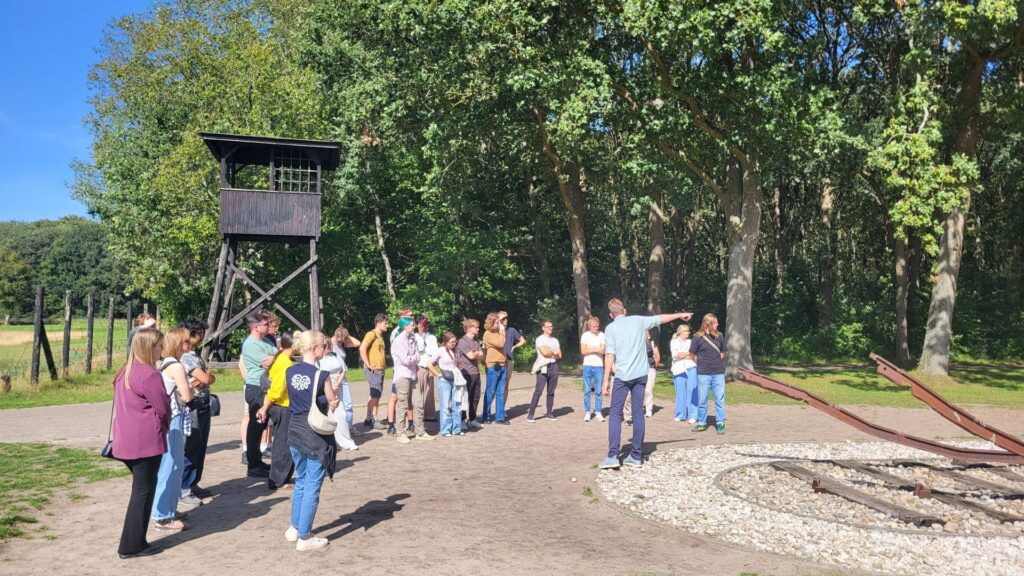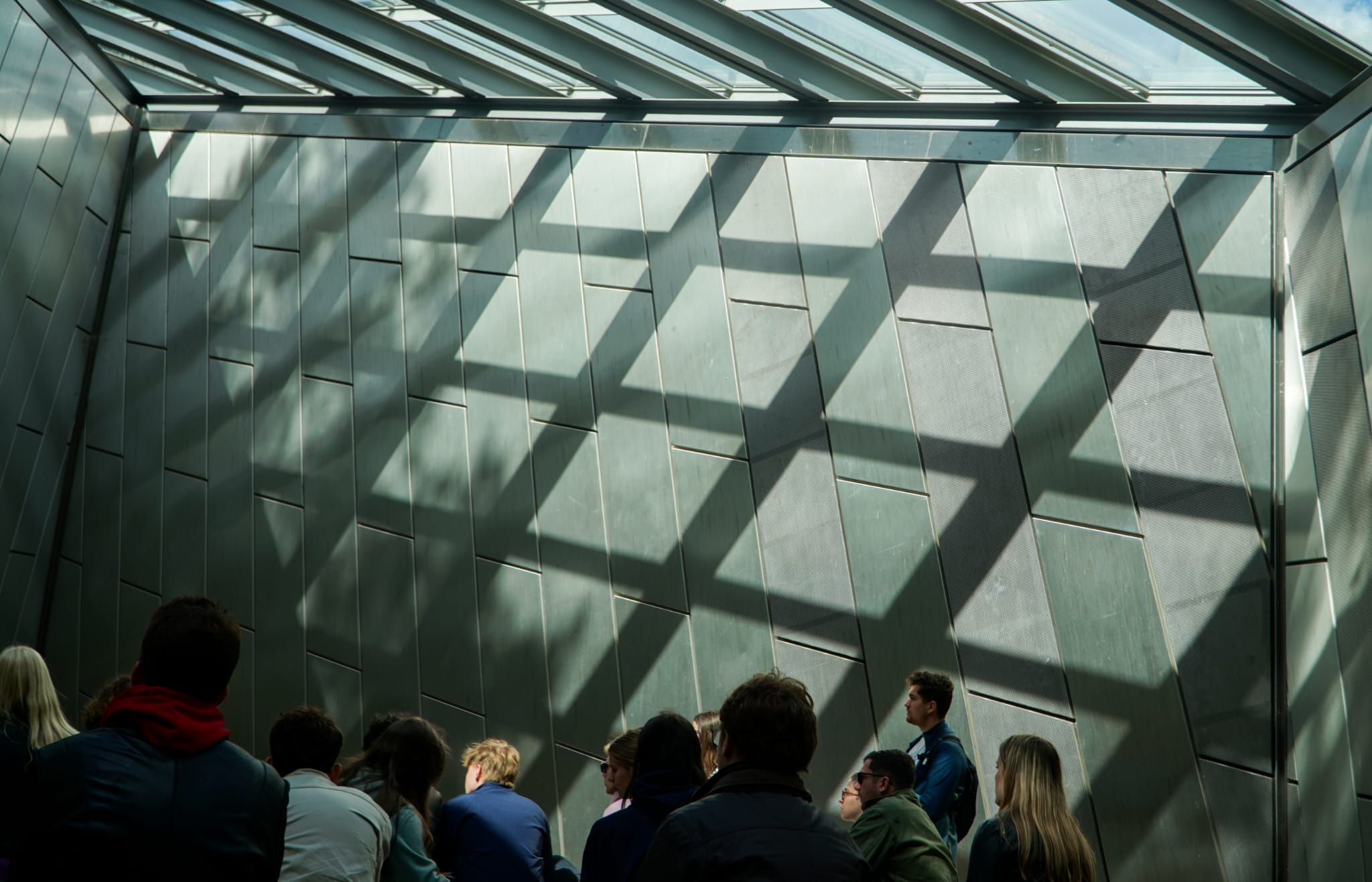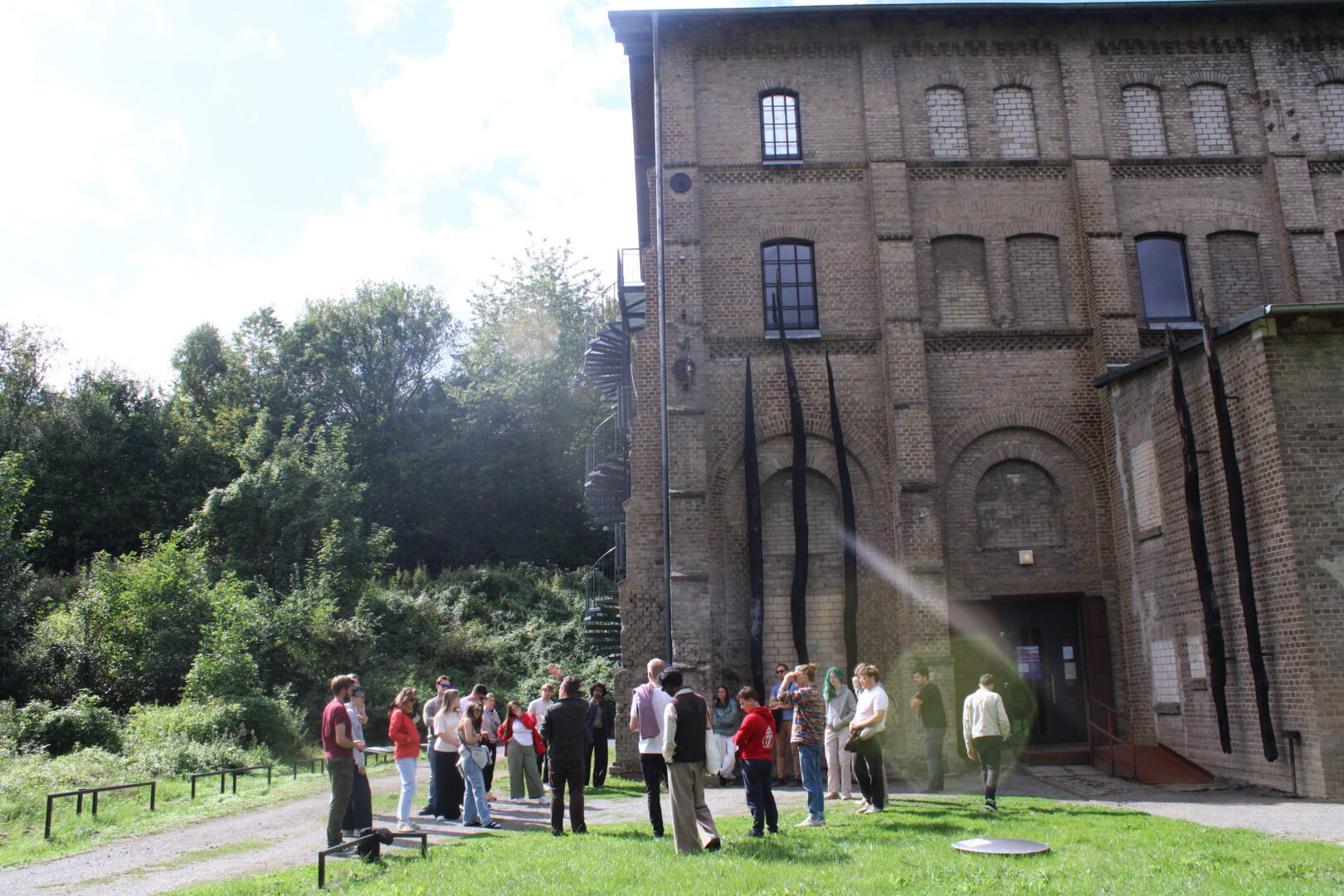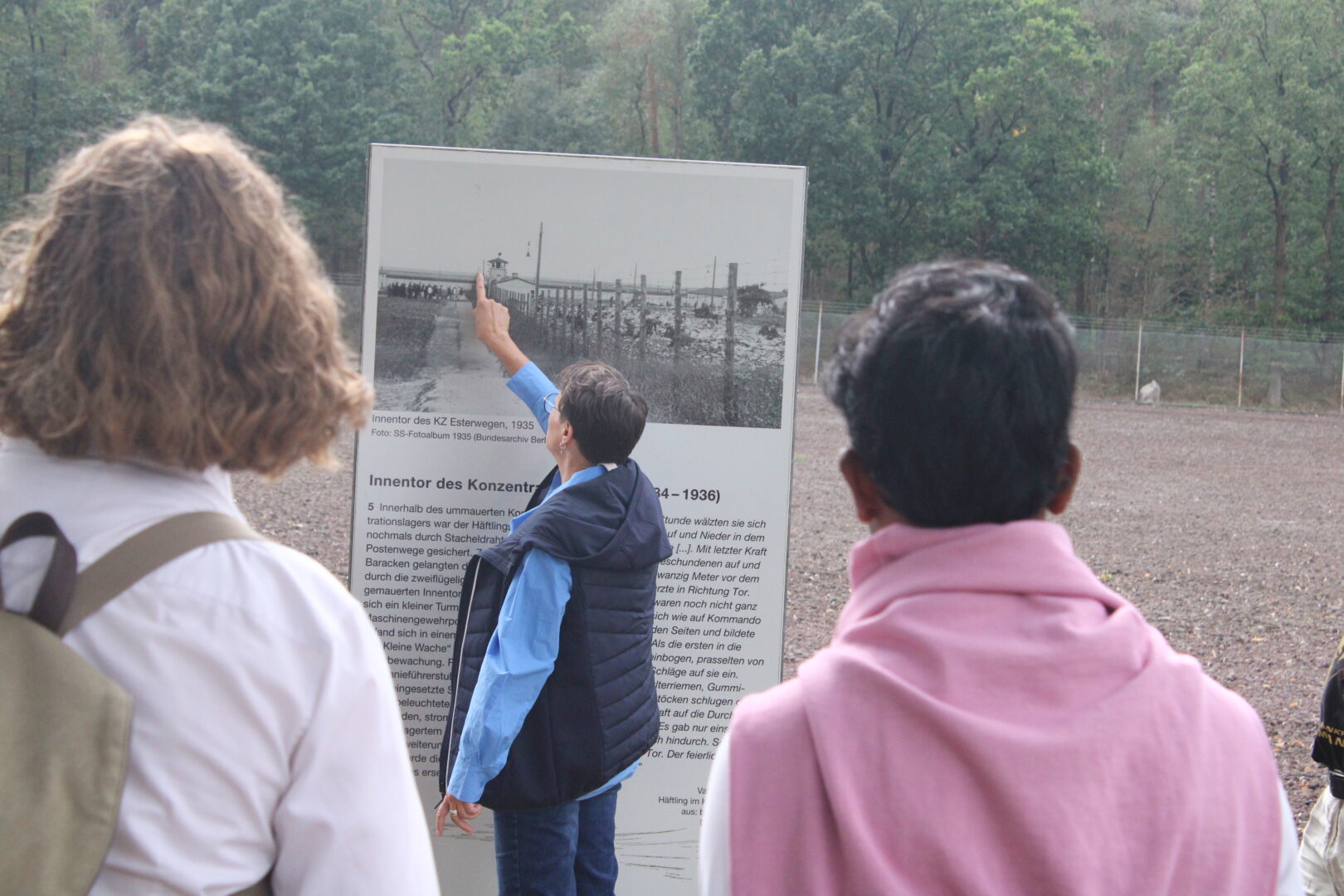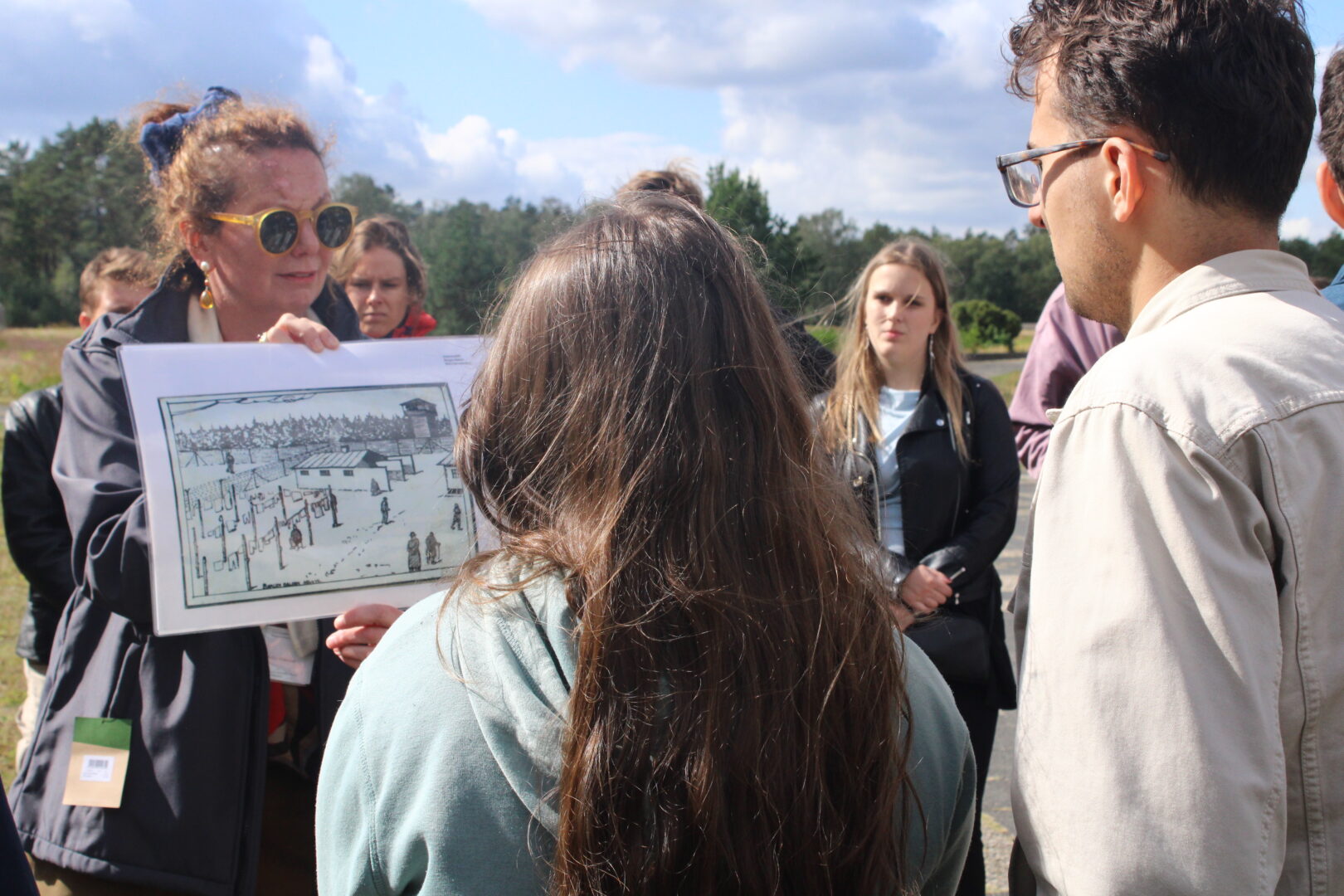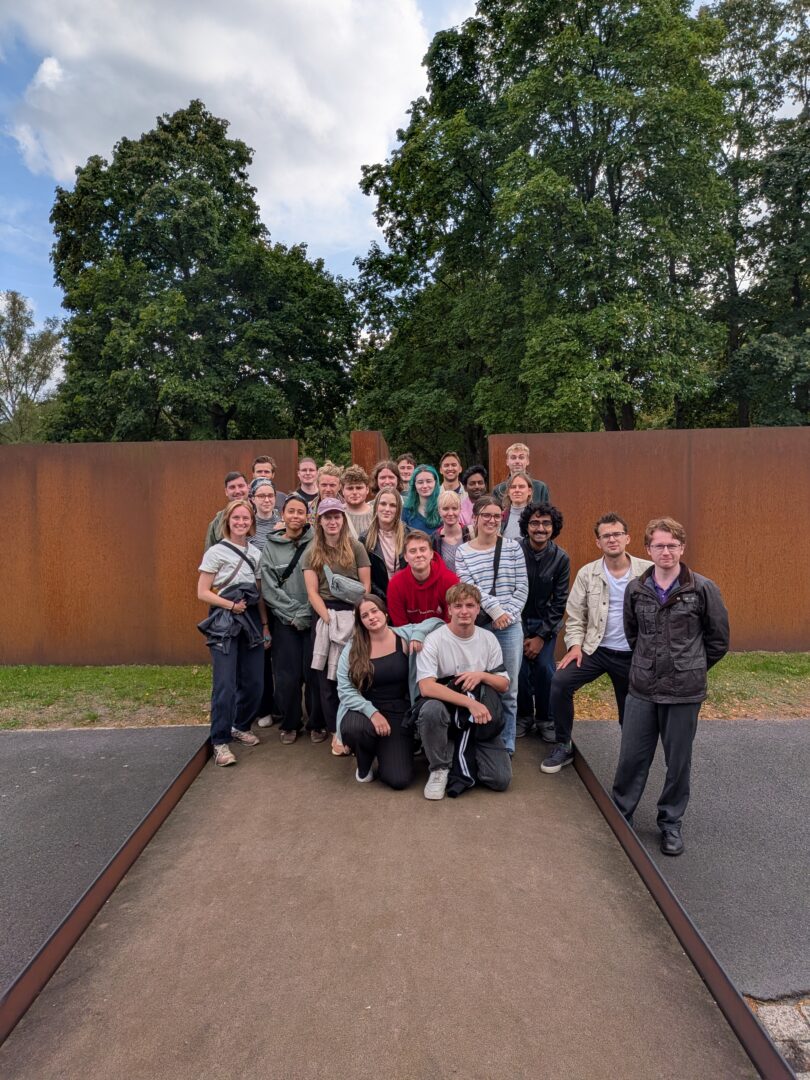

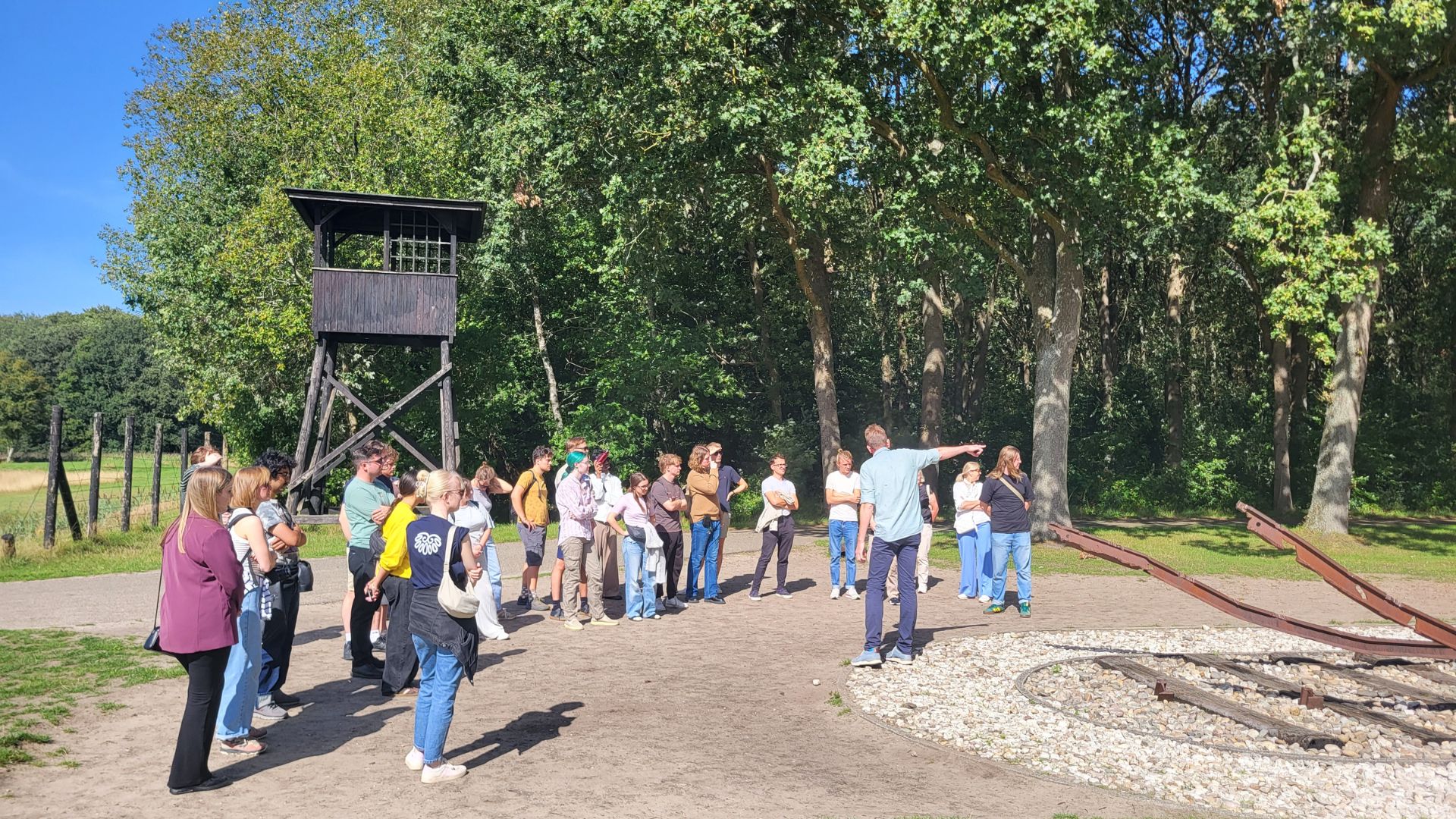
This September marks the return of LRE Youth’s activities, with the “From Westerbork to Bergen Belsen” youth exchange taking place from 7 to 10 September. This 4-day journey brought together 23 young people from Spain, France, Belgium, the Netherlands, the United Kingdom, Italy, Czechia, Poland and Germany to visit key remembrance sites that commemorate National Socialist transit and concentration camps in the north of the Netherlands and Germany.
The group followed an itinerary that traced the stories of persecution and deportation of hundreds of thousands of Jews, Sinti, Roma, forced labourers, prisoners of war, resistant fighters and other persecuted groups under the command of Nazi forces within Germany and across occupied territories.
On the first day, the young history enthusiasts visited Kamp Westerbork, a transit camp initially created by the Dutch government in 1939 to welcome Jewish refugees fleeing persecution from Austria and Germany and repurposed by the German occupiers in 1940 for the deportation of Jews, Sinti and Roma. The next day of the youth exchange led to northern Germany to dive into the history of the 15 labour camps in the Emsland region illustrated at the Esterwegen memorial site, an early Nazi concentration camp established in the summer of 1933 for so-called “political protective custody” (German: Schutzhaft) prisoners. The group received a very interesting overview of the Emsland camp system and the harsh living and working conditions there, as well as the acts of resistance, such as the “Moorsoldaten” song.
After an overnight stay in Bremen, the group headed to Bergen-Belsen Memorial, originally established as a prisoner of war camp, and becoming a concentration camp in 1943 for so-called “exchange Jews” that the regime planned to exchange for their own prisoners of war later. The visit included a guided tour over the large campgrounds with many mass burial mounds and the insightful documentation centre that is part of the memorial. There, participants did not only learn about what happened in Bergen-Belsen, but also about the camps’ liberation by British troops on 15 April 1945 and the weeks that followed it.
The week ended in Osnabrück with the visit of the Gestapokeller in the city’s castle, a former prison of the local Gestapo, and the Augustaschacht Memorial, located at the site of the former Ohrbeck “labour education” camp. Together, they address a lesser-known facet of the Nazi regime’s oppression of other European people: the violent action taken against foreign forced labourers by the Gestapo during WWII.
This youth exchange was a transformative experience for the young participants joining from all over Europe, who not only learned about the atrocities that happened in Nazi camps but also gained an understanding of the rise of the ideology that led to their construction before and during WWII. Despite the cruelty that the victims suffered in these places, the sites’ well-preserved natural environments fostered shared reactions, emotions, and reflection among the visitors. This atmosphere inspired discussions about the importance of remembrance, allowing everyone to return home with many new insights.
For more information on the LRE Foundation’s youth activities, upcoming events and site visits, follow @lre_youth on Instagram and check out the LRE Youth website.
The youth exchange was co-funded by the European Union.