
Exploring the Atlantic Wall: New LRE Walking and Cycling Routes Launched in the Netherlands

During the Second World War, the Atlantic Wall was a vast defensive system constructed by the German occupiers, stretching from Norway to Spain and intended to prevent an Allied invasion. This week, the Atlantic Wall Netherlands walking and cycling routes were officially launched at Fort Kijkduin in Den Helder, home to the Atlantic Wall Centre and one of the Netherlands’ most significant Atlantic Wall heritage sites.

Atlantic Wall Netherlands on the Liberation Route Europe

Developed by the LRE Foundation, the routes trace the Atlantic Wall from Zeeland through South and North Holland to Friesland and Groningen, offering insight into the historical developments that shaped the Netherlands in the lead-up to liberation and the restoration of freedom. For the first time, the story of the Atlantic Wall in the Netherlands can be explored as a connected experience through walking and cycling. Along the way, visitors encounter places and stories that reflect the complex and often confronting history of the Atlantic Wall.

The Atlantic Wall routes in the Netherlands are part of Liberation Route Europe, a Cultural Route recognised by the Council of Europe. Visitors can explore the routes on the LRE App or website via a dynamic map and route planner, encouraging active discovery of the regions along the Atlantic Wall.

650 kilometres of routes, stories and local loops

In total, the Atlantic Wall Netherlands routes cover more than 650 kilometres and include over 100 stories available in Dutch, English and German. The network consists of five long-distance walking and cycling routes running from Zeeland (105 km), through South Holland (150 km) and North Holland (180 km), to Friesland (100 km) and Groningen (105 km).

Along the main route, several shorter walking and cycling loops are connected: the Vlissingen Cycling Loop (45 km), the IJmuiden Loop (approximately 20 km for walking and cycling), and the Den Helder Loop (7 km walking and 12 km cycling). Together with additional routes, the full Atlantic Wall Netherlands collection comprises fourteen routes. A distinctive addition is the Wadden Sea area, which offers its own unique perspective on the Atlantic Wall landscape. Where possible, route locations are marked on site with QR codes and the Liberation Route Europe Vectors of Memory, and the collection is supported by an international awareness campaign.

The routes are aligned as closely as possible with the existing Dutch walking and cycling node networks. The often striking natural and coastal landscapes contrast with the histories encountered along the way, inviting reflection on the meaning and value of freedom.

Multiple perspectives are explored throughout the routes. Alongside the military history of the Atlantic Wall, attention is given to its impact on civilian life, collaboration and resistance, forced labour, bombardments, terror, and the ways in which these structures have been repurposed and integrated into today’s natural and cultural landscapes.

The Atlantic Wall Netherlands route collection was developed in close collaboration with historians, historical associations, bunker museums, and regional route planners and policymakers. The project was partially funded by Vfonds, which supports hundreds of initiatives each year that contribute to peace, freedom and democracy.

Ilomantsi Tourist Association Joins the LRE Foundation Network 

The LRE Foundation is pleased to welcome the Ilomantsi Tourist Association, custodian of the Ilomantsi Battlegrounds Trail, as a new member in Finland. With its remarkable concentration of wartime sites and landscapes, Ilomantsi offers one of the most extensive and immersive historical environments in Northern Europe, which now becomes an essential part of the LRE Foundation’s growing international network. 

A Region Marked by Two Wars 

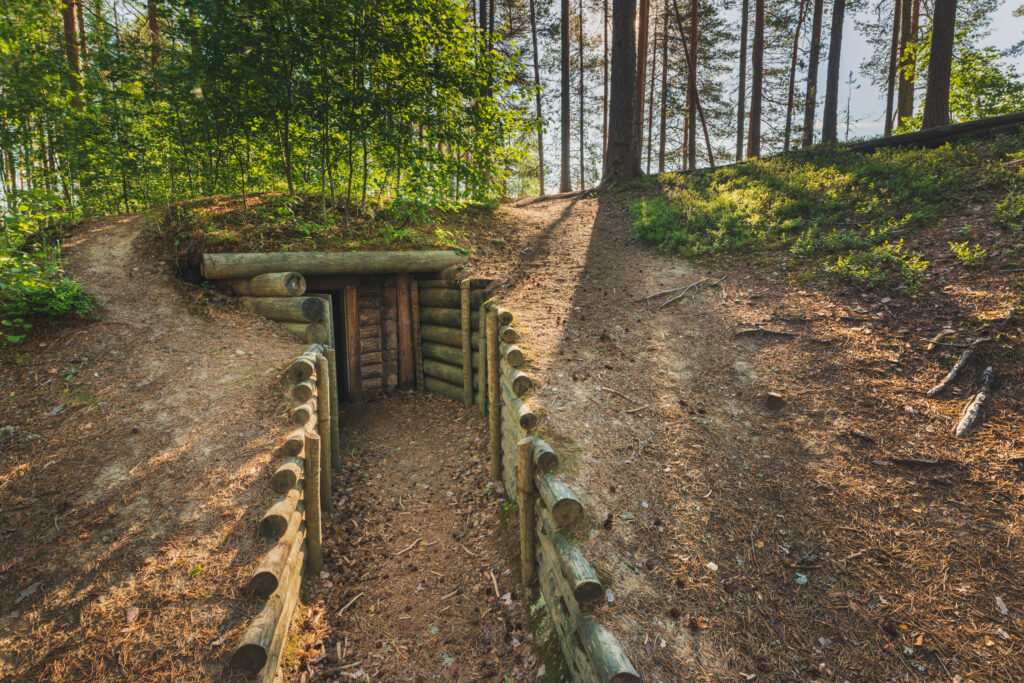
Ilomantsi holds a unique place in Finnish and European wartime history. It is the only municipality within Finland’s current borders that witnessed major division-level battles during both the Winter War (1939–40) and the Continuation War (1941–44). In total, an estimated 50,000 men fought in the area, leaving a dense constellation of sites that together tell the story of Finland’s eastern front. 

A 150-Kilometre Open-Air Archive 

The Ilomantsi Battlegrounds Trail, a 150-kilometre network of roads, connects dozens of historical touchpoints: memorials, restored fighting positions, museums, information boards, wartime buildings, and other preserved locations. With every site situated by the roadside or close to it, visitors can explore Ilomantsi’s wartime legacy with exceptional ease and depth. 

This comprehensive approach to preservation and interpretation makes Ilomantsi a model for how rural wartime landscapes can be activated to support remembrance, education, and sustainable tourism. 

Why Ilomantsi Matters to the LRE Network 

Strengthening our presence in Finland has been a long-standing goal for the LRE Foundation. Ilomantsi brings to the network: 

  • A uniquely well-preserved and accessible wartime landscape, rare in its scale and continuity. 
  • A strong local commitment to remembrance, demonstrated by decades of research, reconstruction, and educational work. 
  • A strategic location, linking the Nordic region more closely to Liberation Route Europe’s multi-perspective narrative of the war. 

By bringing Ilomantsi into the network, we not only expand the geographical reach of the Liberation Route but also enrich the diversity of stories and perspectives represented across Europe

“Although the Winter War and the Continuation War have been regarded as separate wars between Finland and the Soviet Union, it is important to view them in a European context.” says Eero Tuomisto, Executive Director of Ilomantsi Tourism Association“Ilomantsi has always been between East and West, and this has shaped our lives. The Battlegrounds Trail is a good reminder of how superpower politics can affect even the most remote areas.” 

Having visited Ilomantsi last May, I saw how the Battlegrounds Trail offers an educational journey amongst the area’s atmospheric natural landscape” adds Emme Johnson, LREF Project Manager. “ We’re proud to collaborate with the Ilomantsi Tourist Association and connect this remarkable region to our wider European narrative. I look forward to bringing the sites and stories of Ilomantsi’s Battlegrounds Trail into the Liberation Route trails network” 

The University of Wrocław and LRE Foundation sign a Memorandum of Understanding 

The Institute of History of the University of Wrocław and LRE Foundation are pleased to announce the signing of the Memorandum of Understanding. This agreement is an important step towards incorporating Polish academia, which values a reliable and modern approach to historical education, into our network. 

As a renowned research centre, the Historical Institute of the University of Wrocław brings expert knowledge, rich research experience, and strong teaching facilities to this agreement. Its involvement naturally complements the LRE Foundation’s mission to preserve and valorise the memory of the Second World War, making this history relevant and accessible, especially for younger generations. This is not the first point of contact between the two institutions: Prof. Joanna Wojdon, Head of the Department of History and Social Studies Education at the Institute, also serves on the LRE Foundation’s Historical Advisory Board, an ongoing involvement that further strengthens the foundations of this new partnership.

The signed memorandum paves the way for joint educational projects promoting history, workshops, seminars, and initiatives aimed at both young people and adults. The cooperation will include not only activities in Poland, but also future international projects, emphasising the importance of 20th-century history for contemporary Europe and the world.  

The combination of the experience of both institutions will create a space for the exchange of knowledge and the strengthening of social awareness of historical heritage. This is an inspiring step forward that reinforces our common goal of shaping a society that is sensitive to history and the need to preserve it for future generations. 

Establishing cooperation with the University of Wrocław gives us an opportunity to implement ambitious and valuable educational projects, which also contribute to expanding our network in Poland. This is an important step that will allow us to effectively popularize history and build informed memories of the past. – Joanna Roman, Director of LRE Poland. 

Registrations Now Open for the LRE Forum 2026 in Arnhem & Nijmegen 

The LRE Foundation is pleased to announce that registrations for the 10th edition of the LRE Forum are now officially open. We warmly invite all our members, partners, tour operators, and everyone interested in the future of remembrance and cultural heritage to join us from 9 to 12 March 2026 in Arnhem and Nijmegen, two historic cities in the province of Gelderland, a region rich in WWII heritage and cultural landmarks. 

This year marks a special edition of the LRE Forum, organised in partnership with the City of Arnhem, the City of Nijmegen, and the Province of Gelderland. The programme introduces new events and refreshed formats while continuing the traditions and signature moments that have shaped the Forum’s identity over the years. 

Programme Overview  

The 2026 programme brings participants together across both host cities through a series of thematic events designed for learning, exchange, and collaboration.  

The Forum kicks off on 9 March in Nijmegen with an Opening Event which also marks the official launch of the Art of Remembrance exhibition, an EU-funded project that reimagines WWII remembrance by blending historical narratives with contemporary art. Earlier in the afternoon, members can join the “Discover Nijmegen” City Walk, a relaxed introduction to explore the history and cultural heritage of the oldest city in the Netherlands. 

On 10 March, activities move to Arnhem. The morning begins with the LRE Member Seminar, a key moment for LRE members to share updates, discuss new initiatives, and connect with colleagues from across the network. 
Immediately afterwards, the LRE Conference will bring together leading experts to explore how remembrance can evolve in a world where the wartime generation is nearly gone. With fewer living witnesses and new global challenges – from misinformation and extremism to the rise of discrimination – the responsibility to engage younger generations with the lessons of WWII is more urgent than ever. In this context, our conference titled “Beyond the 80th Anniversary: The Future of WWII Remembrance” will examine how to reimagine the preservation and transmission of memory through digital innovation, renewed educational approaches, multi-perspective historical narratives, and more inclusive forms of commemoration. The full list of international speakers will be announced in the coming weeks.

The evening of 10 March will conclude with the LRE Gala, an invitation-only event for LRE members and key partners. 

On 11 March, the focus shifts to professional exchange with the LREXPO in Arnhem, where destinations, museums, remembrance sites, and cultural institutions meet travel professionals to present their work and explore collaboration opportunities. 

Throughout 11 and 12 March, members are invited to join site visits across Gelderland. These guided tours highlight the region’s WWII history, with particular attention to Operation Market Garden and the local wartime experience. 

Finally, a new addition to the programme, the Youth Forum, will take place in Nijmegen. While the dates will be announced soon, this new event will offer young participants discussions, workshops, and visits to remembrance sites to reflect on the relevance of WWII history today. 

For an overview of the complete programme, click here. 
To secure your place at the Forum, register here. 
Access to events varies depending on membership status.

We look forward to welcoming you in Arnhem and Nijmegen from 9 to 12 March 2026 for this new edition of the LRE Forum. 

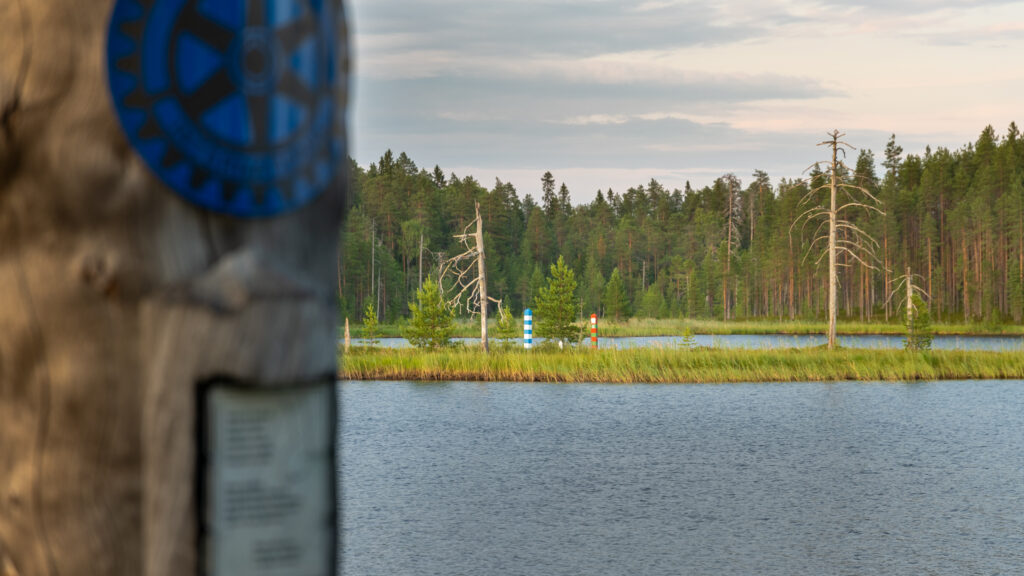
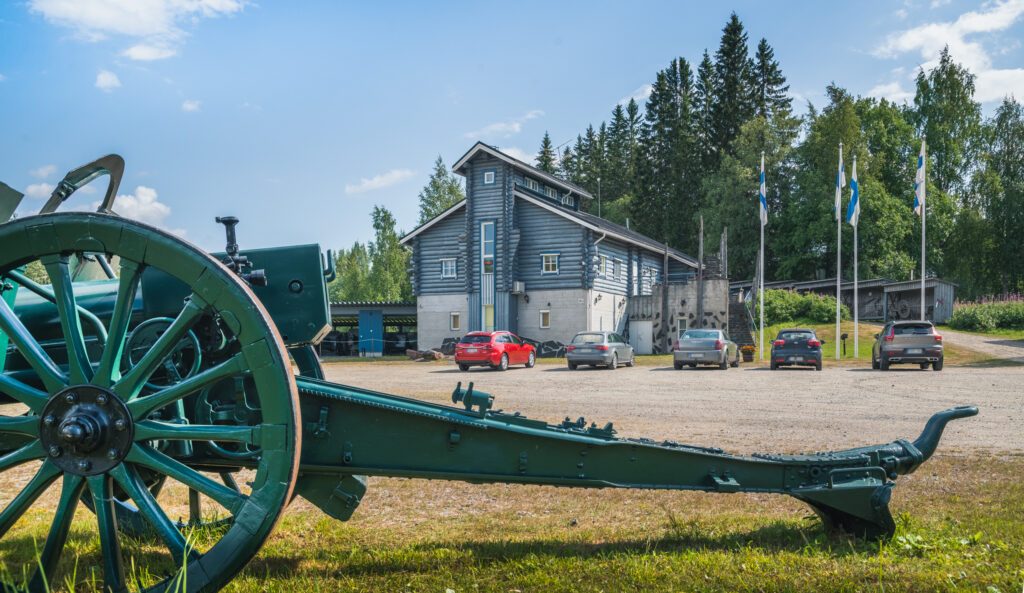
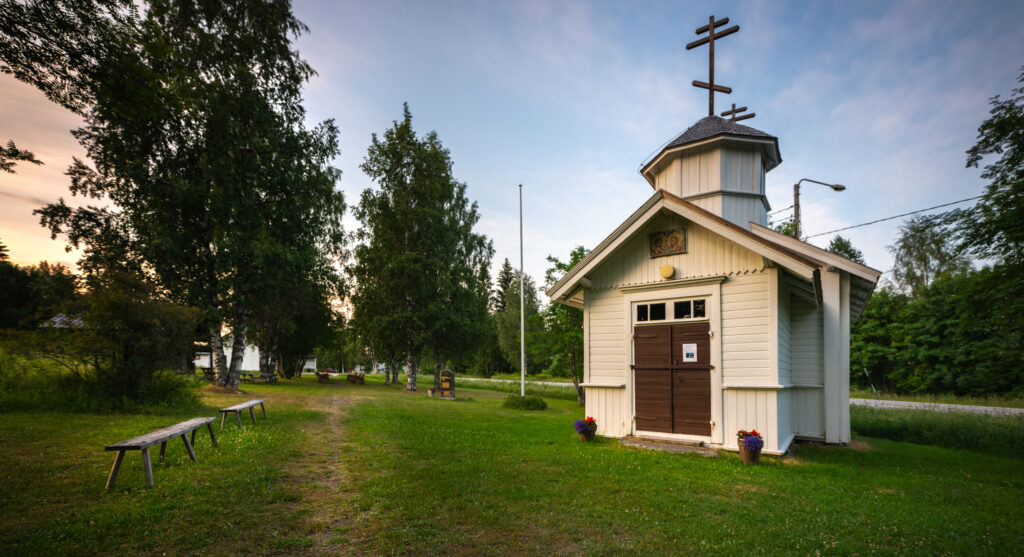
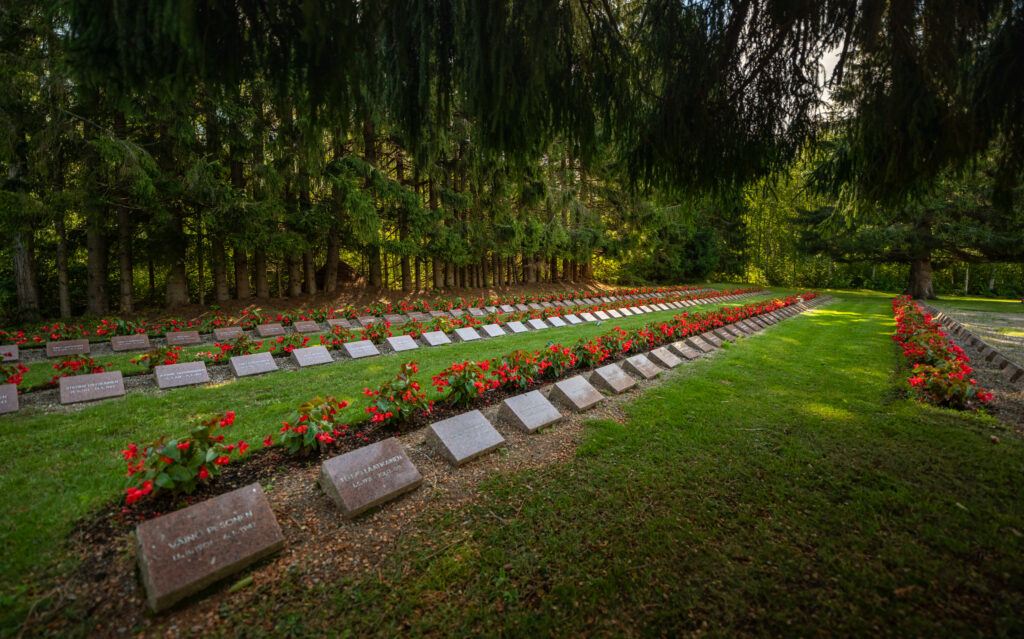
The LRE Foundation Welcomes Its Newest Member in Finland: The City of Kuhmo 

The LRE Foundation is pleased to announce a new and important step in strengthening its presence in Finland: the City of Kuhmo has officially joined our international network. After welcoming the Muisti Centre of War and Peace, followed by the Municipality of Miehikkälä together with the Salpa Line Museum, Kuhmo now becomes the third Finnish member of the Foundation. Its addition marks a significant step toward bringing Finland’s lesser-known but deeply meaningful Second World War history into the broader European narrative of remembrance. 

Finland’s wartime history is distinct within Europe. During the Second World War, the country fought two separate conflicts against the Soviet Union: the Winter War (1939–1940) and the Continuation War (1941–1944). Finland’s geographical position on the Soviet border, as well as its military strategies and political decisions, played a substantial role in shaping events on the Eastern and Northern Front. 

Kuhmo: A Landmark of the Winter War 

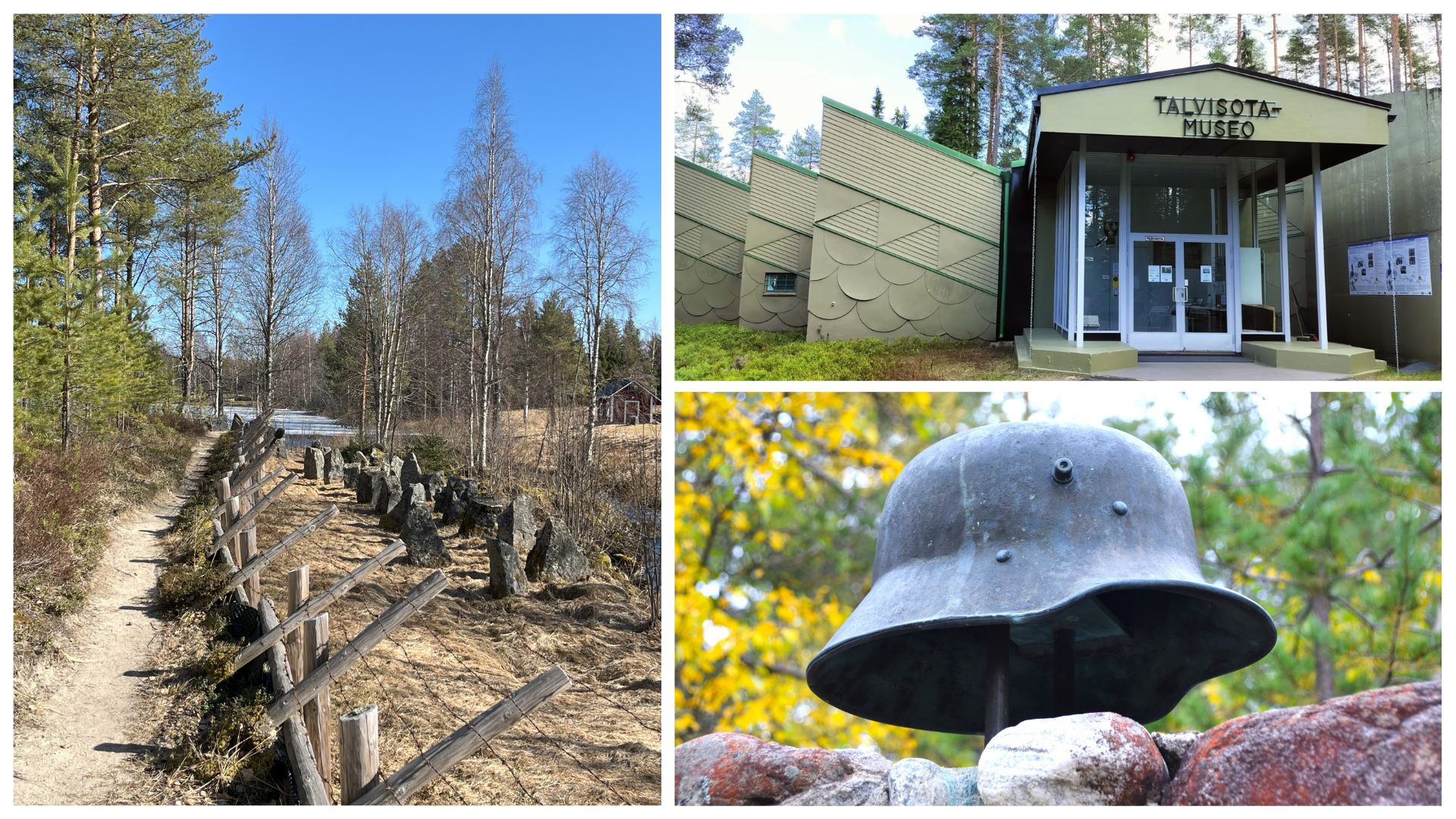
Located near Finland’s eastern border, Kuhmo is one of the country’s most historically significant Winter War locations. Here, the fighting continued throughout the entire conflict, mirroring the Winter War itself in miniature: defensive battles, guerrilla attacks, fierce counterattacks, and devastating motti battles. 

Today, Kuhmo preserves an extraordinary series of historical locations, memorials, and restored structures that help visitors understand the lived experience of soldiers and civilians during the conflict. From the battle sites of Kilpelänkangas, Saunajärvi, and Jyrkänkoski to the Kuhmo Winter War Museum, visitors can gain an in-depth understanding of the operations fought in the region. 

A New Chapter of Cooperation 

By becoming a member of the LRE Foundation, the City of Kuhmo joins a growing global network dedicated to preserving memory, promoting transnational cooperation, and making Europe’s WWII heritage accessible to a wider audience. Kuhmo’s landscapes, stories, and historical sites enrich the European map of remembrance, offering visitors a powerful perspective on resilience, strategy, and the lived experience of war in the Northern front. 

We look forward to working with Kuhmo and our Finnish partners to develop new routes, educational projects, and activities that highlight Finland’s important place in Europe’s wartime history and collective memory. 

“City of Kuhmo is pleased to join the LREF community in honour of the 86th anniversary of the outbreak of the Winter War (30 November 1939). Kuhmo has a rich history and numerous sites related to the Winter War, which can now be prominently showcased to international actors interested in Second World War history through the LRE network.” – Mr. Pekka Horttanainen, Business Manager, City of Kuhmo. 

Kick-Off of the LRE Youth Ambassadors Network Project

Last week, project partners from across Europe gathered at the LRE Foundation Brussels office for the kick-off of the LRE Youth Ambassadors Network project, a new Erasmus+ Programme initiative designed to engage young people in World War II remembrance. The project aims to provide a structured, long-term platform for young individuals aged 15-30, enabling them to deepen their historical understanding and actively contribute to preserving and interpreting WWII history. 

At its core, the project responds to a pressing challenge: maintaining the engagement of young people in long-term WWII remembrance. Through in-person events, online trainings, and creative digital output, the programme empowers participants to become active multipliers of remembrance in their own communities. 

This project is implemented by a strong partnership of LRE Foundation (coordinator), Studio Globo (Brussels, Belgium), Interpret Europe (Potsdam, Germany), Max Mannheimer Study Center (Dachau, Germany), Museum of the Second World War (Gdańsk, Poland), Post Bellum (Prague, Czech Republic), and Tourism, Culture and Heritage association (Bastogne, Belgium). Each organisation contributes specific expertise, from historical education to youth facilitation and digital storytelling. 

The two-day meeting in Brussels marked the official start of the project. Partners aligned on objectives, discussed timelines and responsibilities, reviewed the structure of project tasks, and shared ideas to maximise Youth Ambassadors’ engagement and capacity-building opportunities. Participants also introduced their organisations, laying the groundwork for a collaborative and impactful network. The meeting concluded with a clear roadmap for the coming months. 

“It is an exciting moment for all of us, and I’m grateful for the active involvement of our partner organisations, whose expertise and collaboration make this project possible. We look forward to working with young people across Europe, supporting their engagement in remembrance activities, and seeing how they bring fresh ideas and energy to the network“- Joanna Roman, Project Manager at the LRE Foundation