LRE Foundation welcomes Memorial Centre Apeldoornsche Bosch as a new member.
Located in the city of Apeldoorn, in the province of Gelderland, Het Apeldoornsche Bosch was a Jewish psychiatric institution and renowned clinic founded in 1909 by the Society Central Israelite Mental Asylum in the Netherlands.
During the first two and a half years of the Second World War, the institution was not touched by the Nazis and continued to operate. This changed on the tragic night of 21 January 1943, when the occupying forces brutally evacuated Het Apeldoornsche Bosch. More than 1,100 patients and staff members were deported to Auschwitz, where they were murdered. On 22 January and 1 February, a further 282 people were transported to the Dutch transit camp Westerbork located in the Province of Drenthe. From these two transports, only 21 people survived the war.
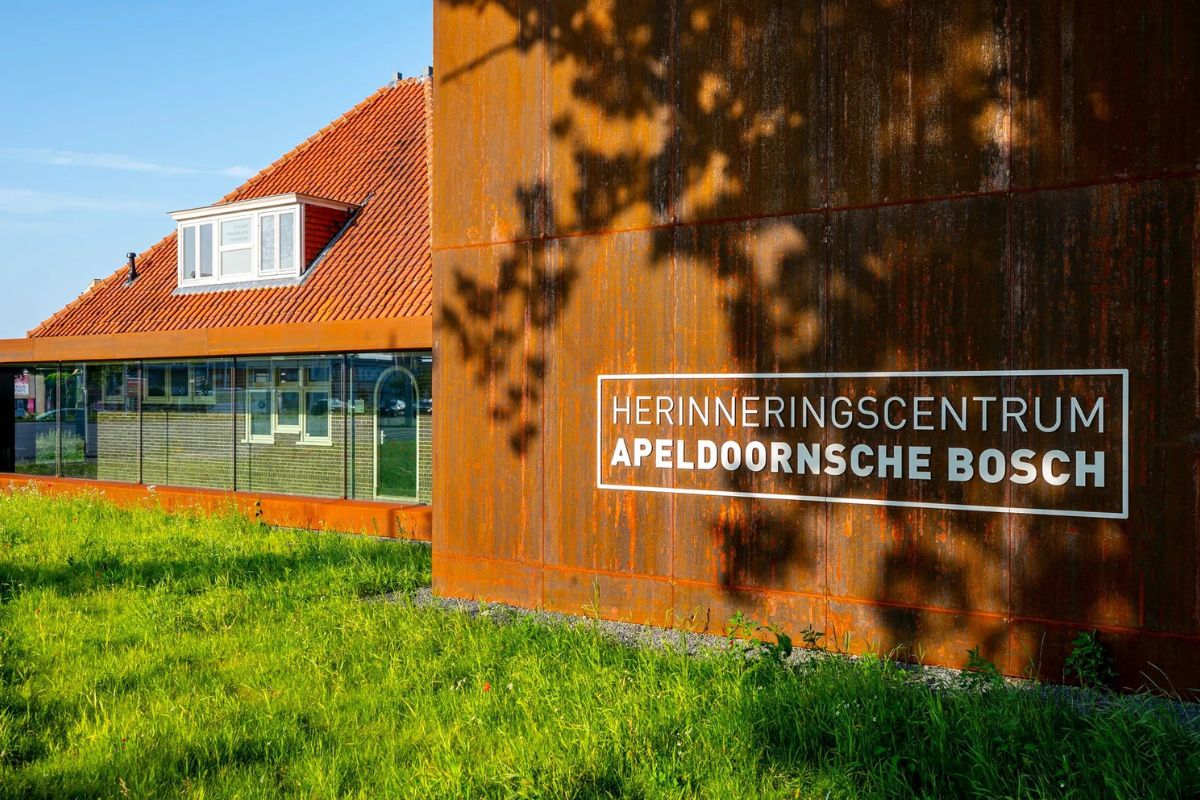
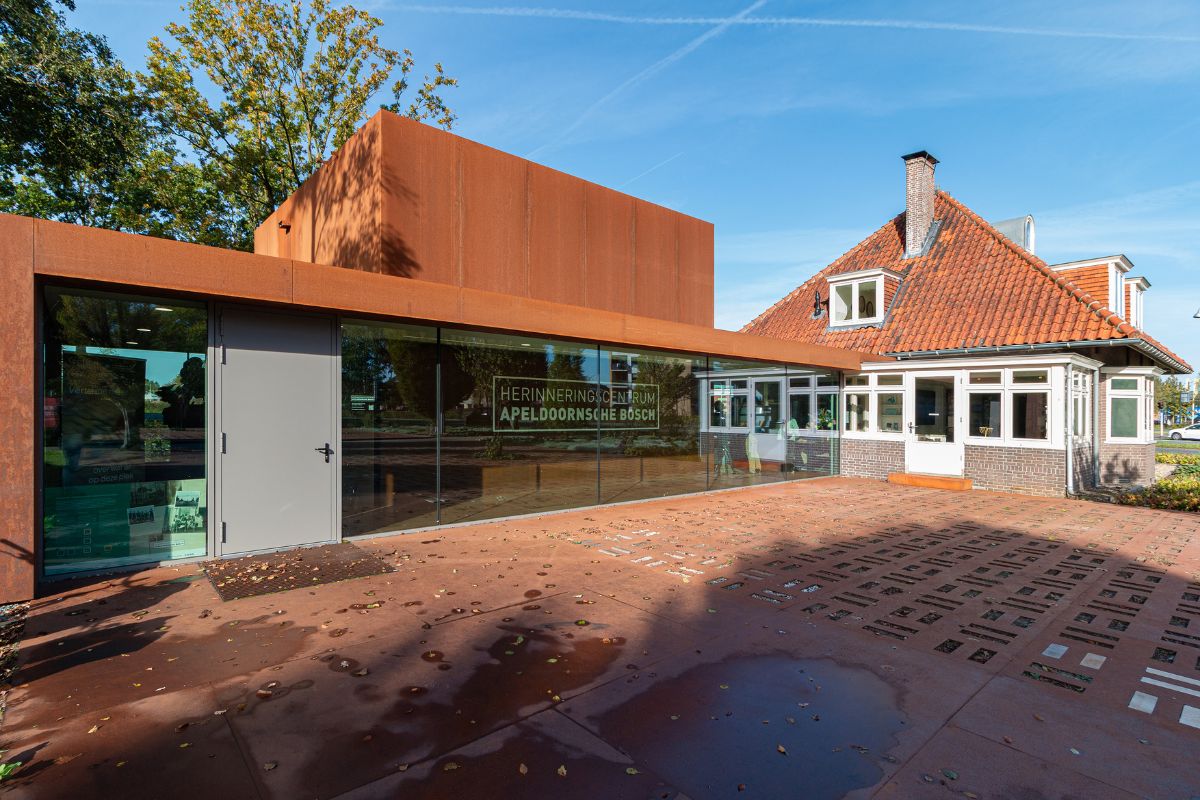
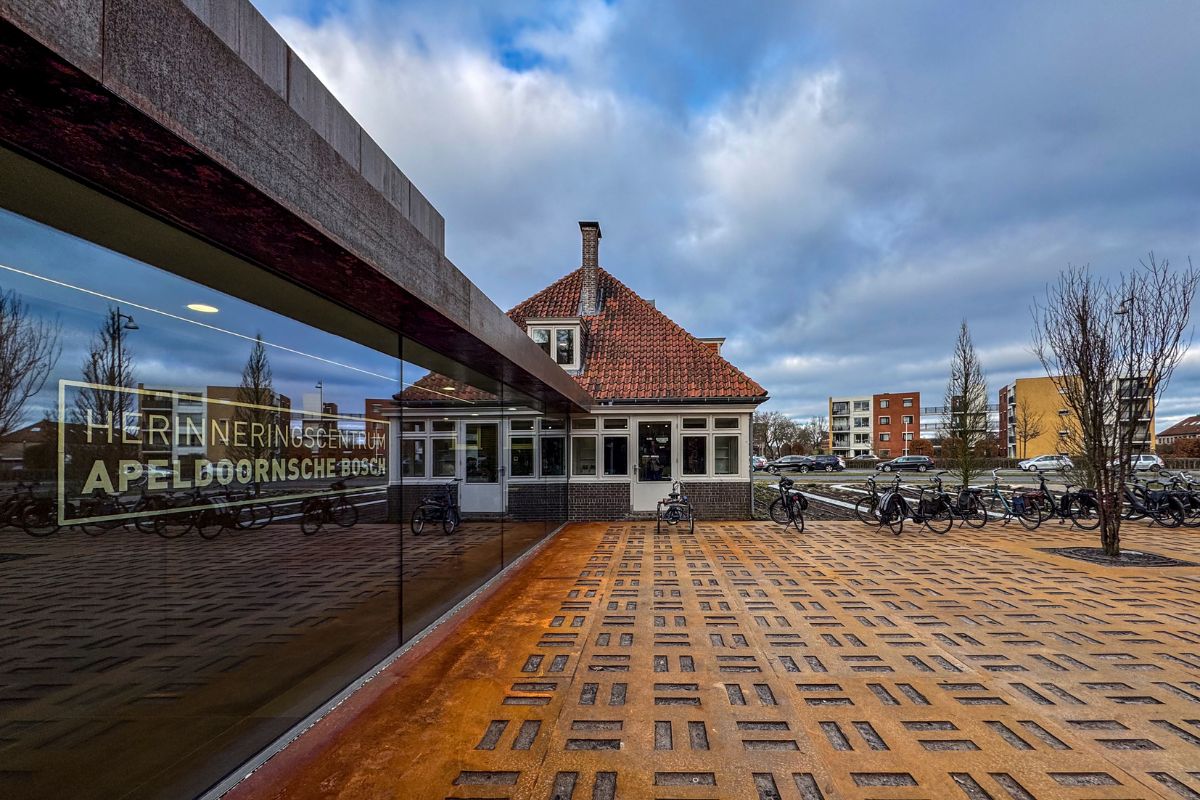
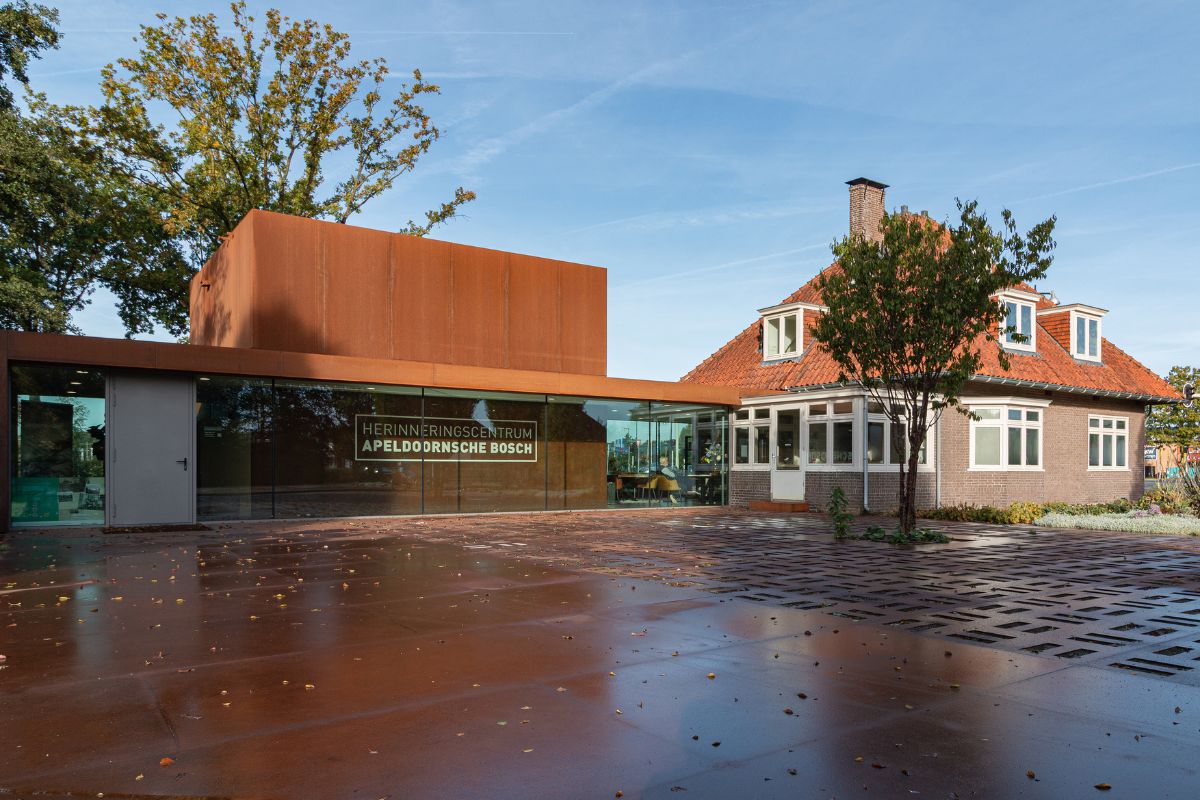
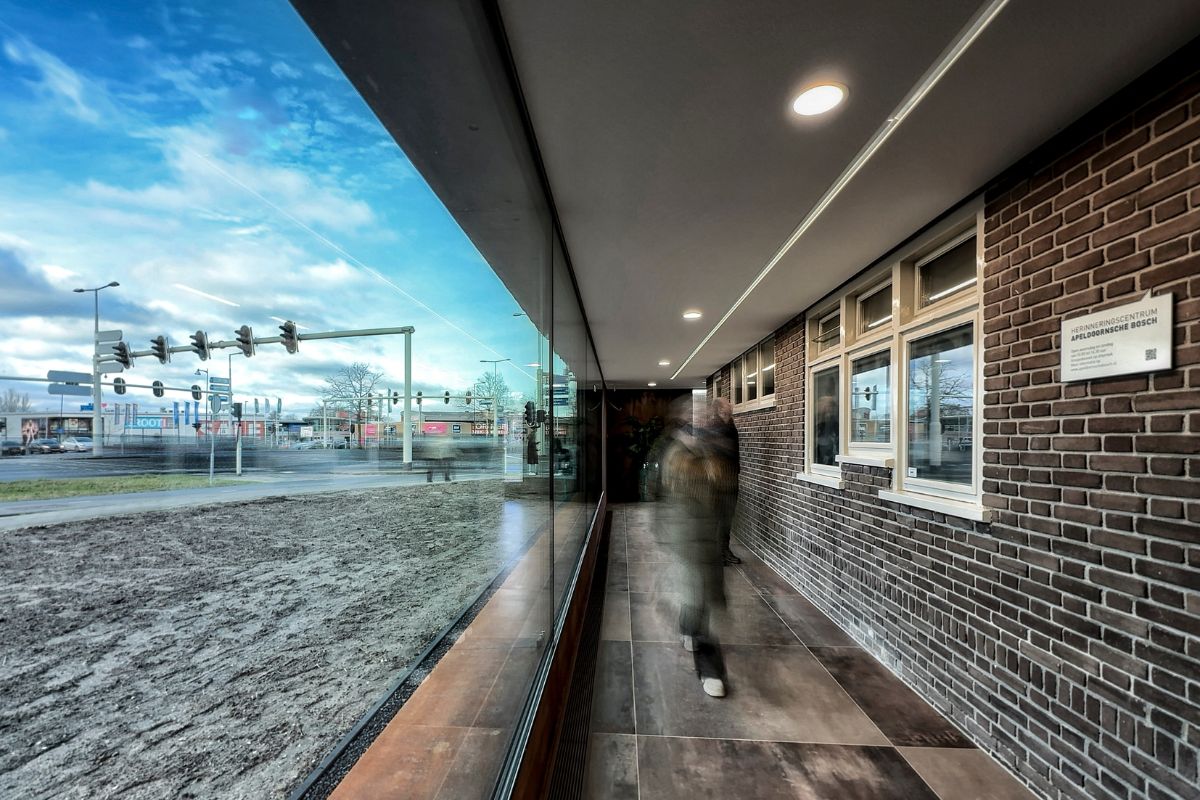
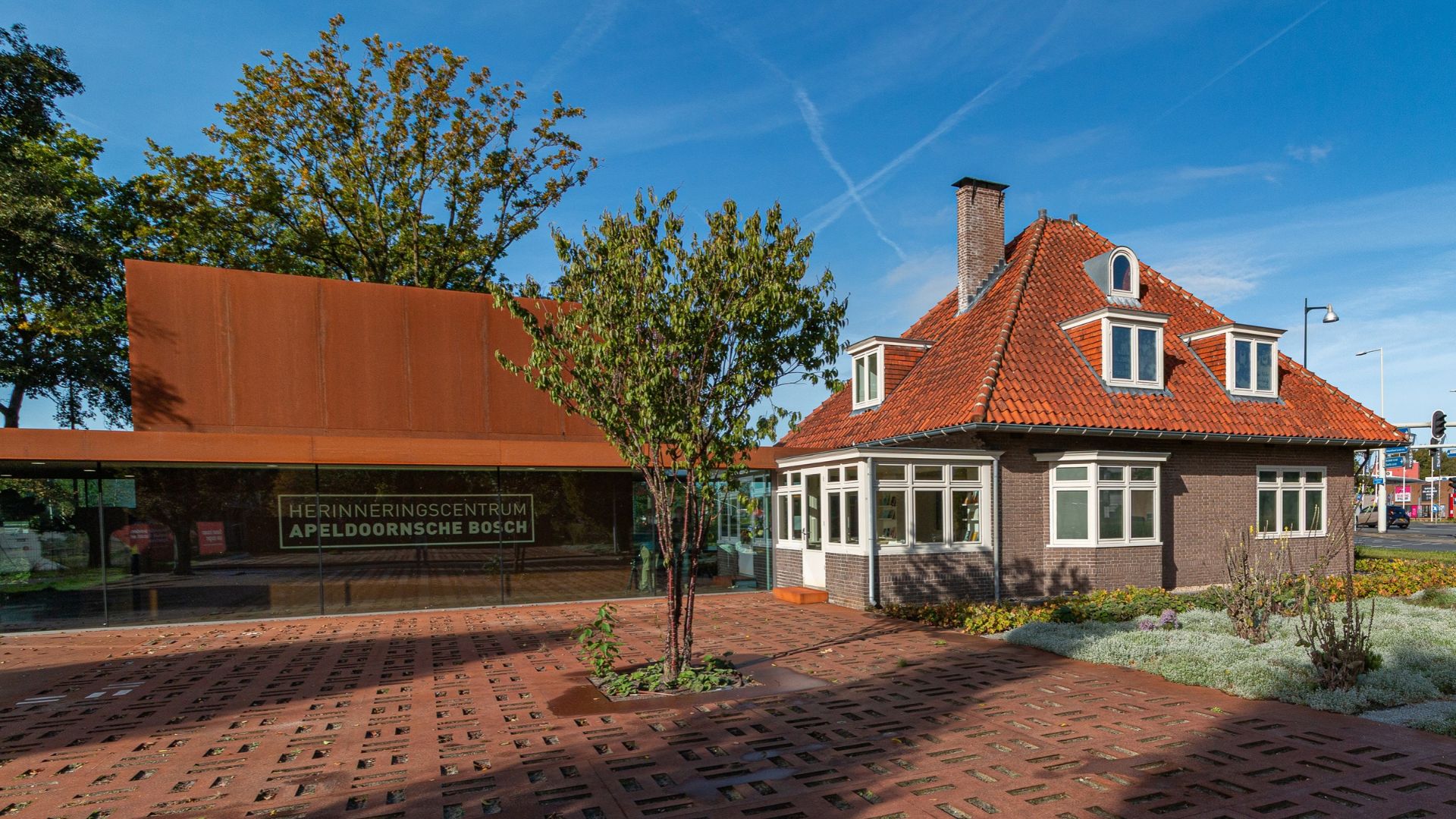
Today, the Memorial Centre, located in the former villa of the institution’s assistant director, tells the story of Het Apeldoornsche Bosch. It features an exhibition on the history of the institution that also explores present-day themes of freedom, friendship and safety. The Memorial Centre is also committed to engaging younger generations through dialogue, educational programmes and activities for primary and secondary schools, as well as institutions providing intermediate and higher vocational education. Its programmes are specifically designed to make the Memorial Centre a welcoming and meaningful place for children and adolescents.
For Femke Akerboom-Beekman, Project Manager at Het Apeldoornsche Bosch, the history of the institution has international significance:
“The history of Het Apeldoornsche Bosch, the Jewish psychiatric institution as it existed from 1909 until its brutal evacuation in January 1943, is of international significance. Its importance extends beyond the historical context and is particularly relevant to the present day, helping to foster conversation and dialogue between people, across generations and from a wide range of perspectives. This collaboration is therefore of great importance and holds considerable significance in many different ways. We are deeply grateful to the organisation for its contribution and commitment.”
By joining the LRE Foundation network, the Memorial Centre strengthens the network’s perspectives on Holocaust remembrance and education. Its programmes and expertise will contribute to the exchange of knowledge and the preservation of historical memory for future generations.