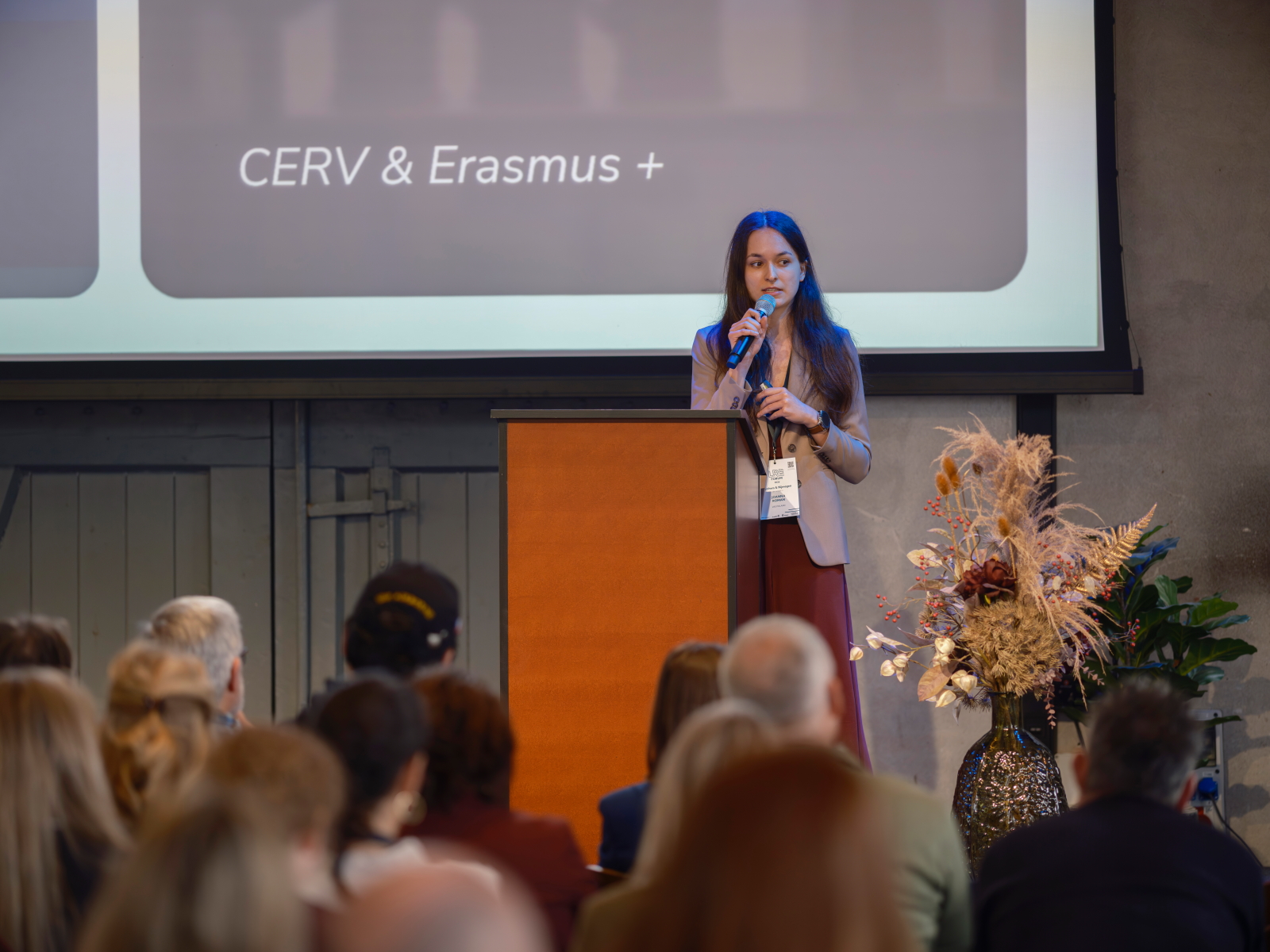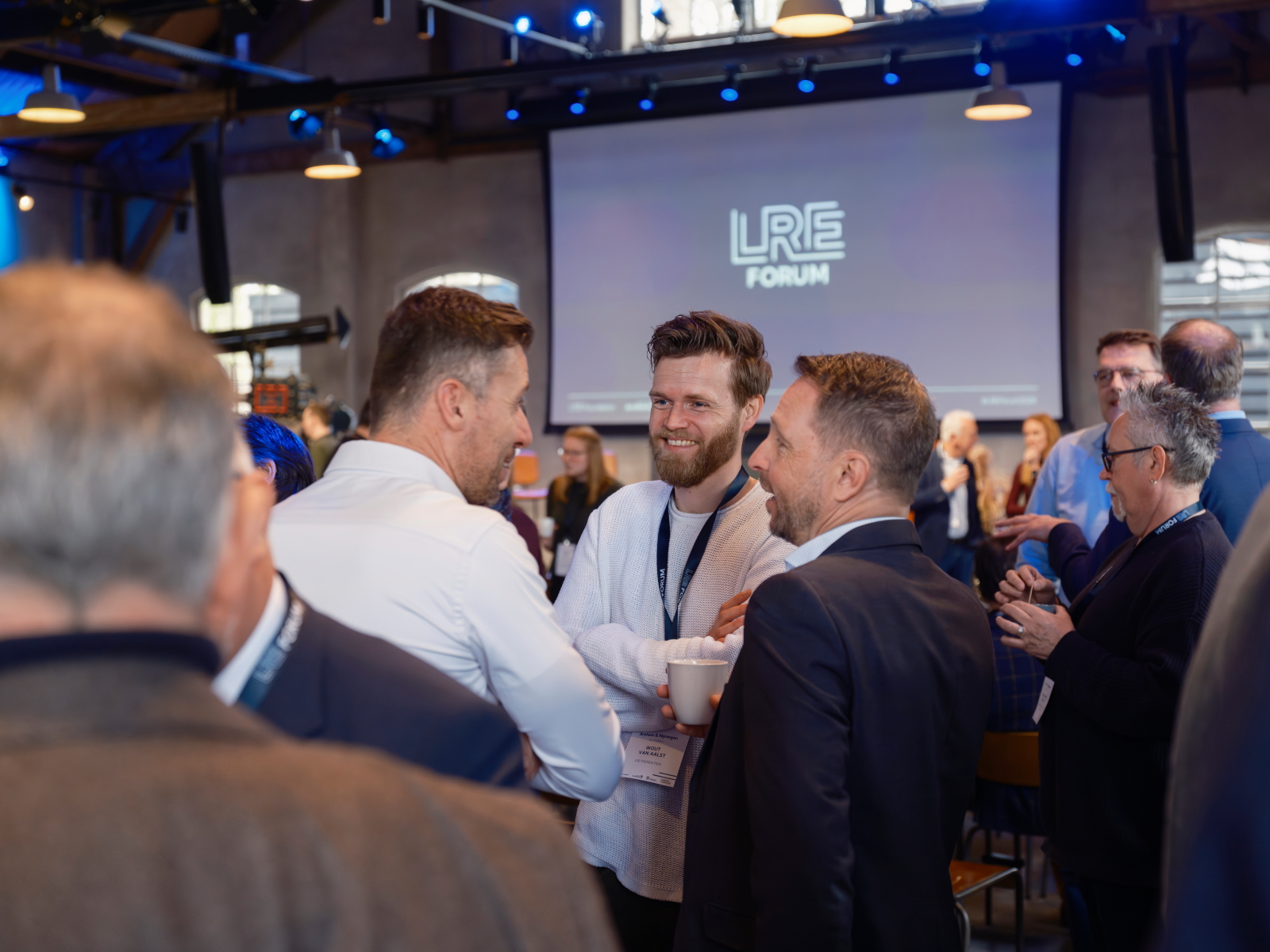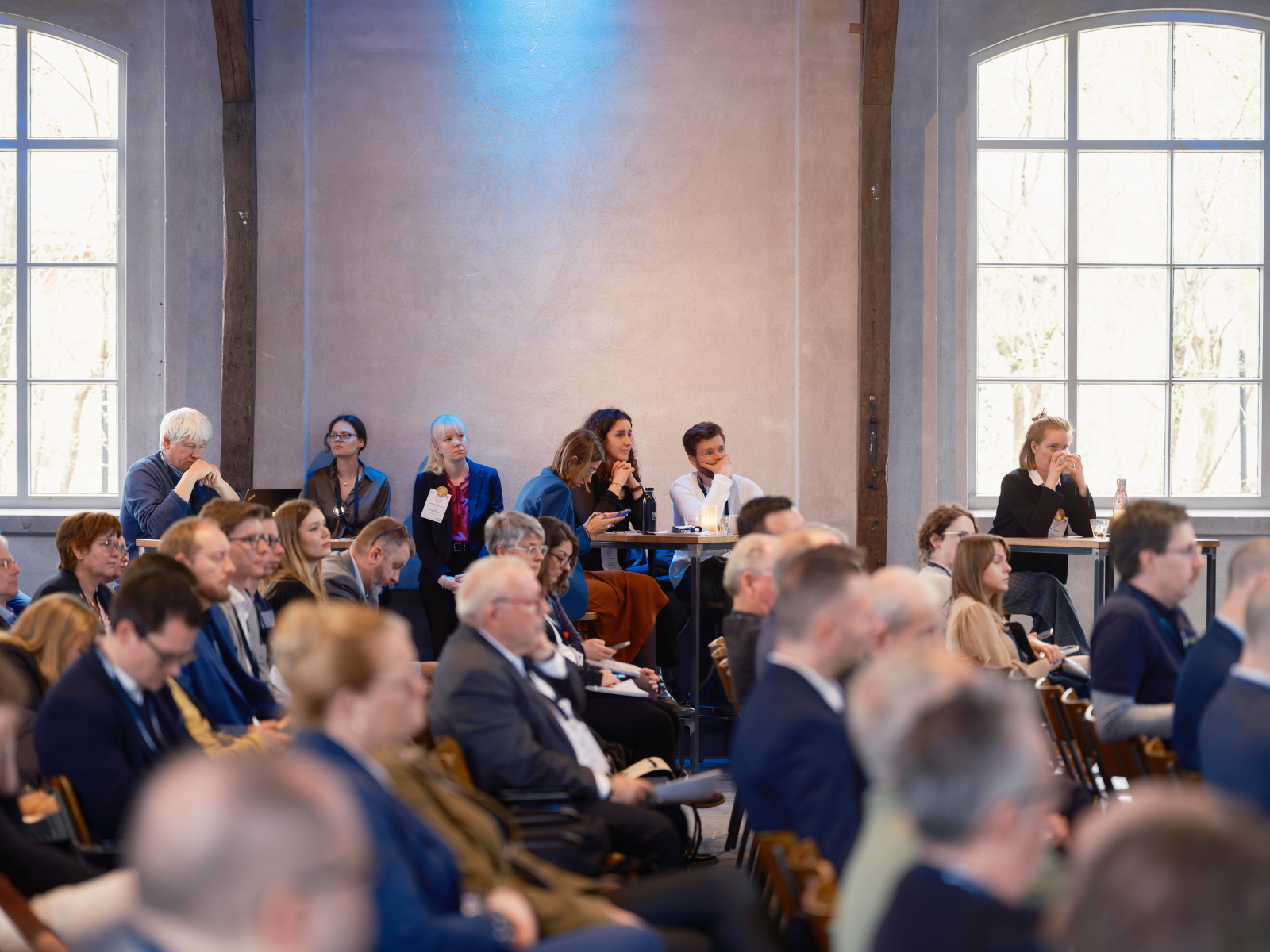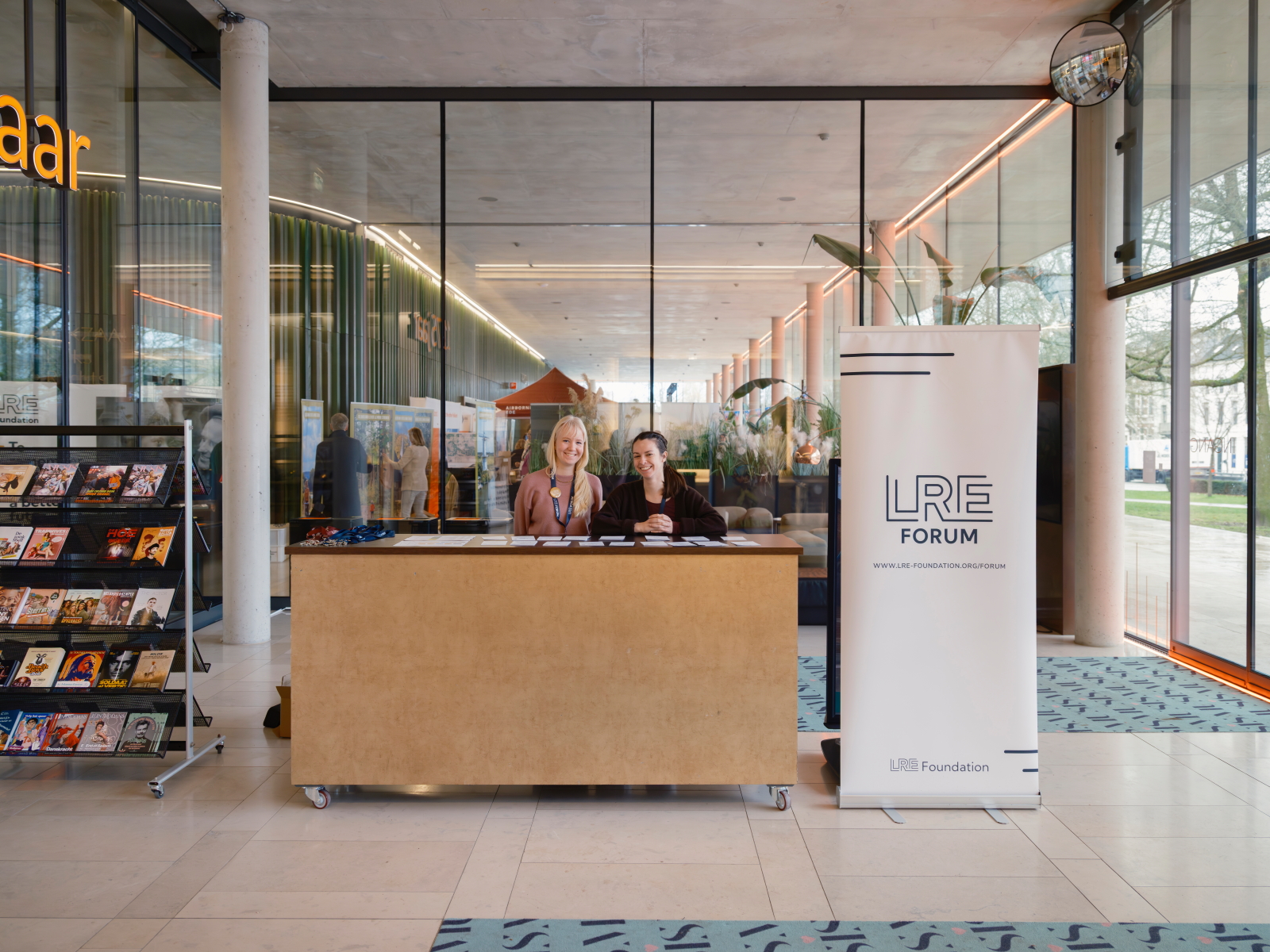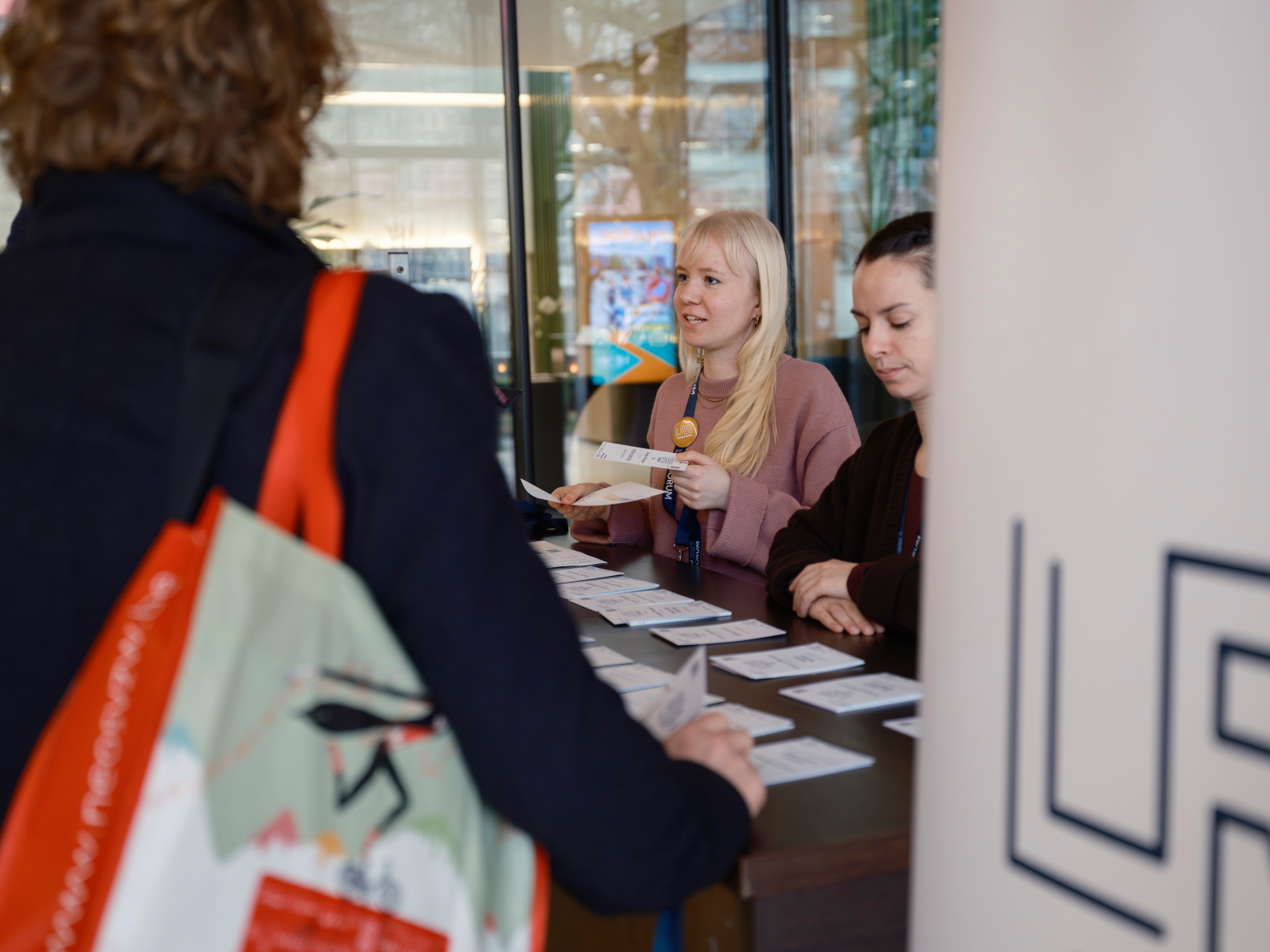


From 9 to 12 March 2026, the LRE Forum returned to where it all began: Gelderland. It was here, in the Arnhem–Nijmegen region, that the foundations of the LRE network were first laid in 2008, when a group of museums and regional partners began working together to connect WWII sites and stories through what would become the Liberation Route. Bringing the Forum back to this region had both symbolic and practical value: it marked the origins of the network while allowing participants to experience firsthand the places and sites that shaped its development.
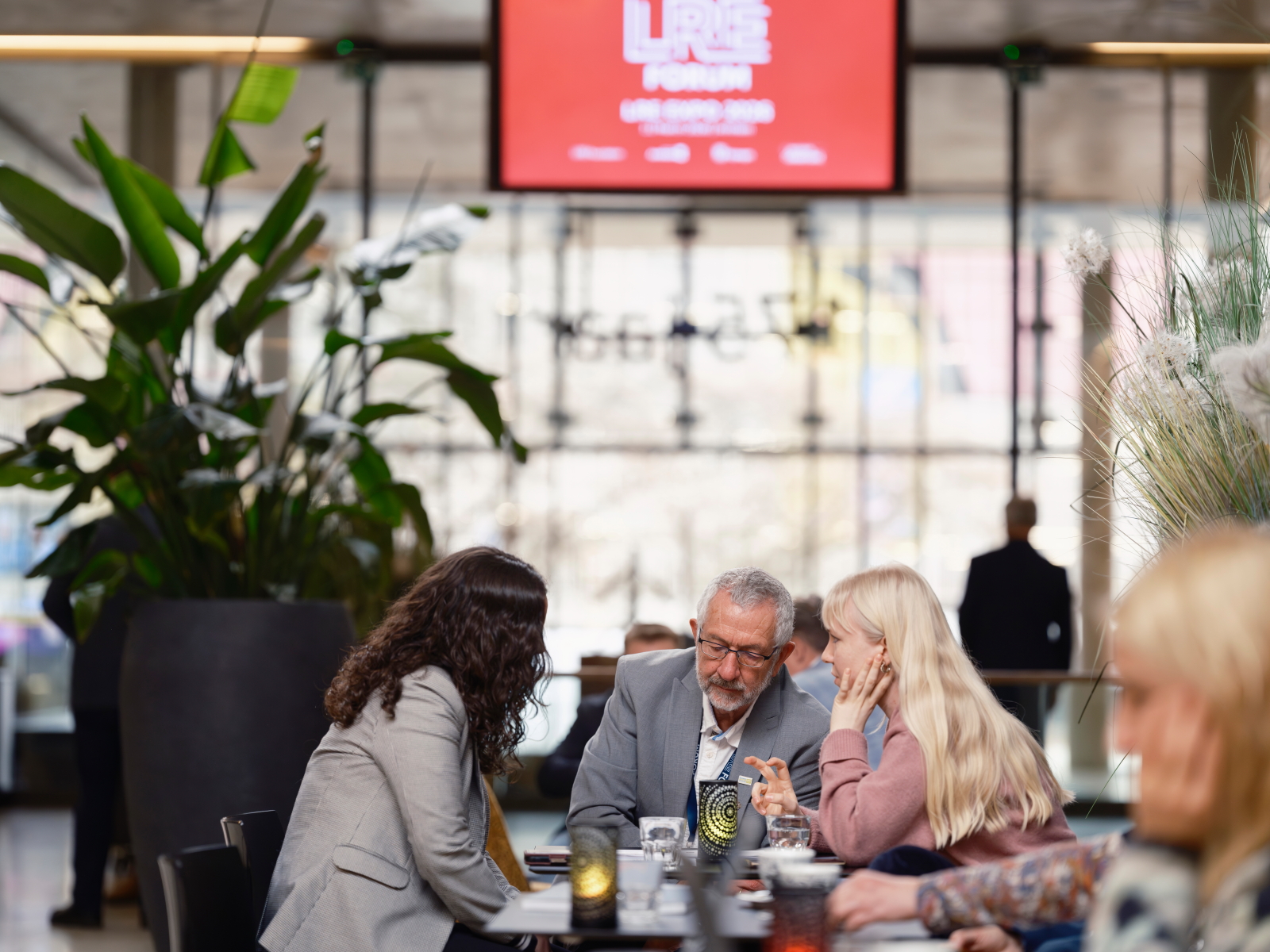
This year’s edition was organised by the LRE Foundation, with the support of the cities of Arnhem and Nijmegen and the Province of Gelderland. Over four days, members, partners, artists, educators, and travel professionals came together to reflect on the past while working on what comes next for WWII remembrance in Europe.
A kick-off in Nijmegen: City Walk and the Art of Remembrance Opening
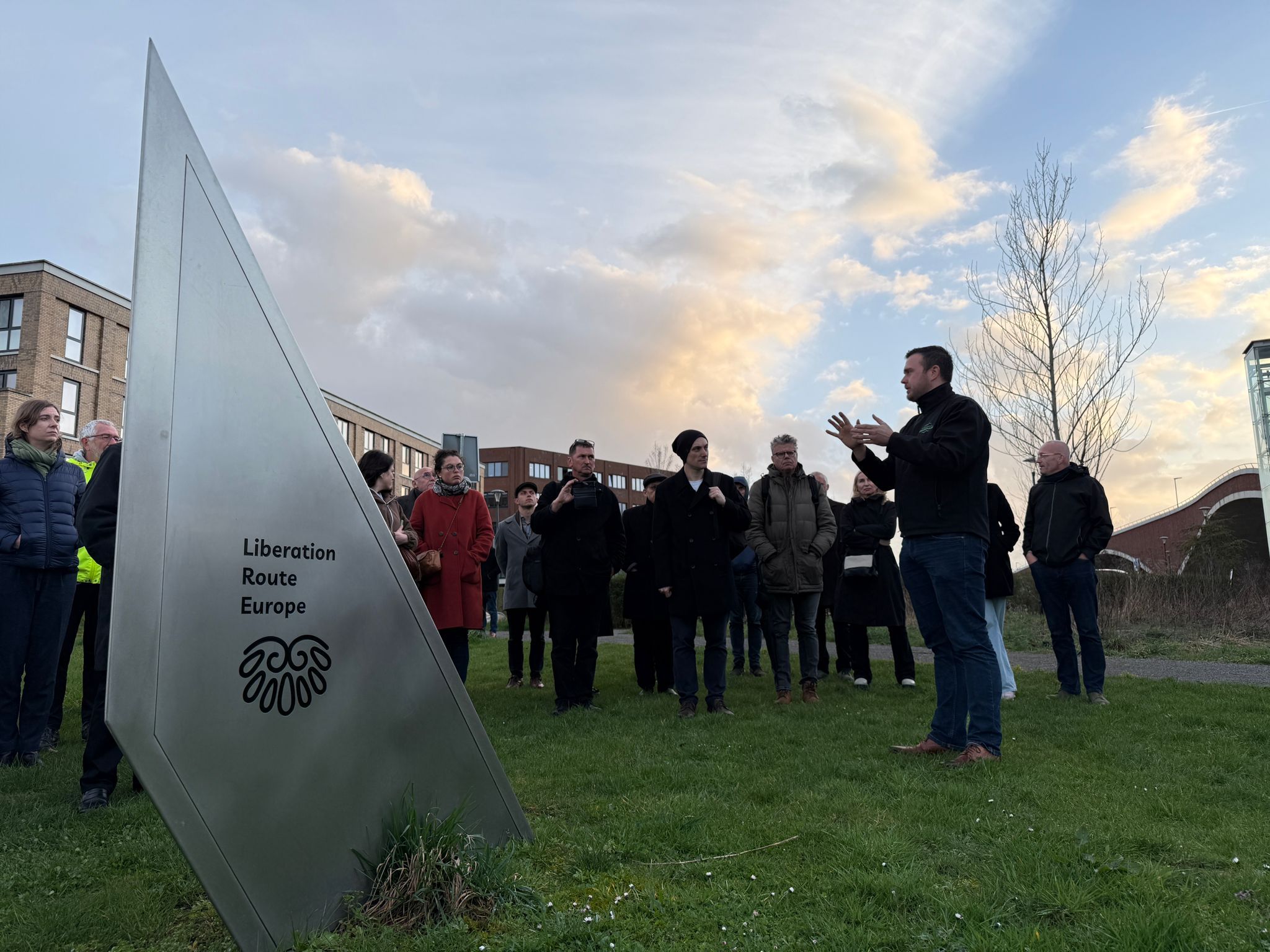
The Forum opened in Nijmegen, with a simple gesture: walking together.
The Discover Nijmegen City Walk took participants through the city’s wartime history, offering a shared starting point for the programme.
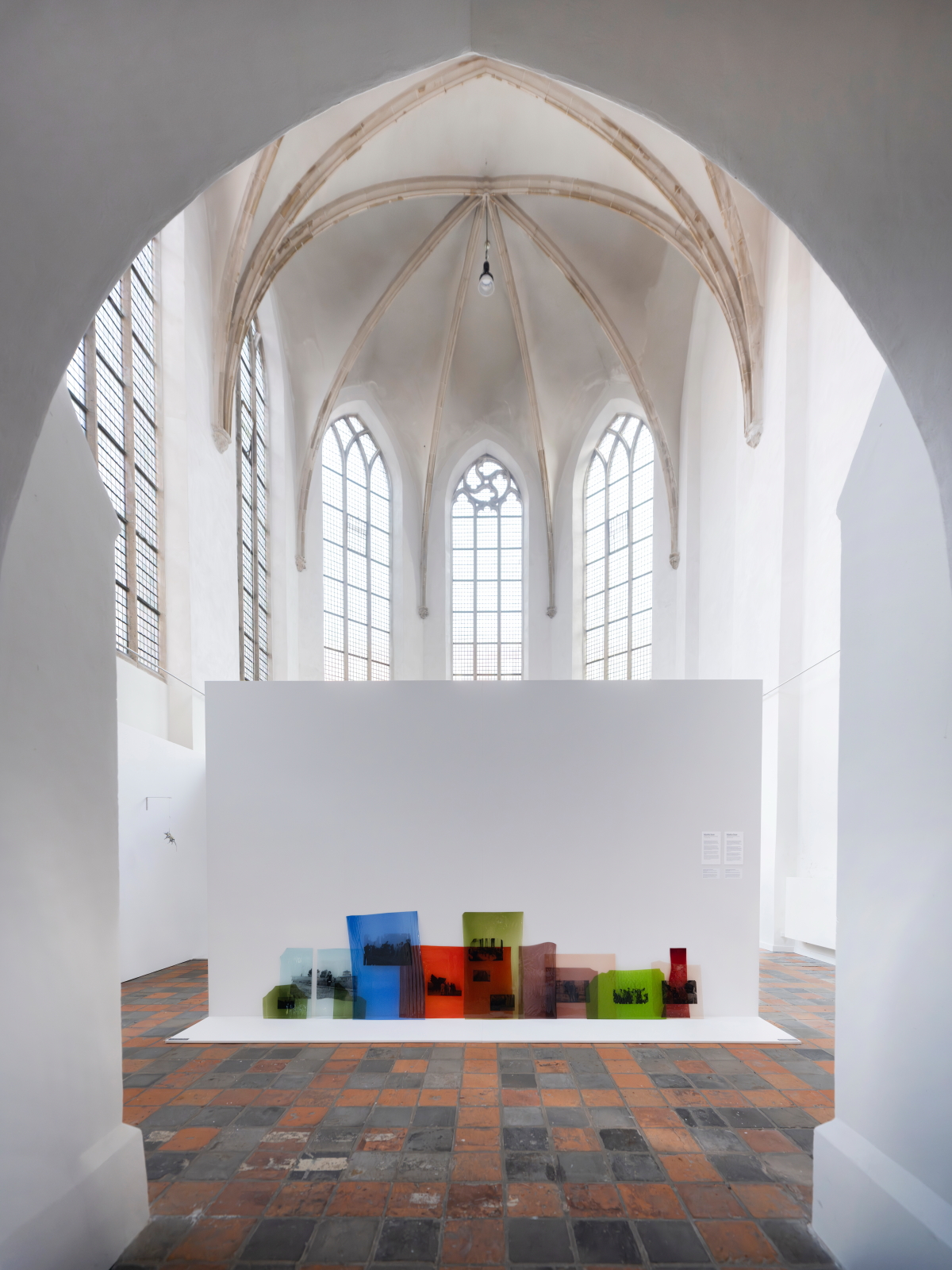
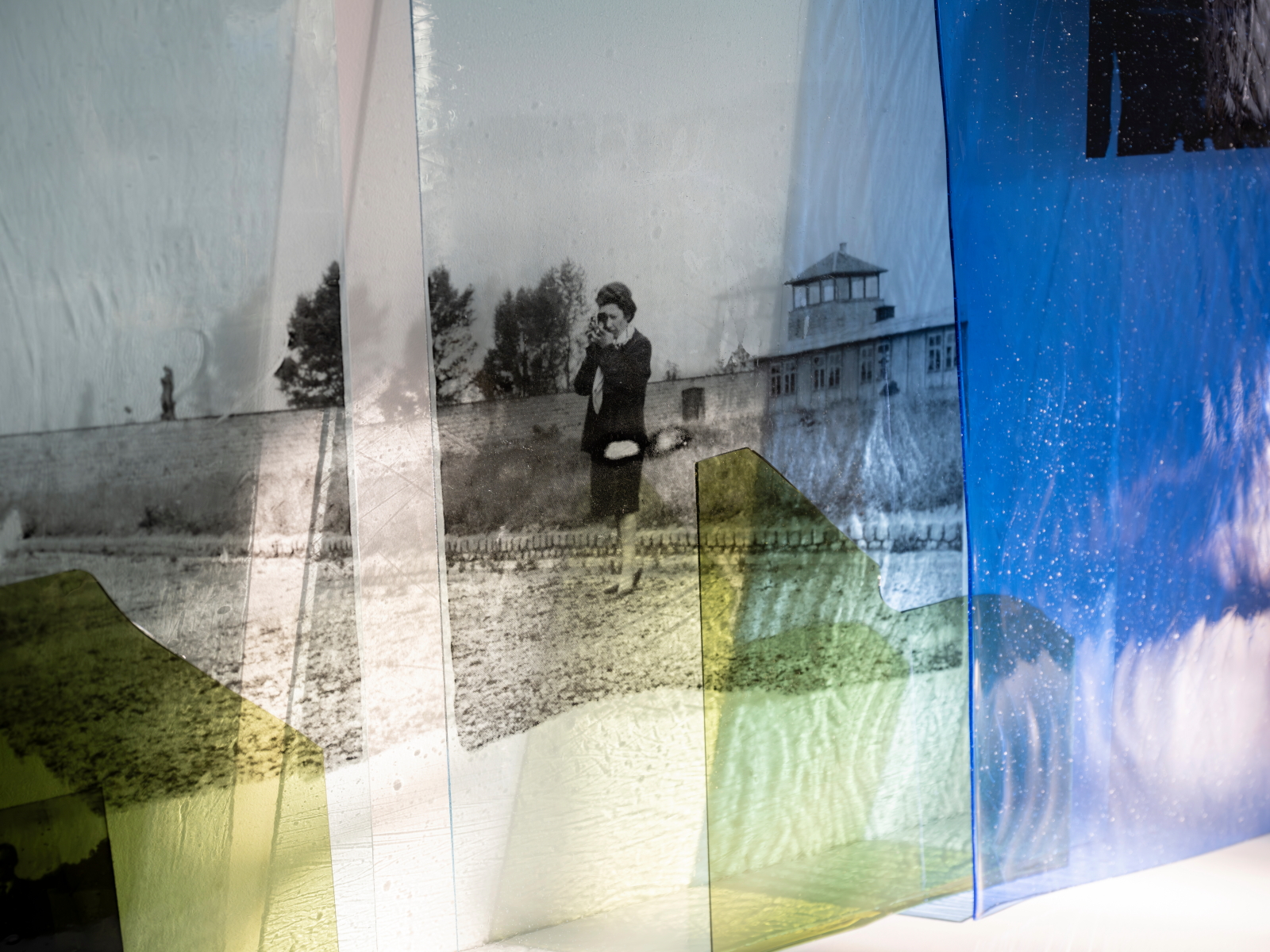
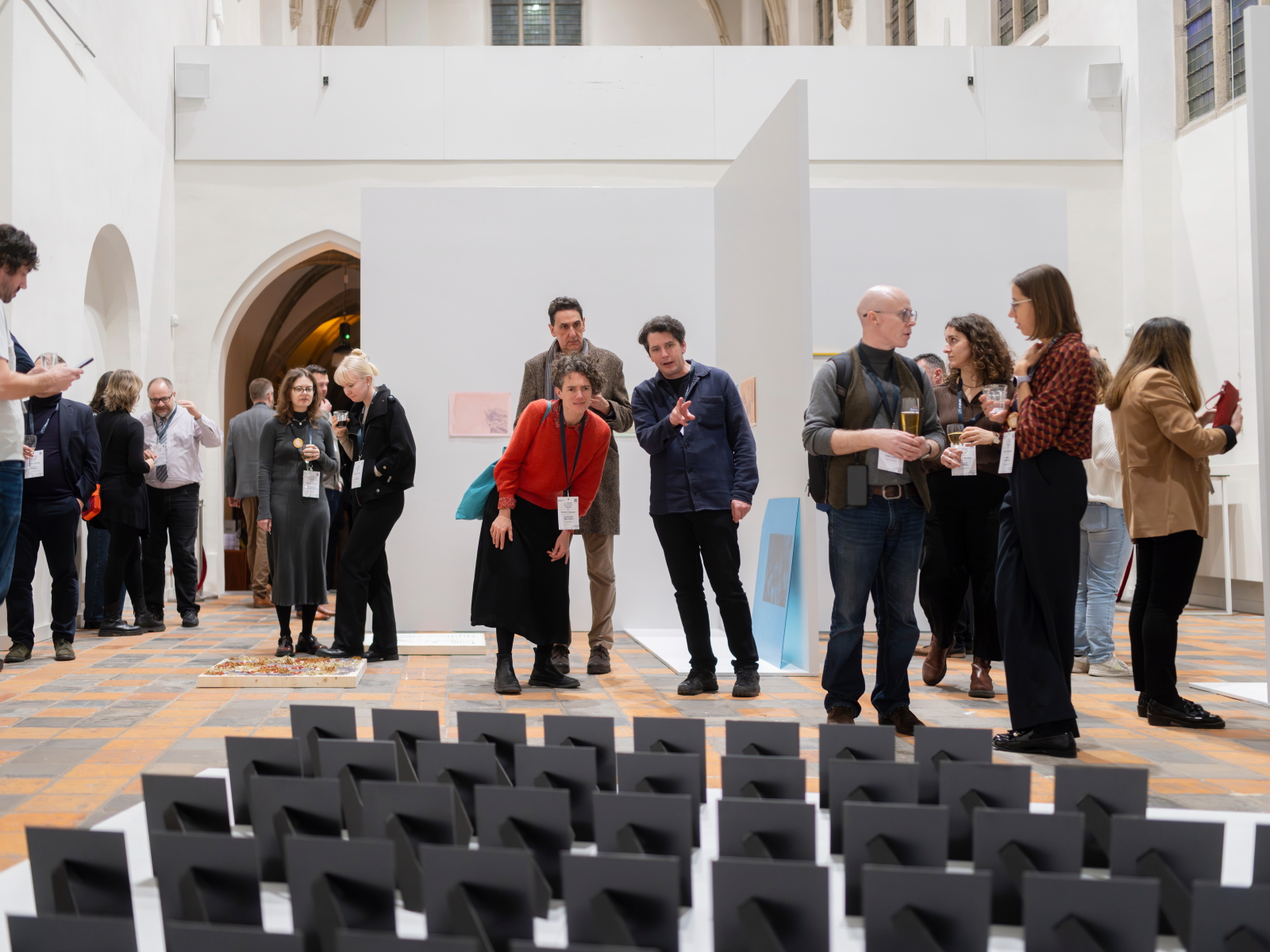
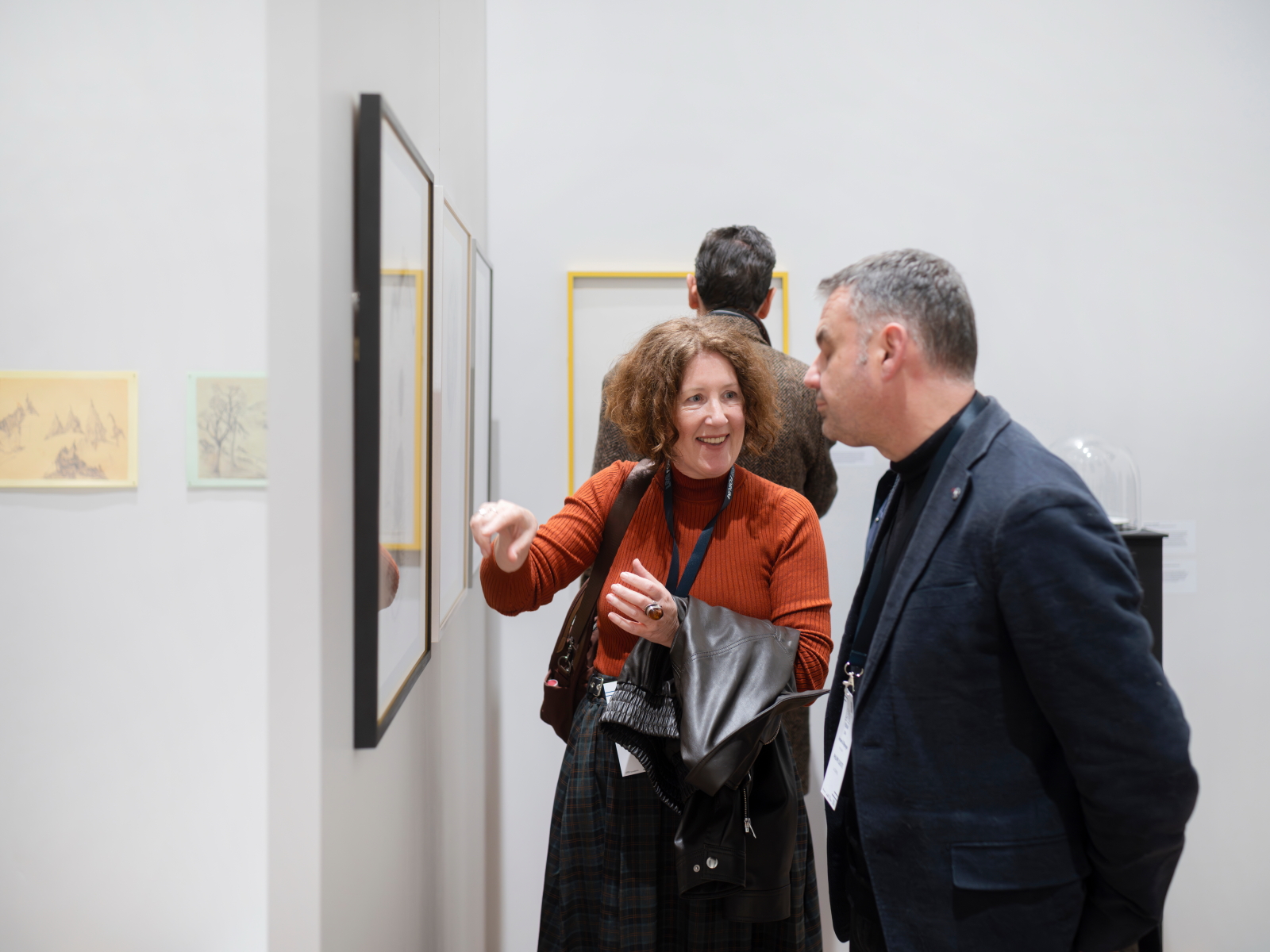
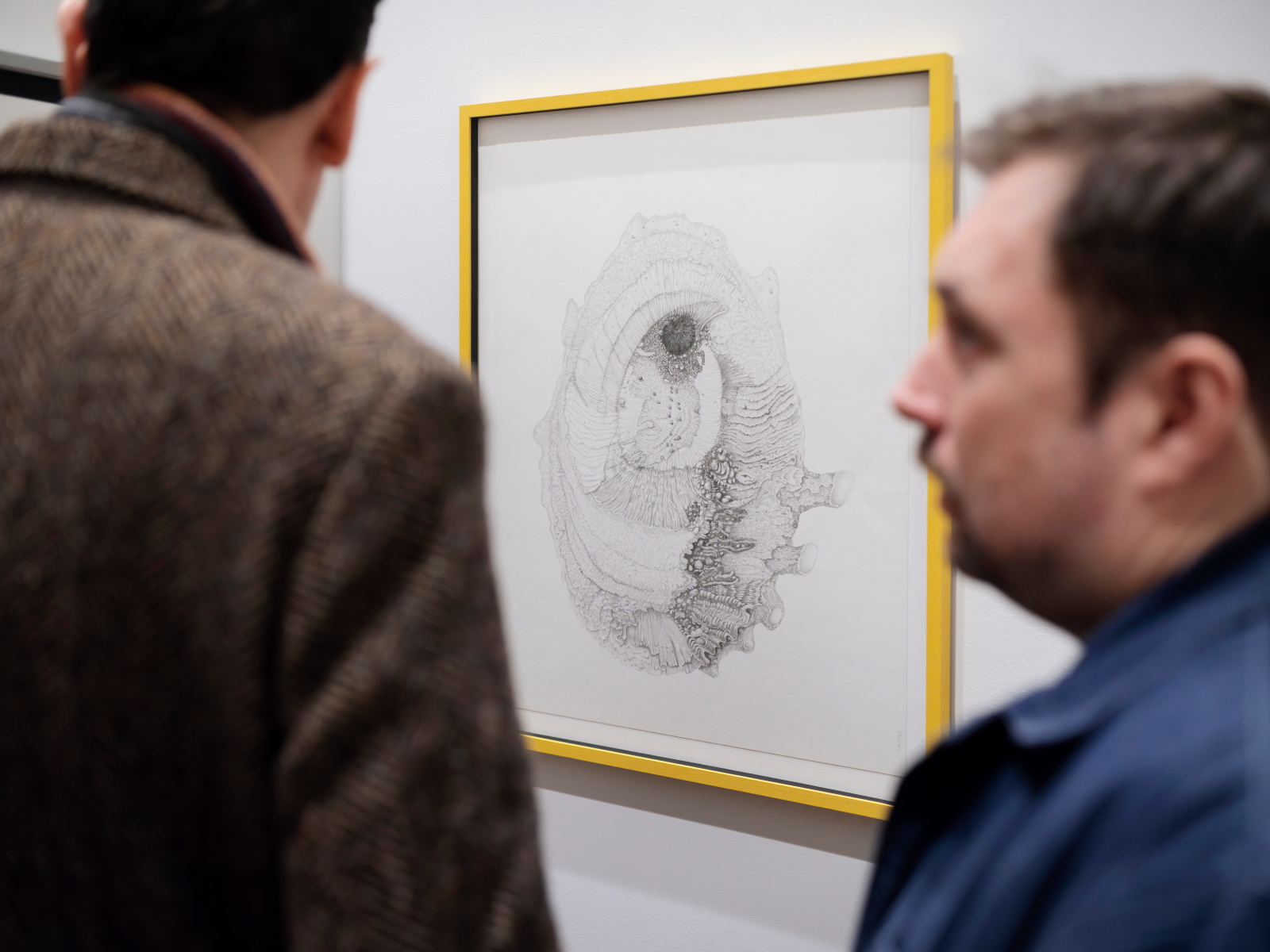
That same evening, at the House of Nijmegen History, the Art of Remembrance exhibition officially opened. Developed as part of a Creative Europe project, it brought together contemporary artworks created at remembrance sites across Europe.
Walking through the exhibition alongside the four artists involved in the project – Rebekka Bauer, Raphaël Dallaporta, Juhana Moisander, and Gail Ritchie – showed how art can open new and deeply personal ways of engaging with WWII history.
As highlighted during the opening, remembrance is not static. It requires care, creativity, and constant vigilance.
The LRE Member Seminar and LRE Conference in Arnhem
Day two moved to Arnhem, shifting the Forum to a discussion-focused format.
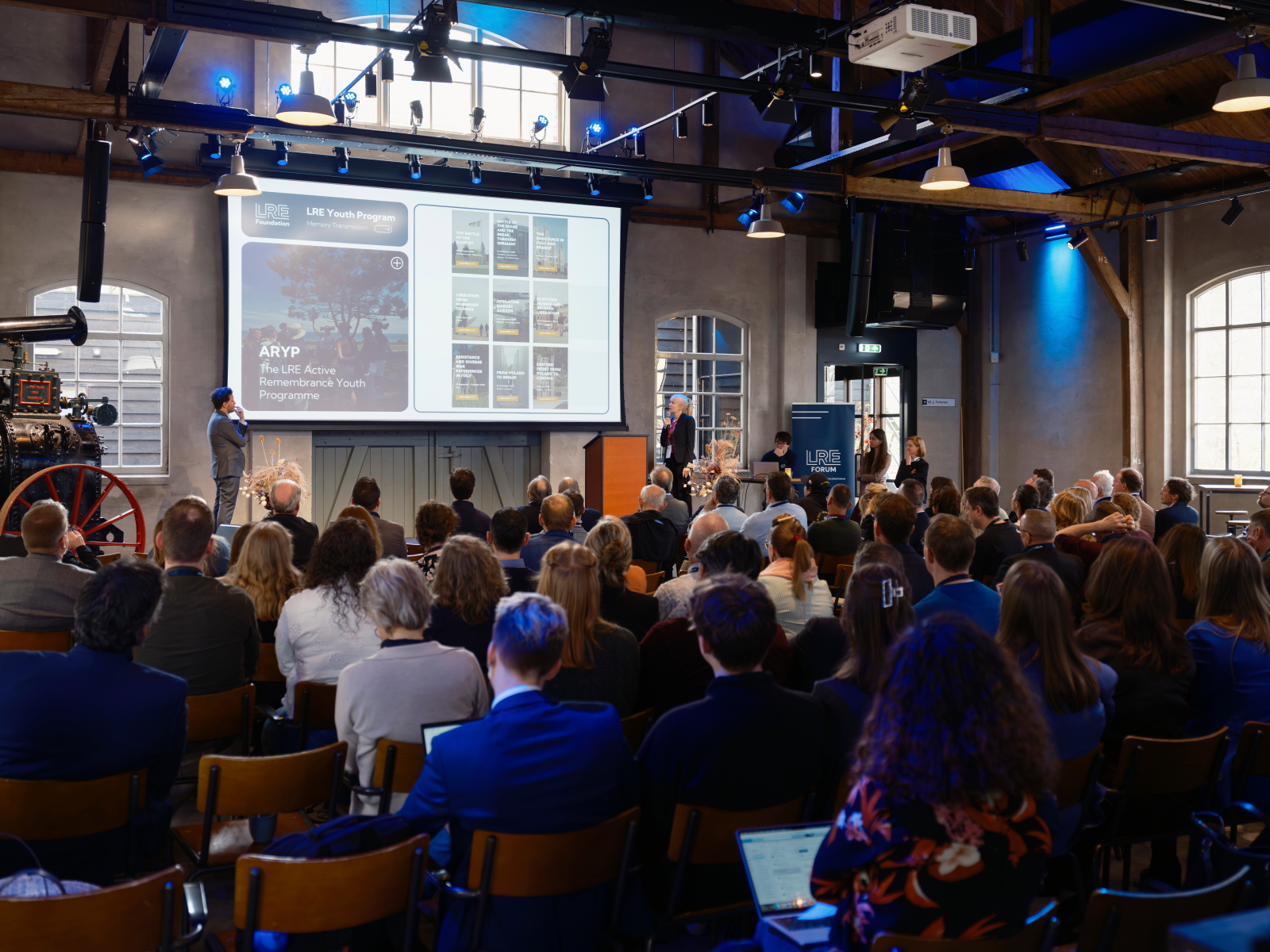
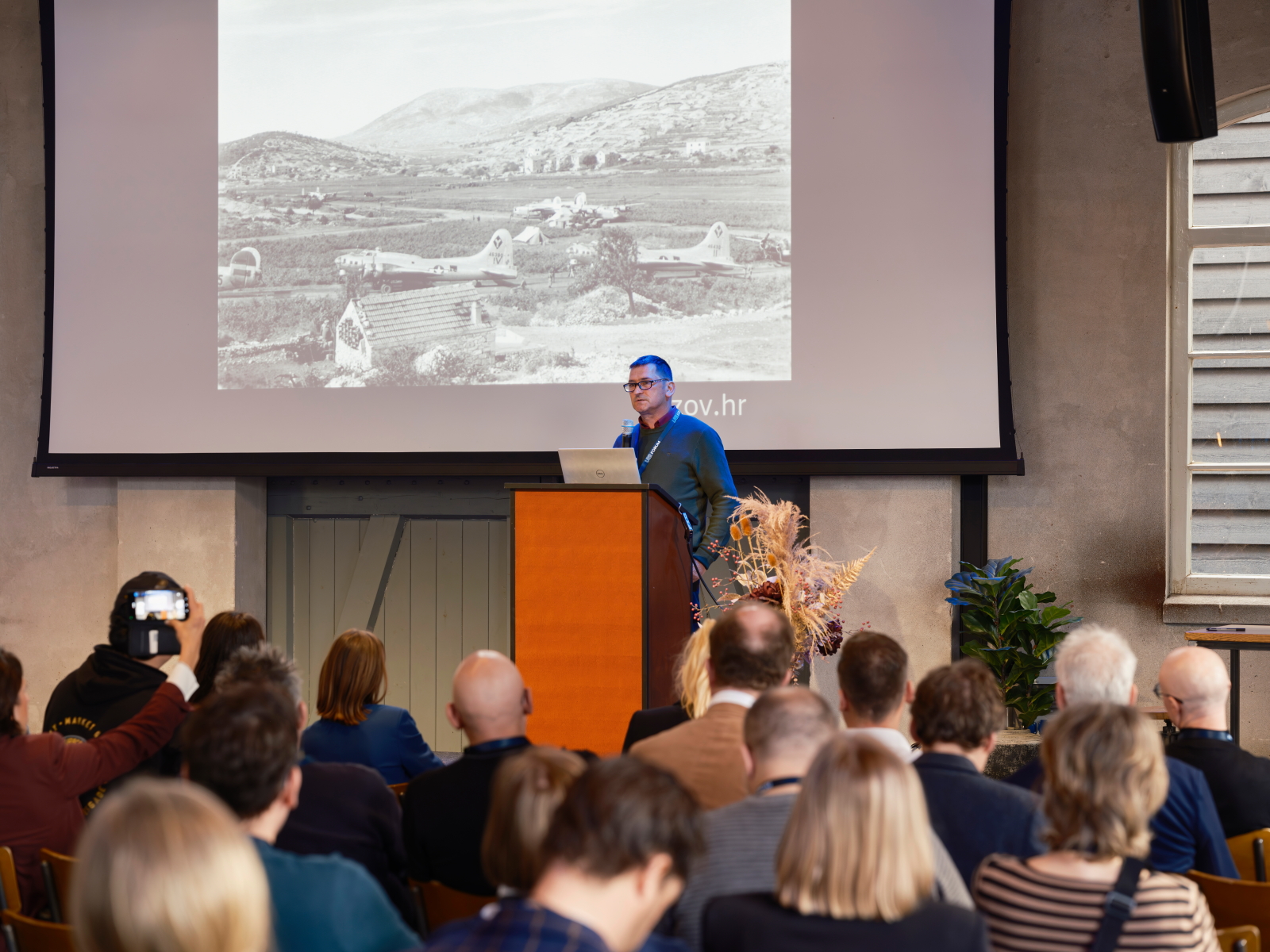
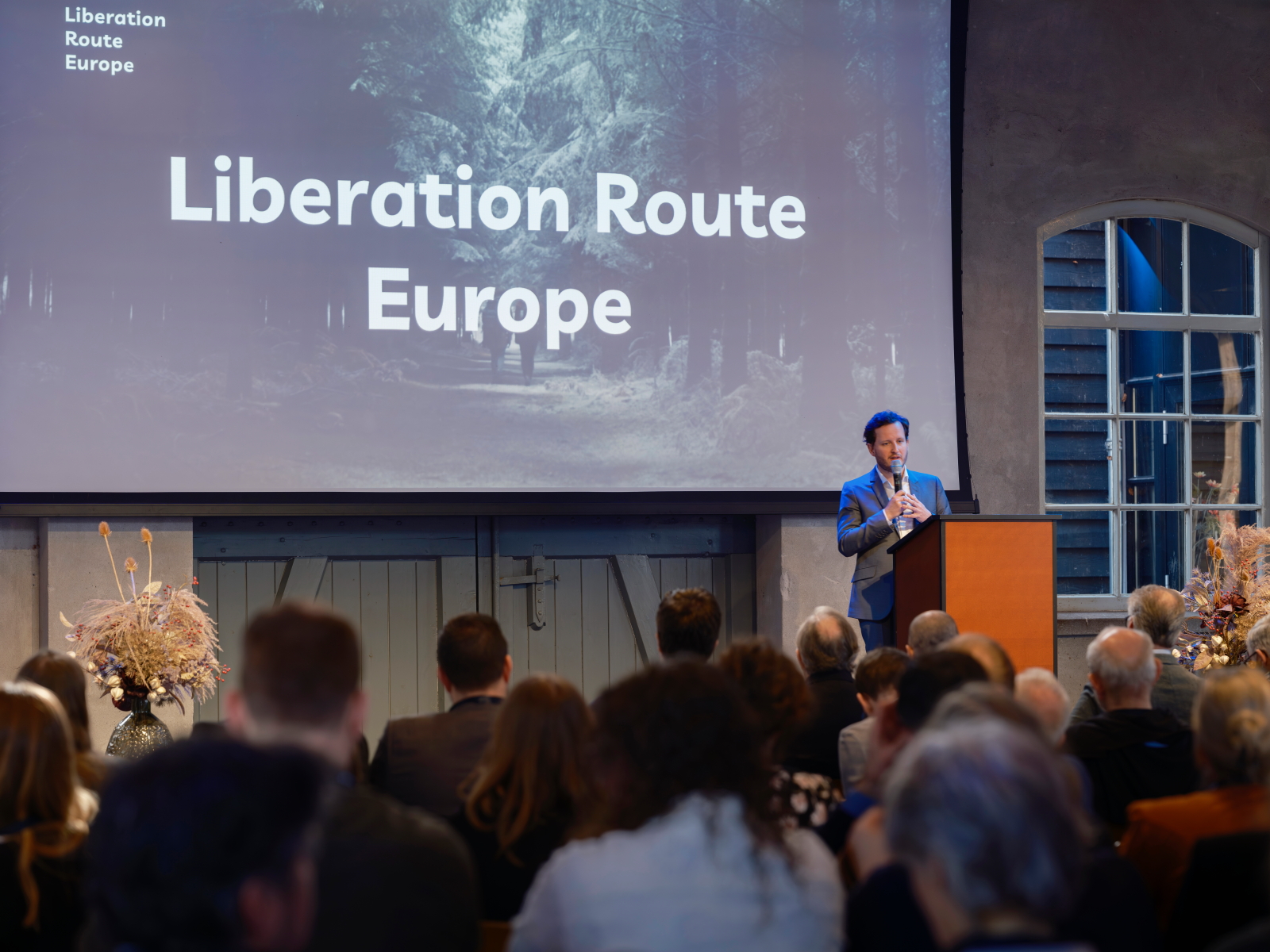
The LRE Member Seminar kicked off the morning at the Netherlands Open Air Museum with updates from the LRE Foundation and project presentations from across the network. From Croatia to the Channel Island of Jersey, from France to the Netherlands, the diversity of projects, stories and approaches showed just how alive and evolving remembrance work is today.
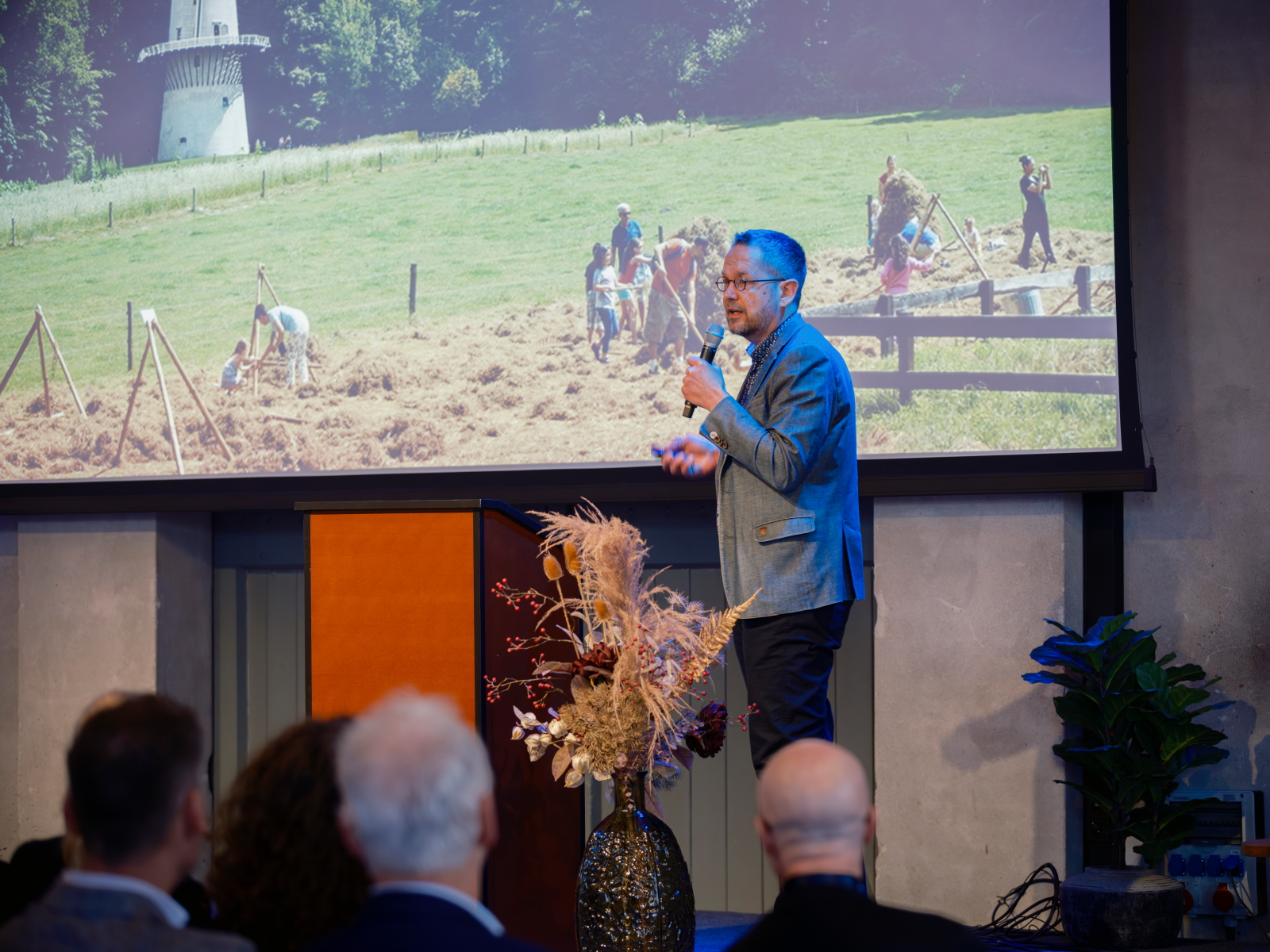
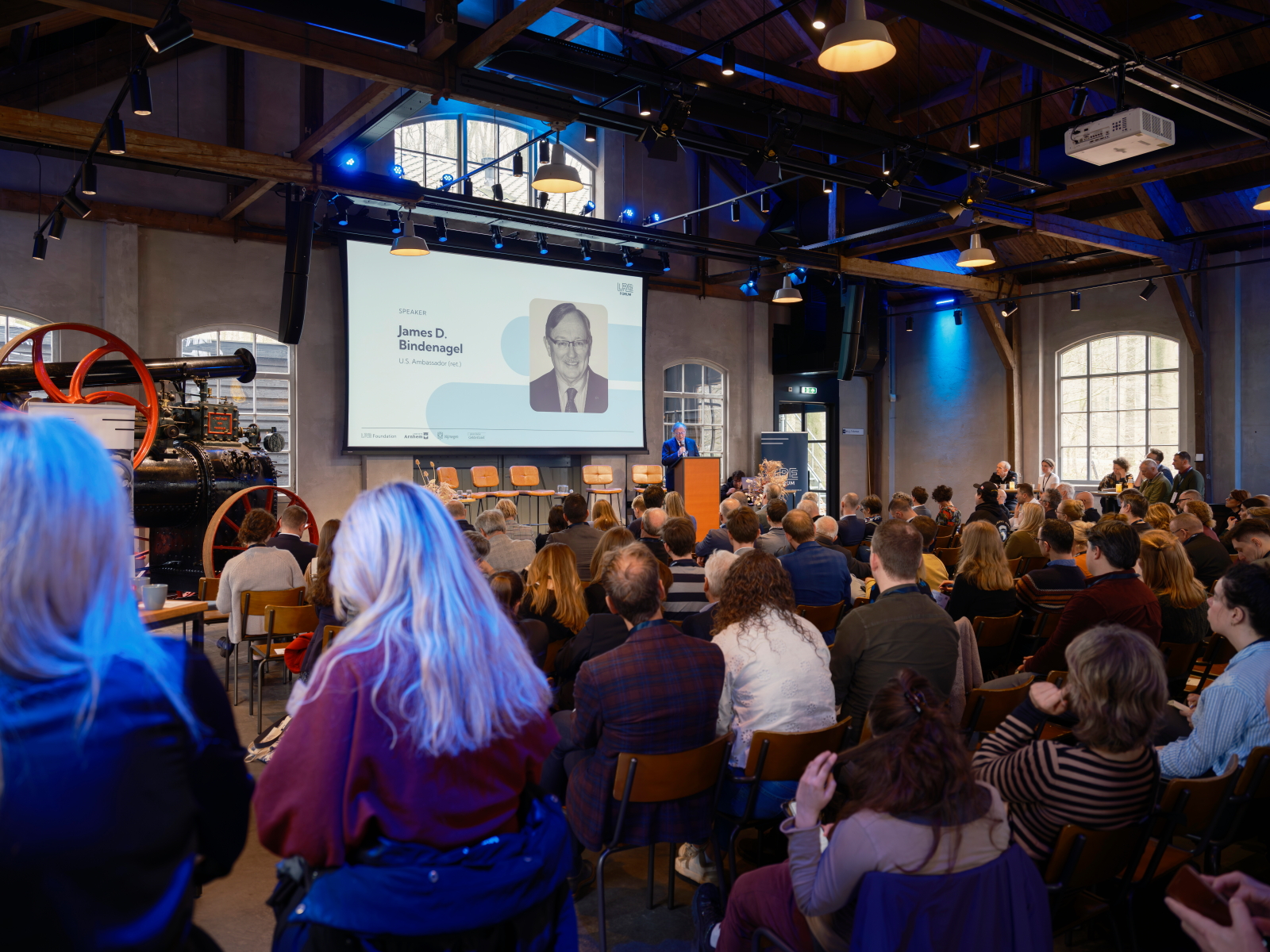
The LRE Conference titled “Beyond the 80th Anniversary: The Future of WWII Remembrance” followed on the morning of March 10. The opening plenary tackled a key question: how do we carry memory forward in a world with fewer eyewitnesses and increasing pressure on democratic values?
In his keynote, US Ambassador (ret.) James D. Bindenagel offered a reflection that guided the morning’s conversation. As Europe marks 80 years since liberation, he warned that some of the ideologies that led to the war are once again visible today. Echoing Hannah Arendt, he highlighted the loss of empathy as a clear warning sign.
The key takeaway was that “Never Again” only matters if we actively connect it to the present.
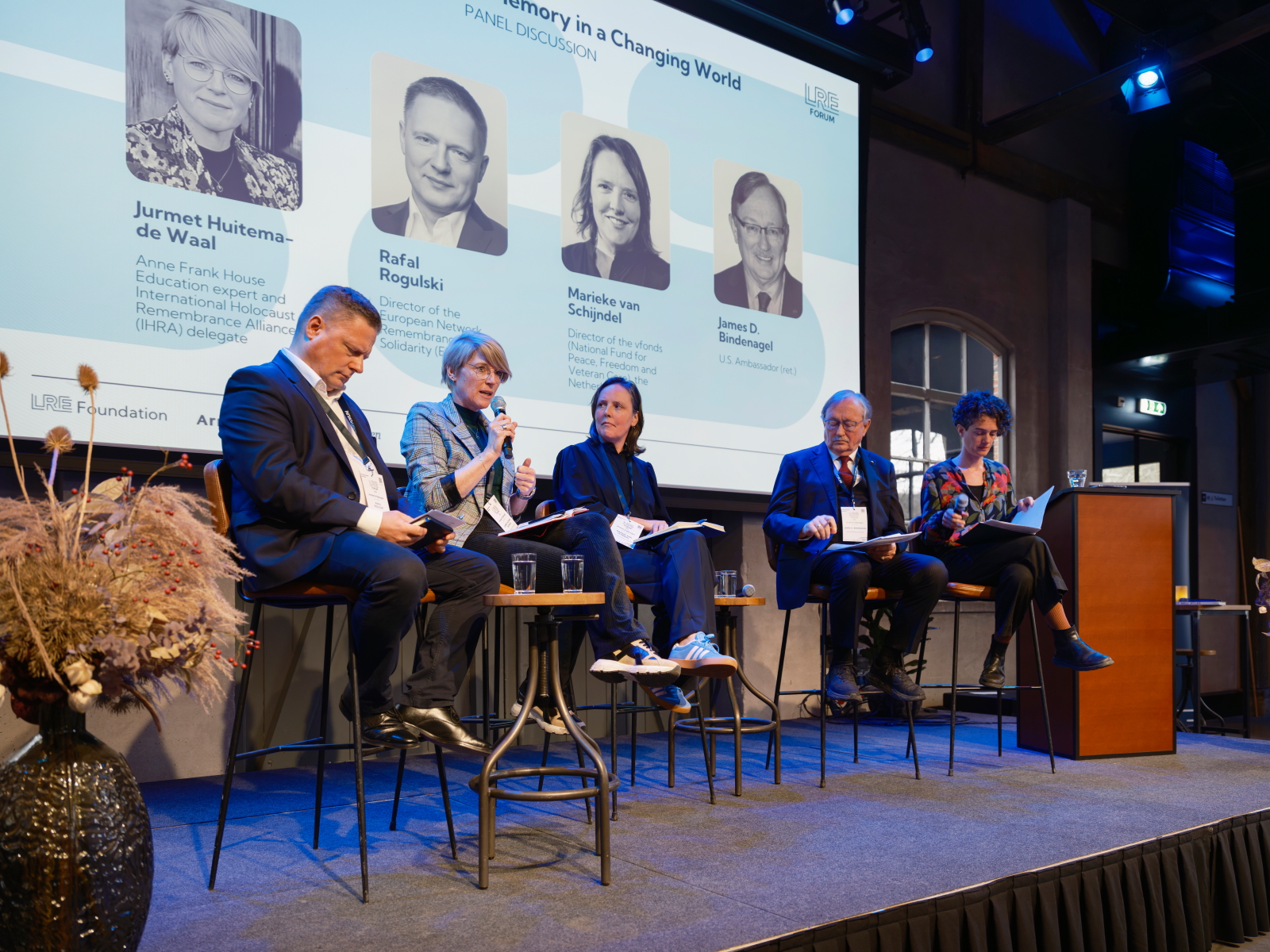
The keynote was followed by a panel discussion with Jurmet Huitema-de Waal, Rafał Rogulski, Marieke van Schijndel, and James D. Bindenagel, who each brought perspectives from education, policy, and international cooperation.
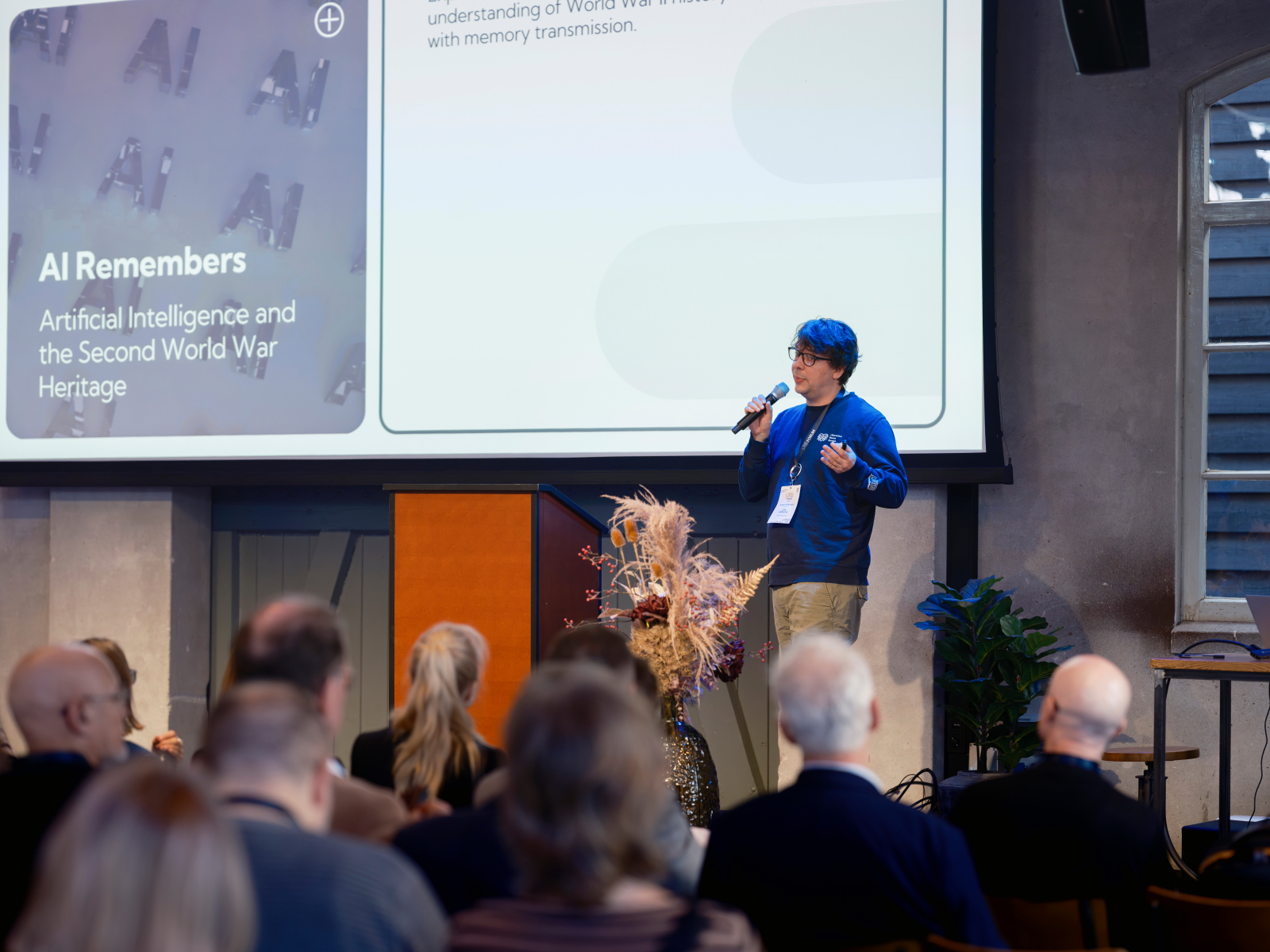
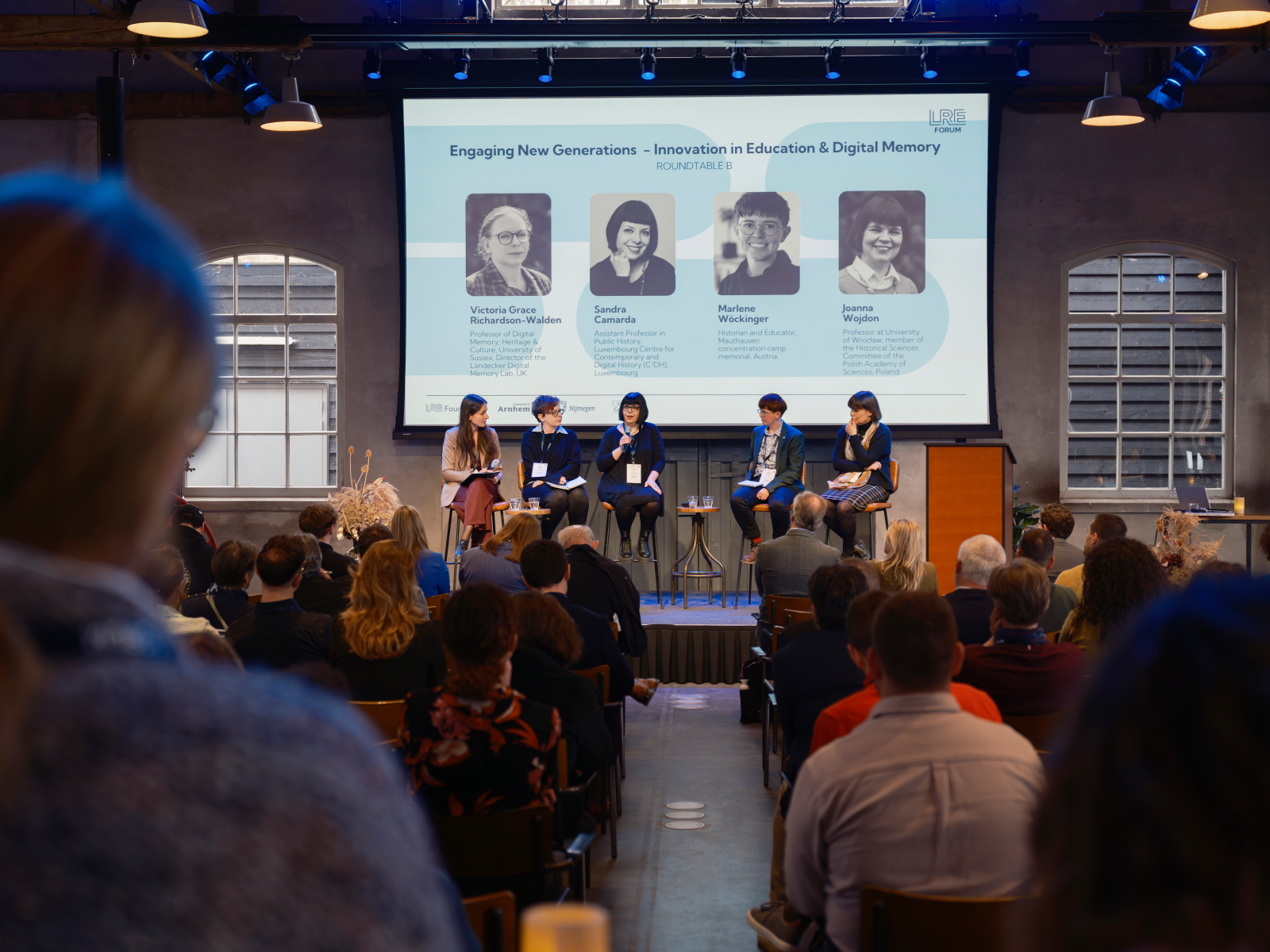
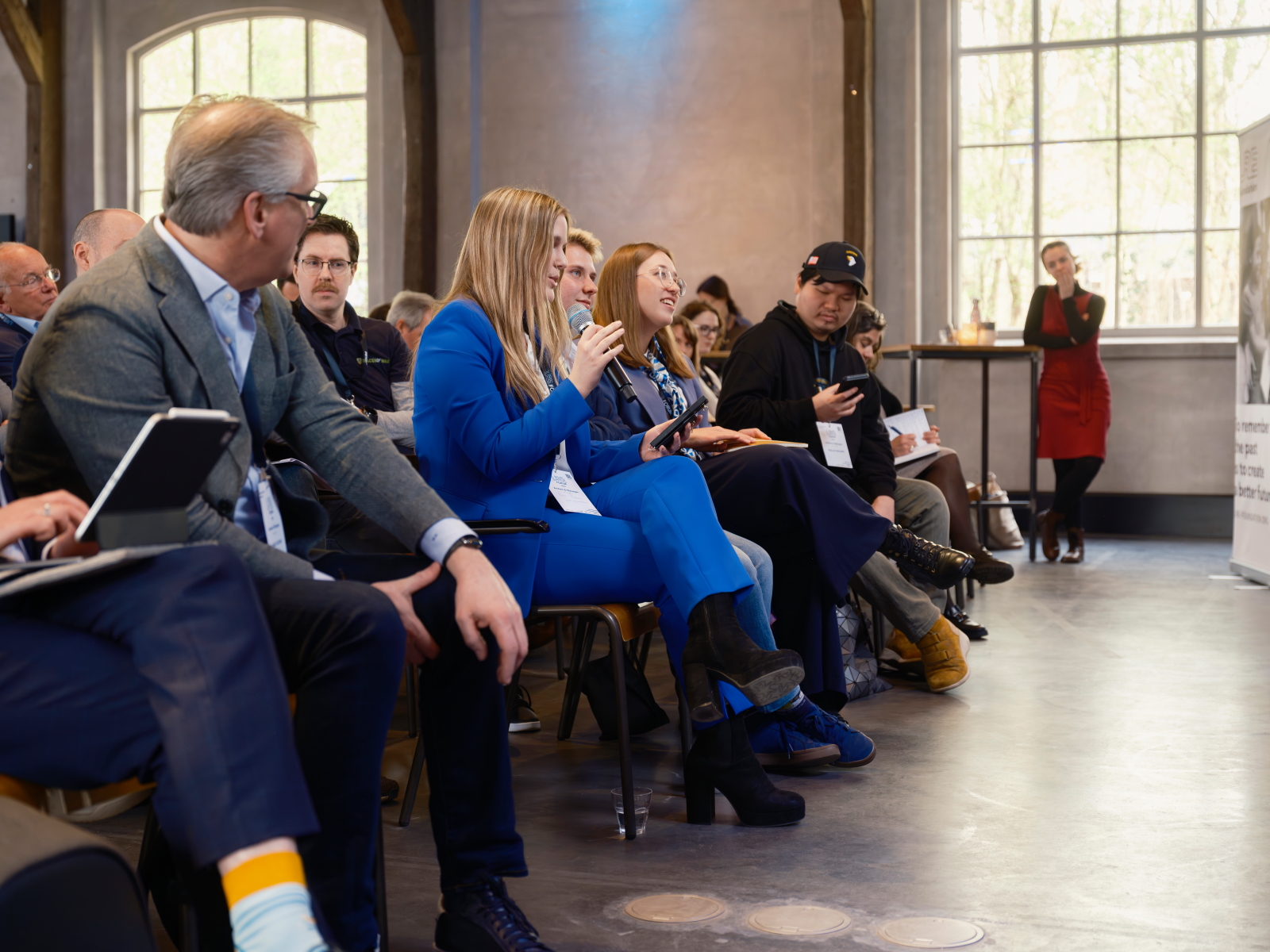
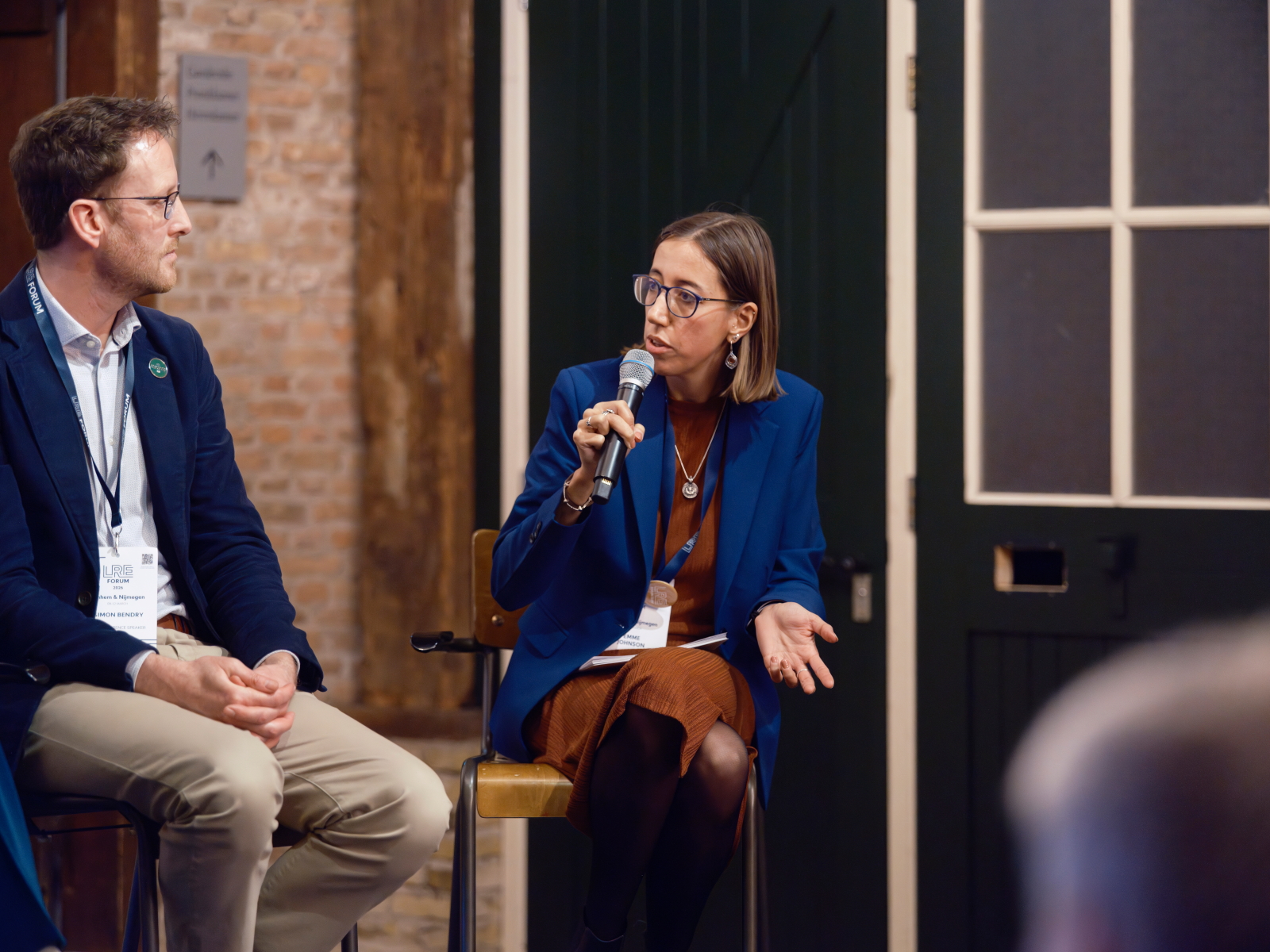
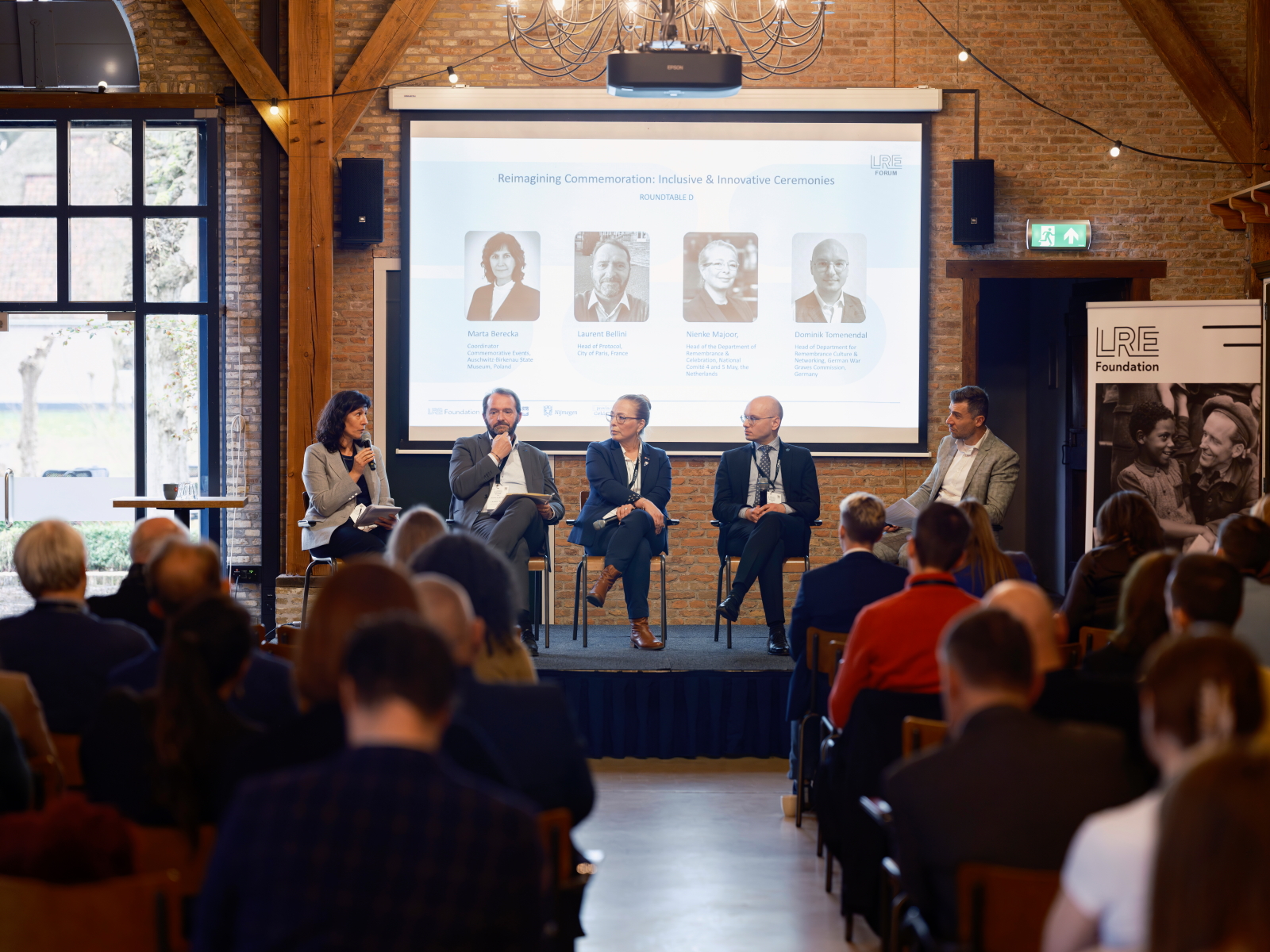
In the afternoon, participants split into parallel roundtables, allowing for more focused discussions on key challenges. Topics ranged from the environmental impact of remembrance tourism to the role of digital tools in education, as well as the need to include multiple perspectives in historical narratives and to rethink how commemoration is practised today.
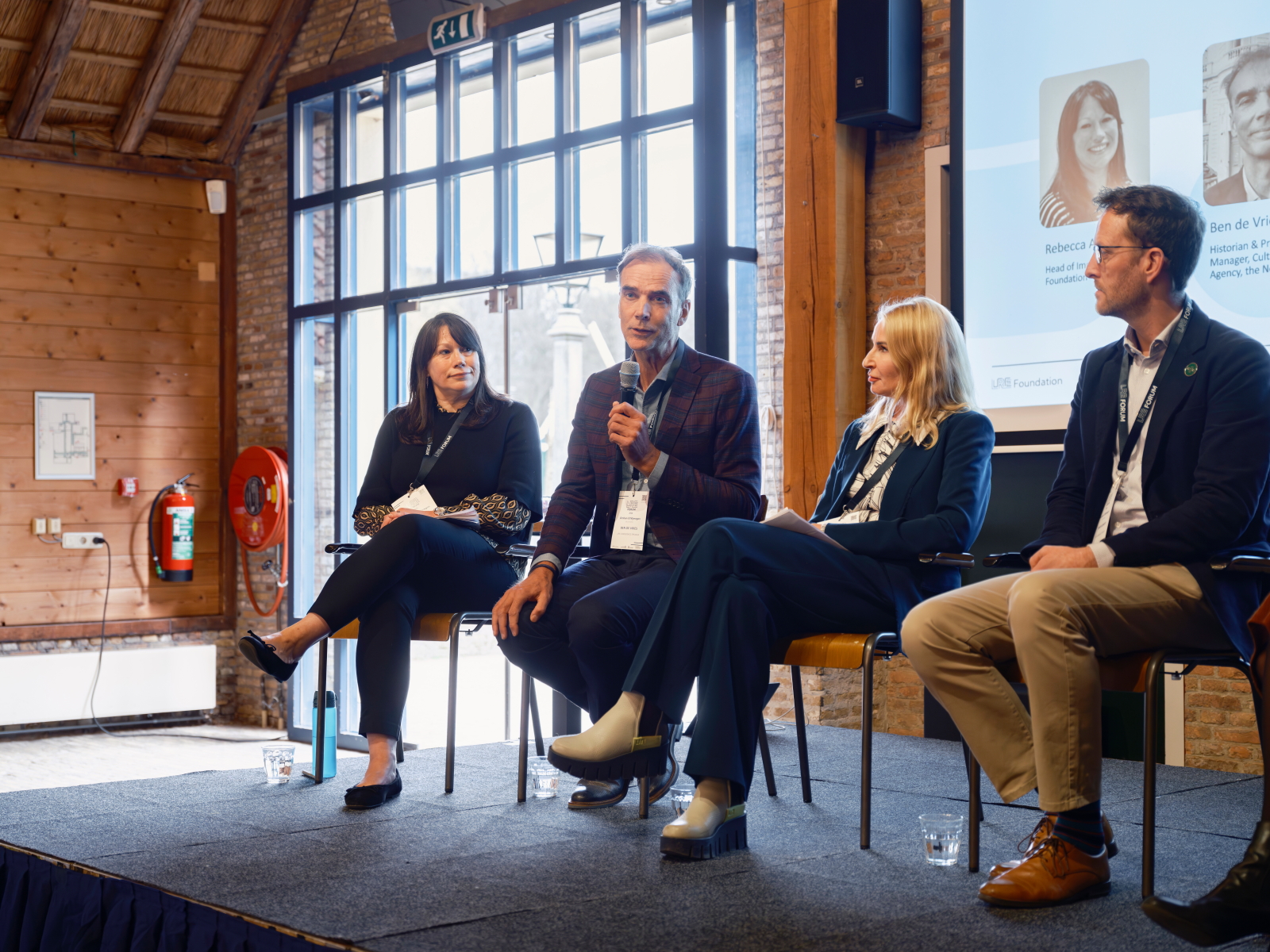
These sessions were led by a wide range of experts, including Rebecca Armstrong, Ben de Vries, Ave Paulus, Simon Bendry, Victoria Grace Richardson-Walden, Sandra Camarda , Marlene Wöckinger, Joanna Wojdon, Peter Johnston, Jana Wohlmuth Markupová, Mathilde Roza, Marta Berecka, Laurent Bellini, Nienke Majoor, and Dominik Tomenendal, bringing together perspectives from heritage, tourism, academia, and the cultural sector.
The Gala Dinner
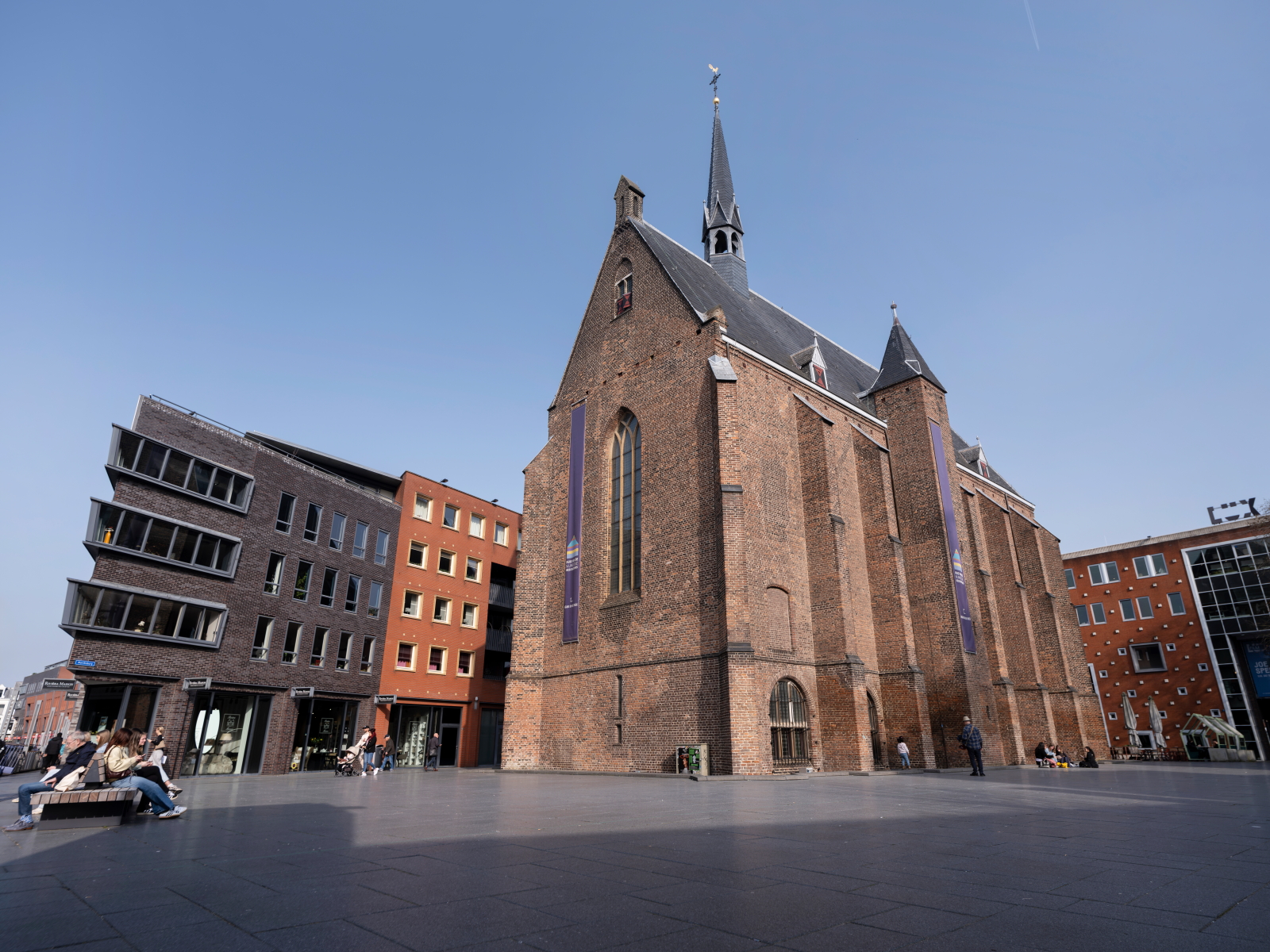
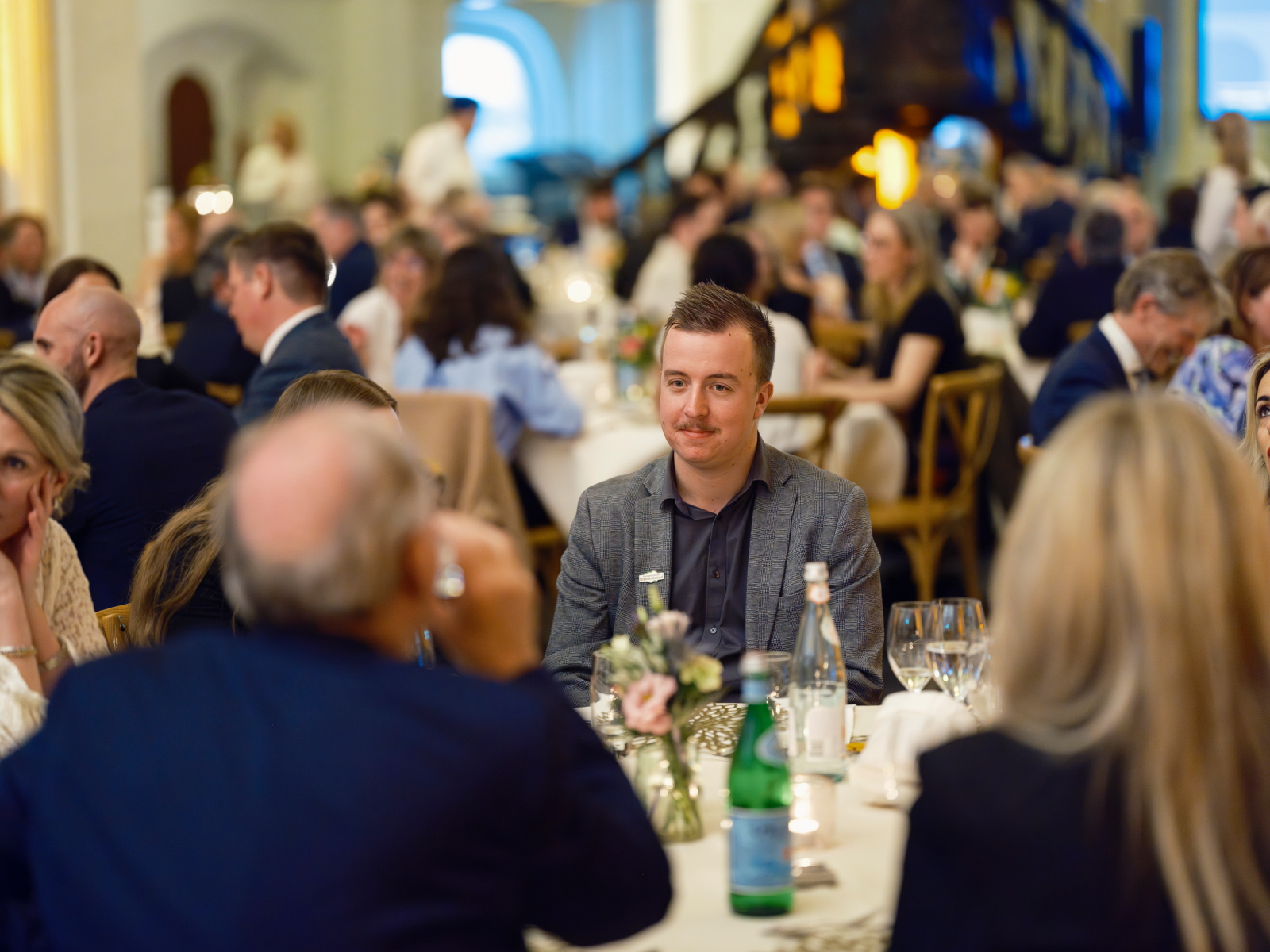
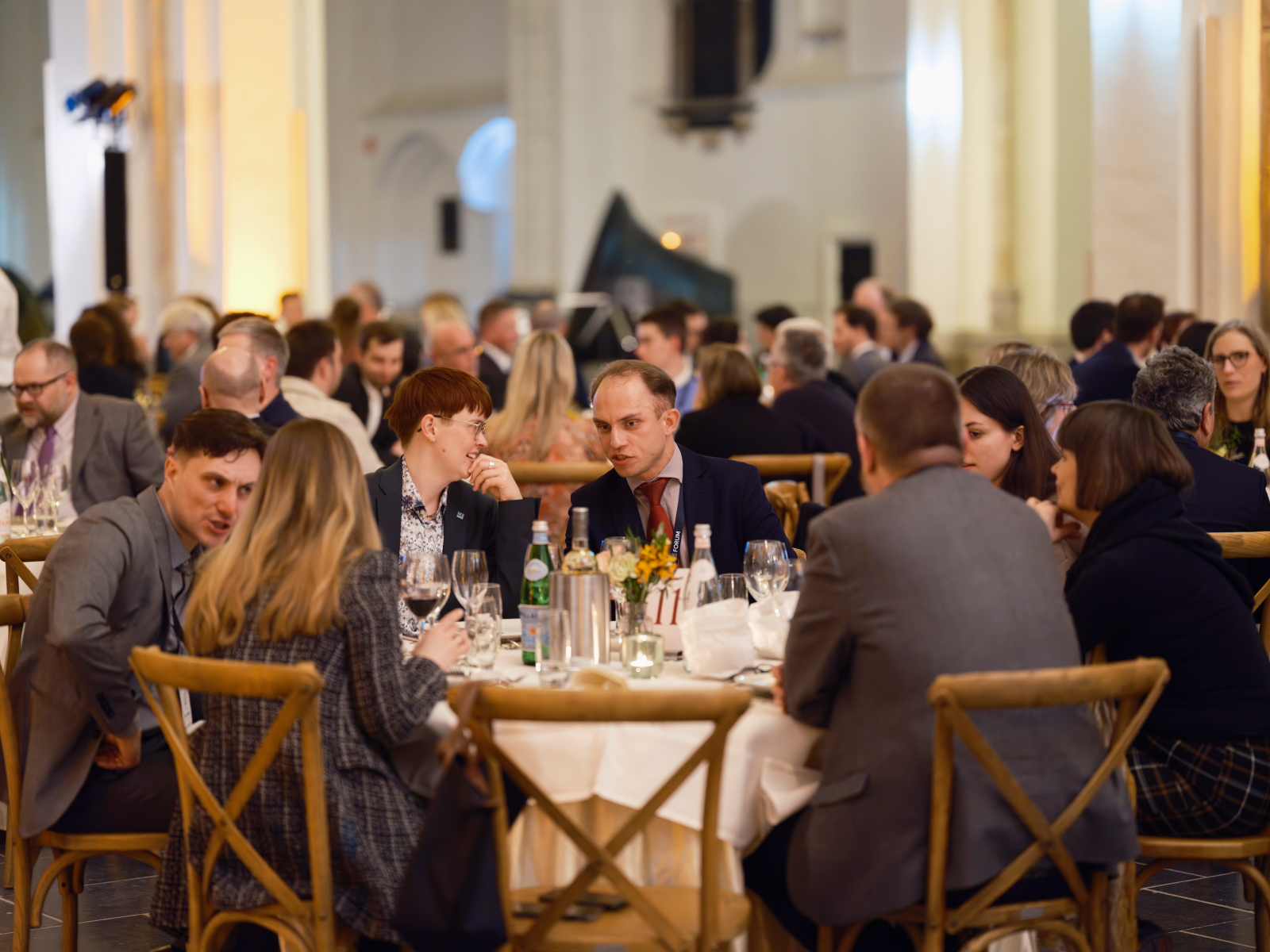
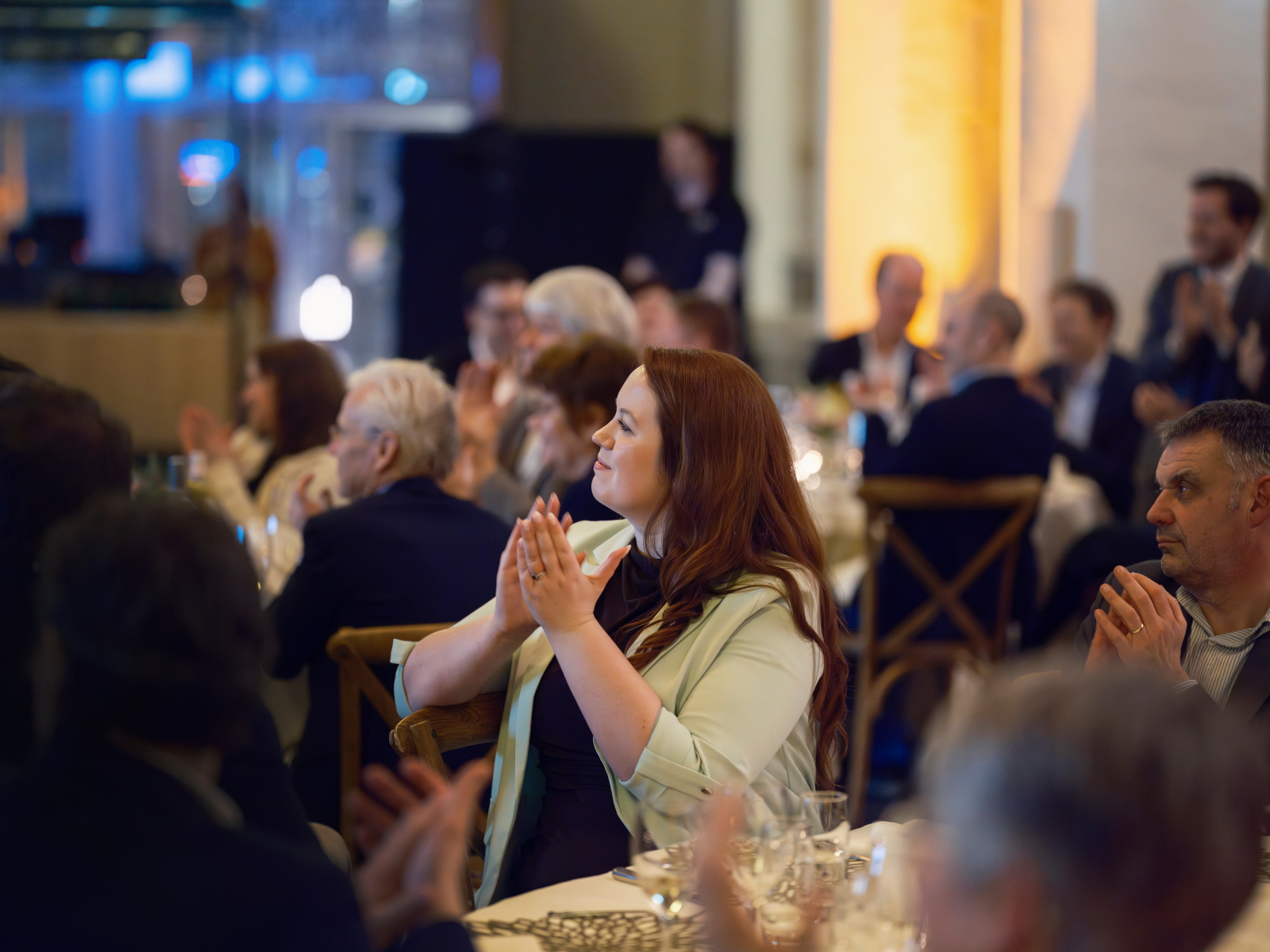
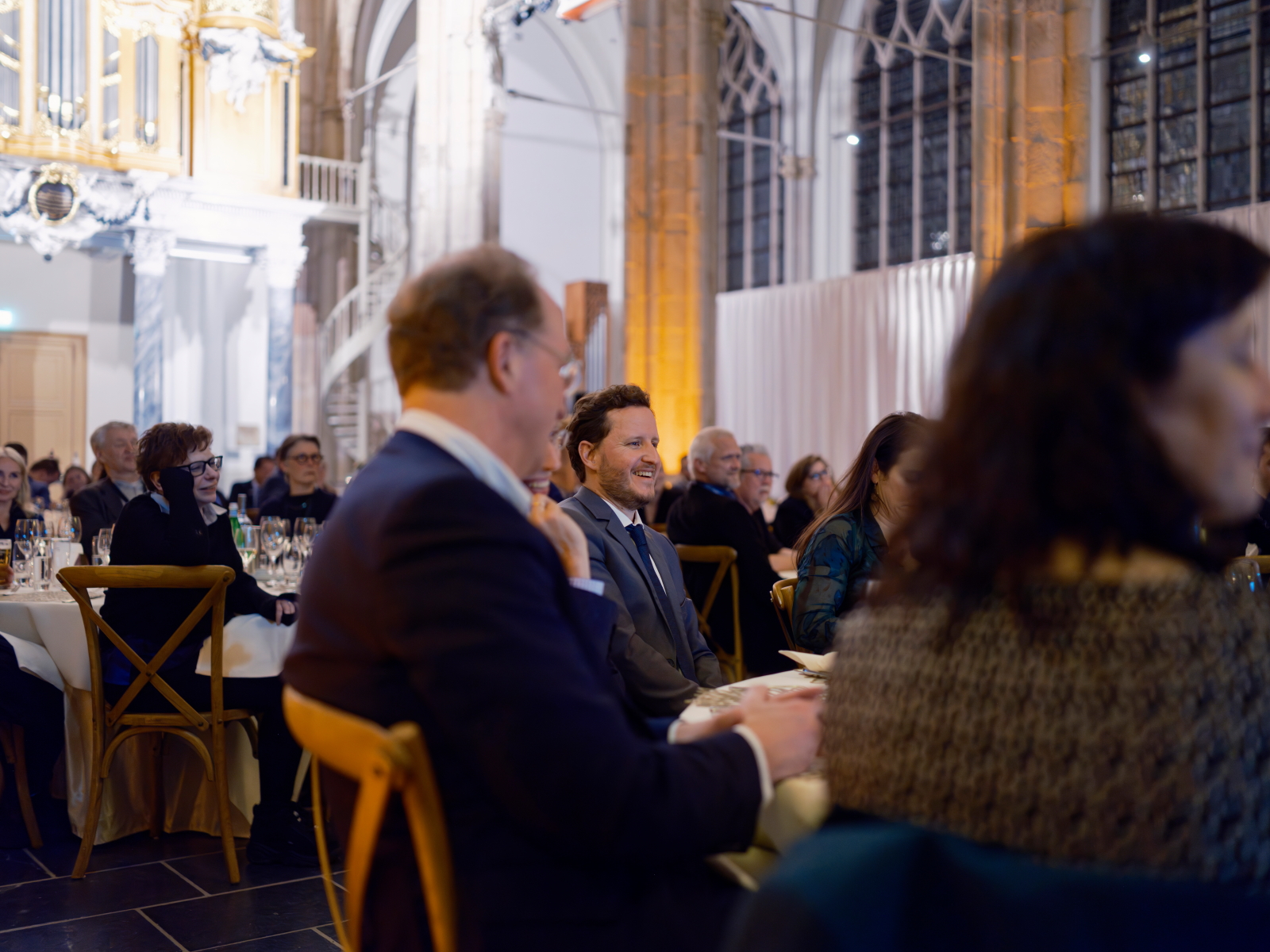
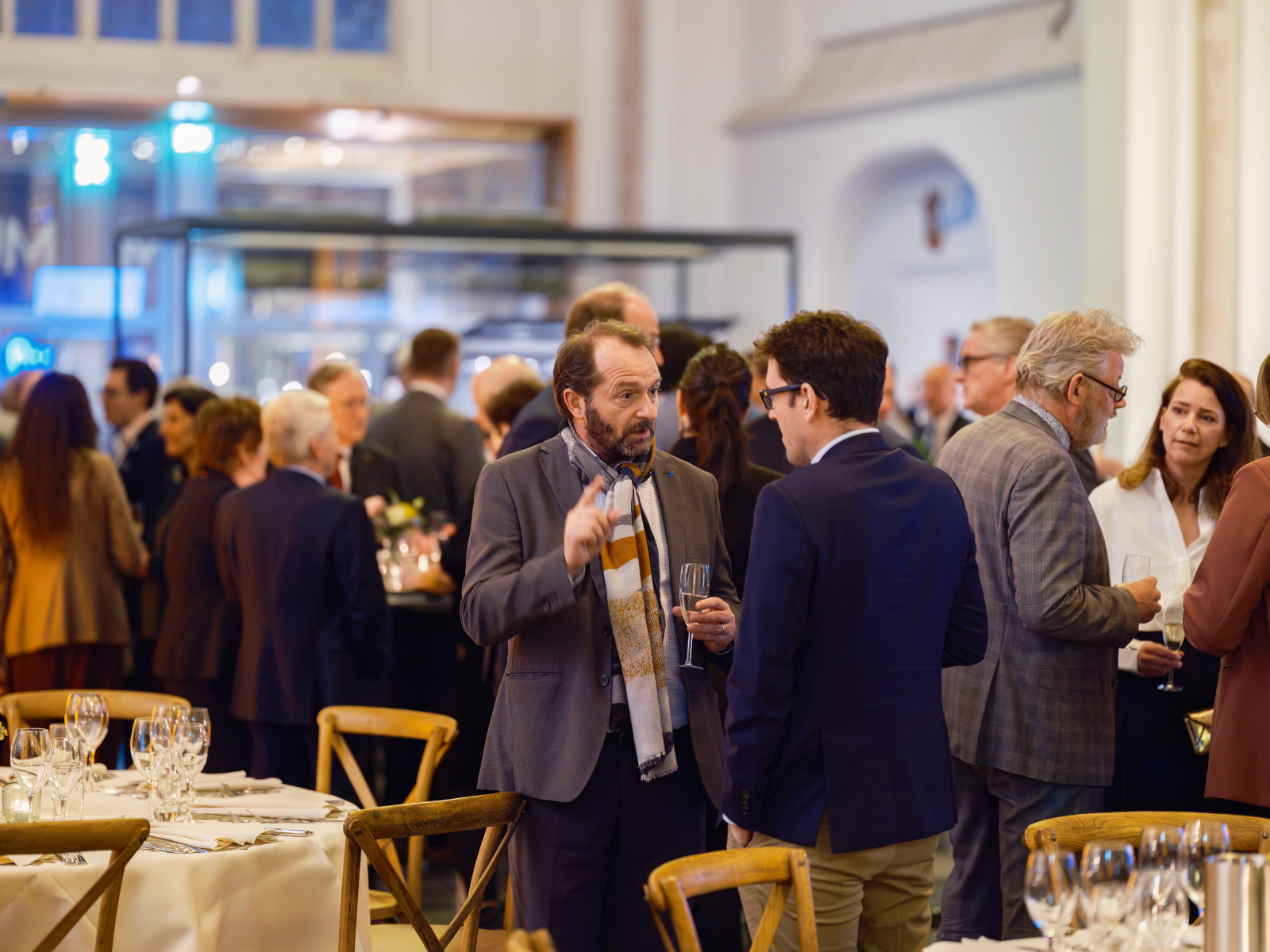
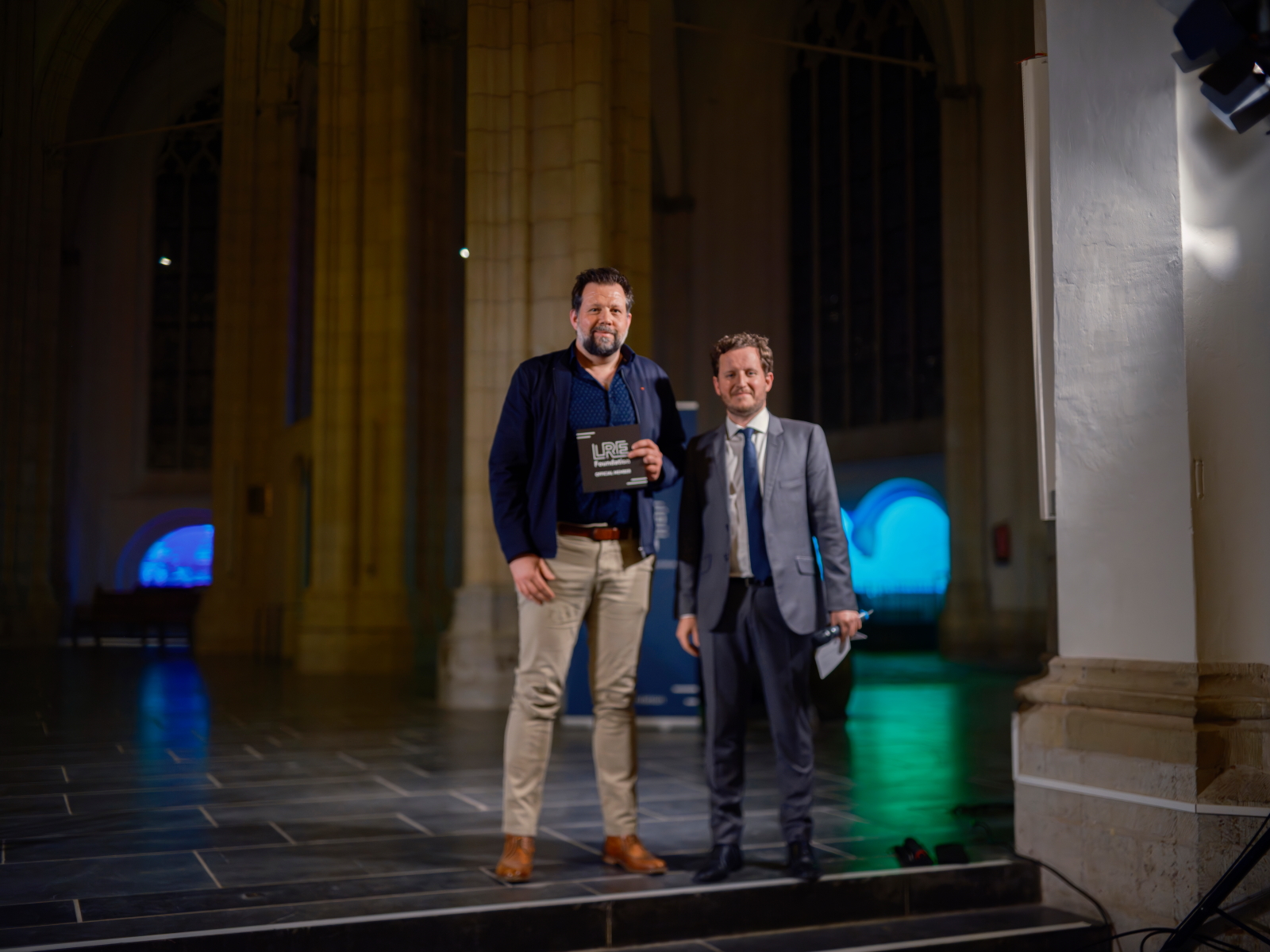
After a day full of ideas and exchanges, the Gala Dinner at the Eusebius Church offered something equally important: time to reconnect.
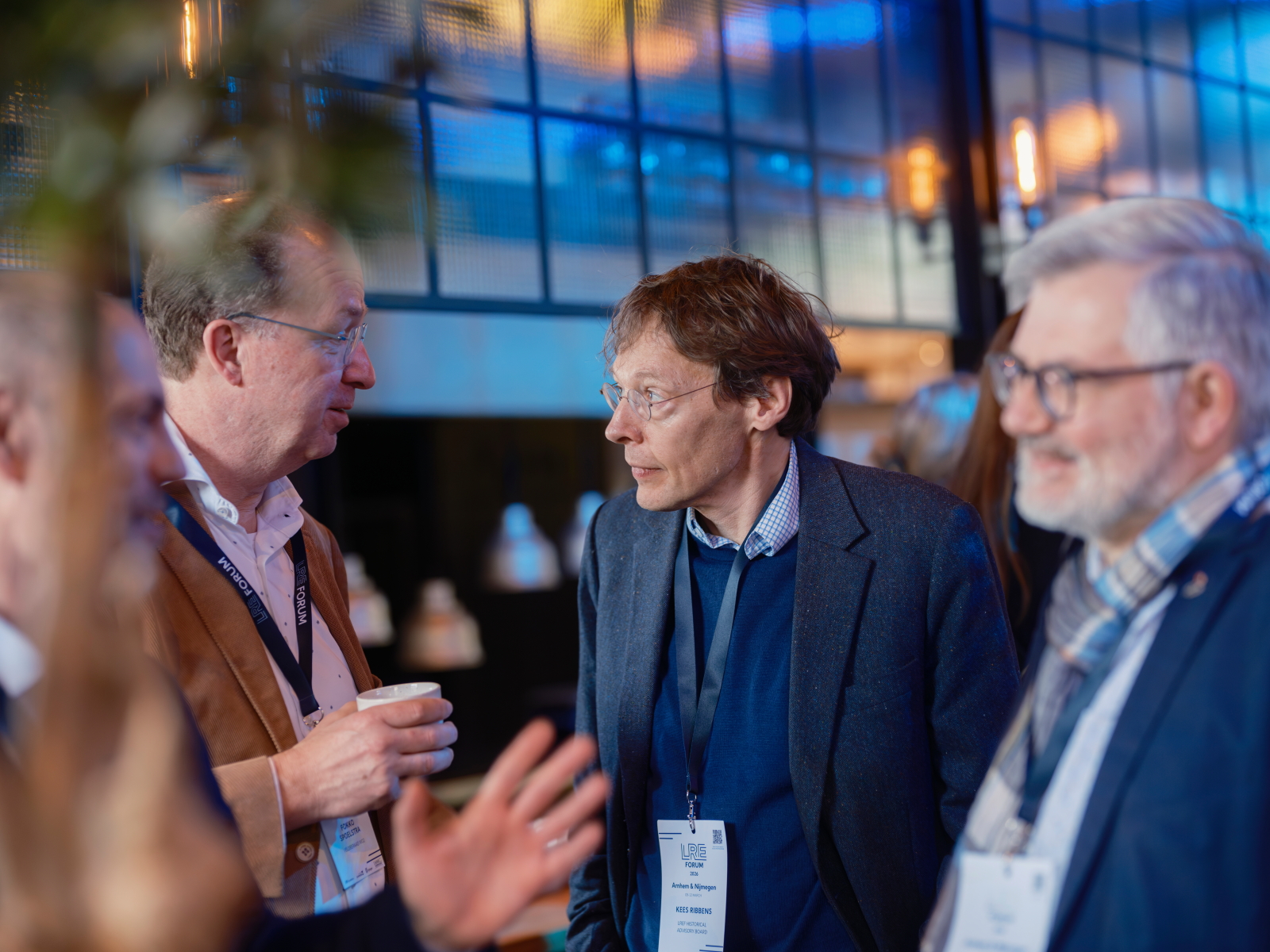
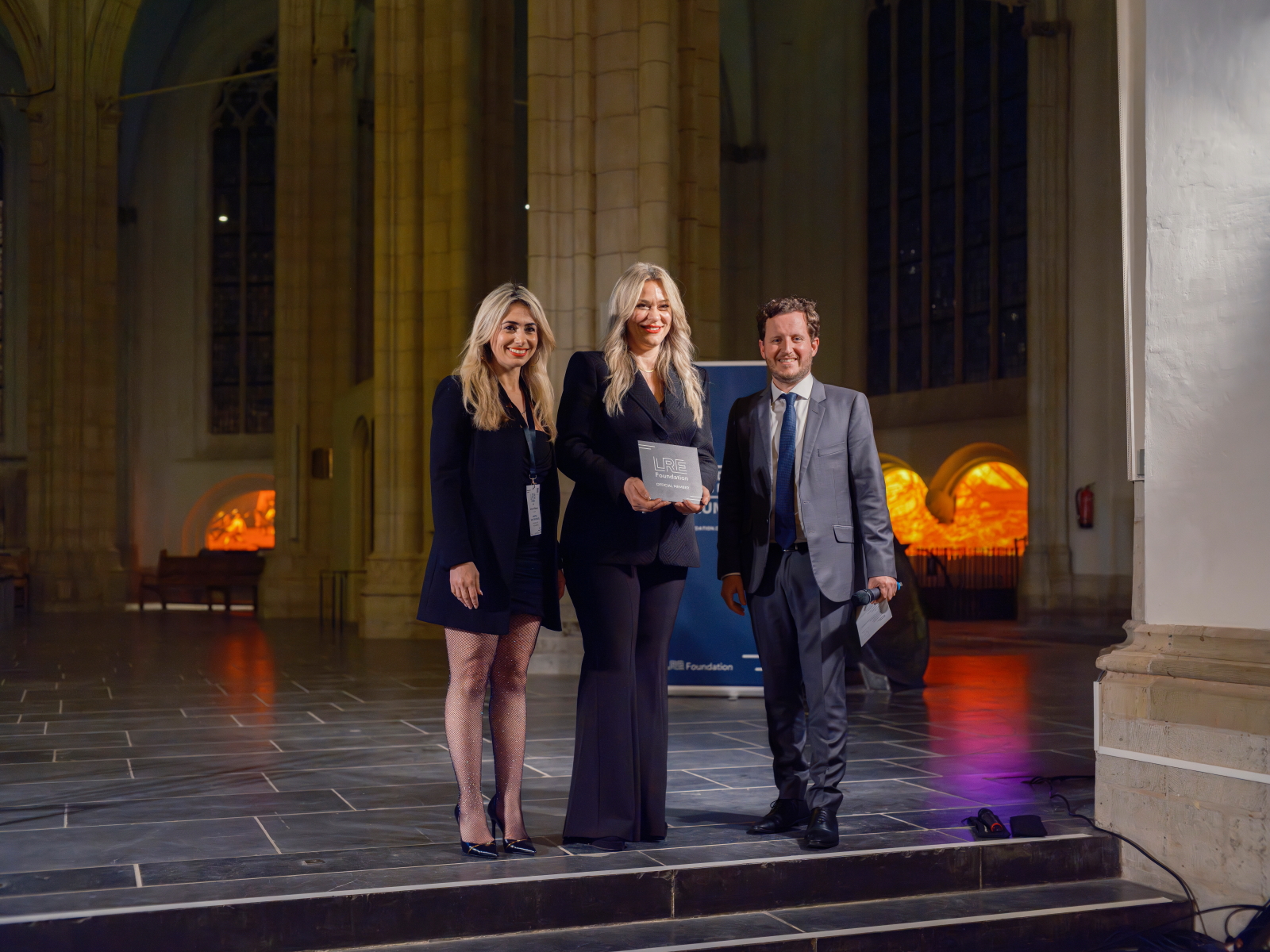
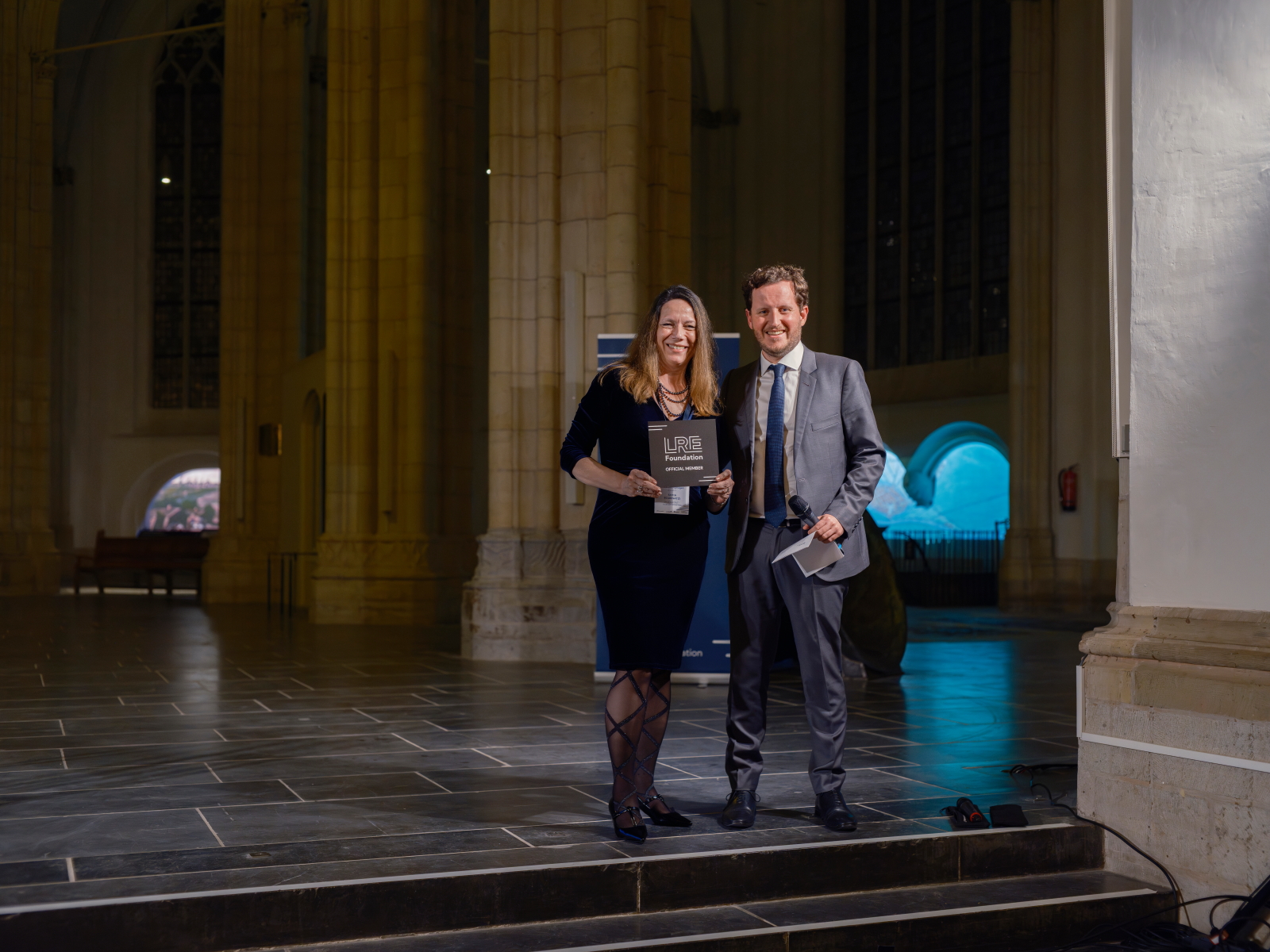
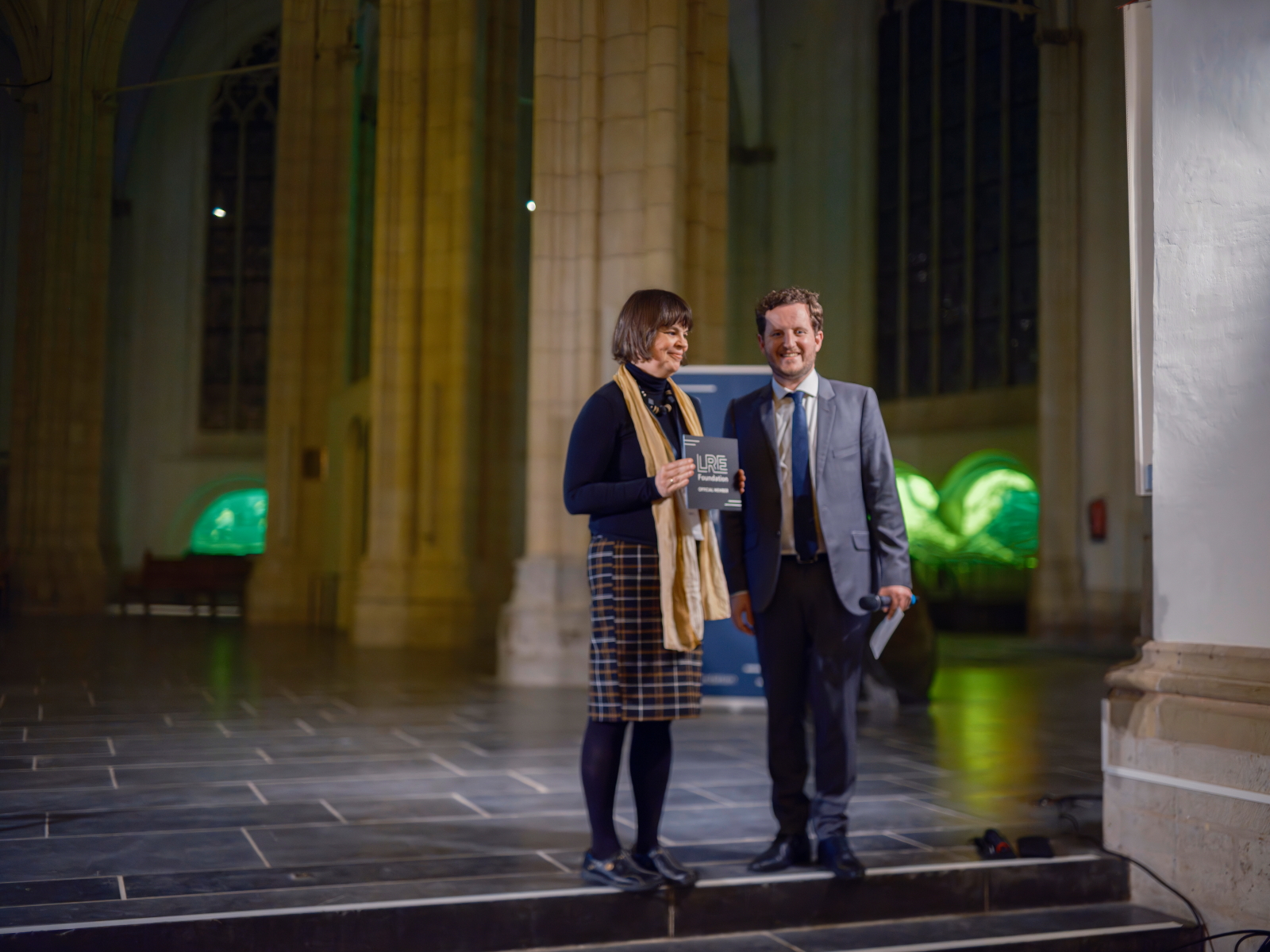
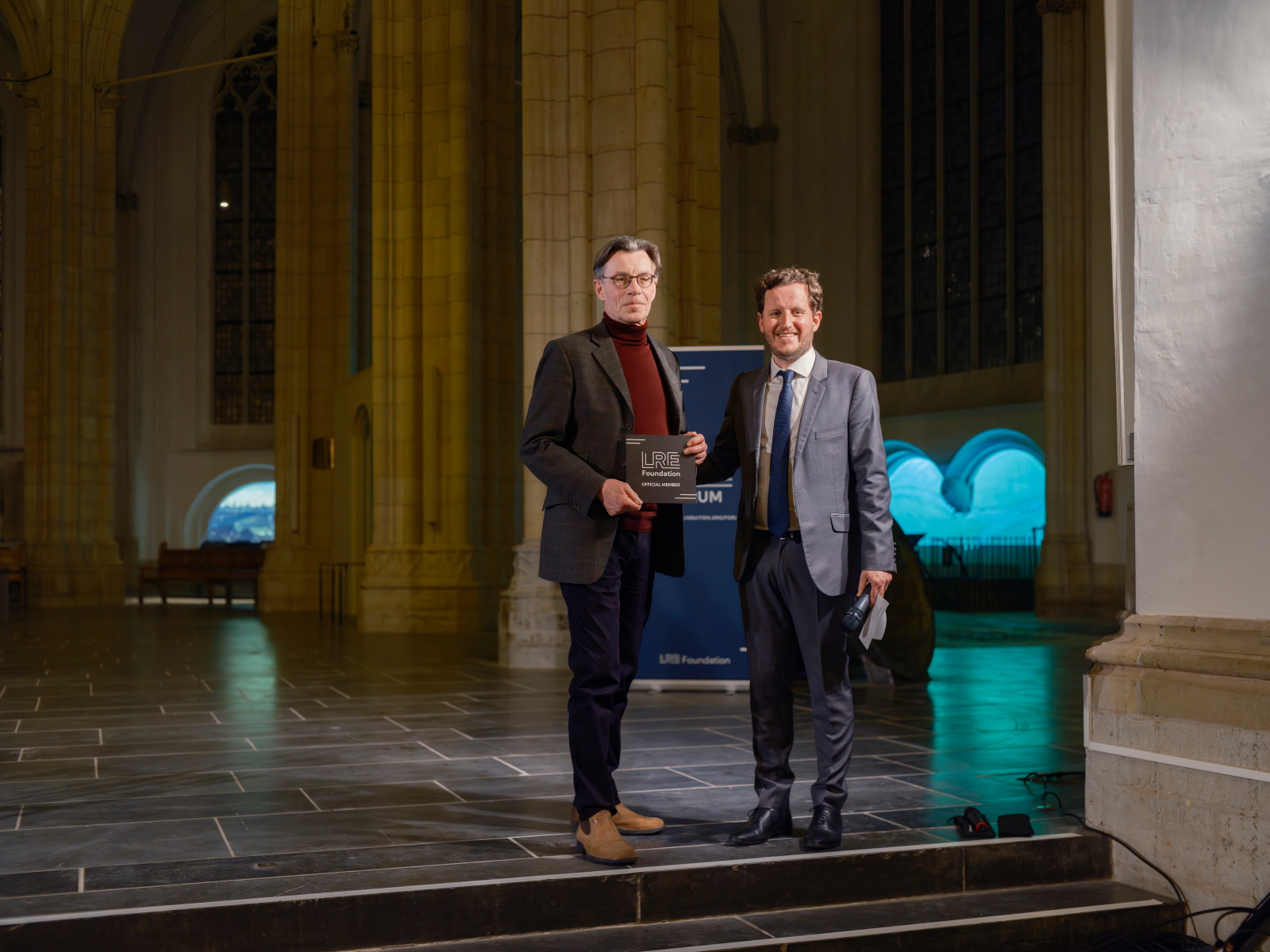
Members and partners gathered to celebrate the growth of the LRE network and to welcome new members.
A highlight of the evening was the speech by Juriaan de Mol, LRE Foundation Honorary Chairman and Founder. His words were heartfelt, funny, and a perfect reminder of how far the LRE Foundation story has come.
The LREXPO and the travel community
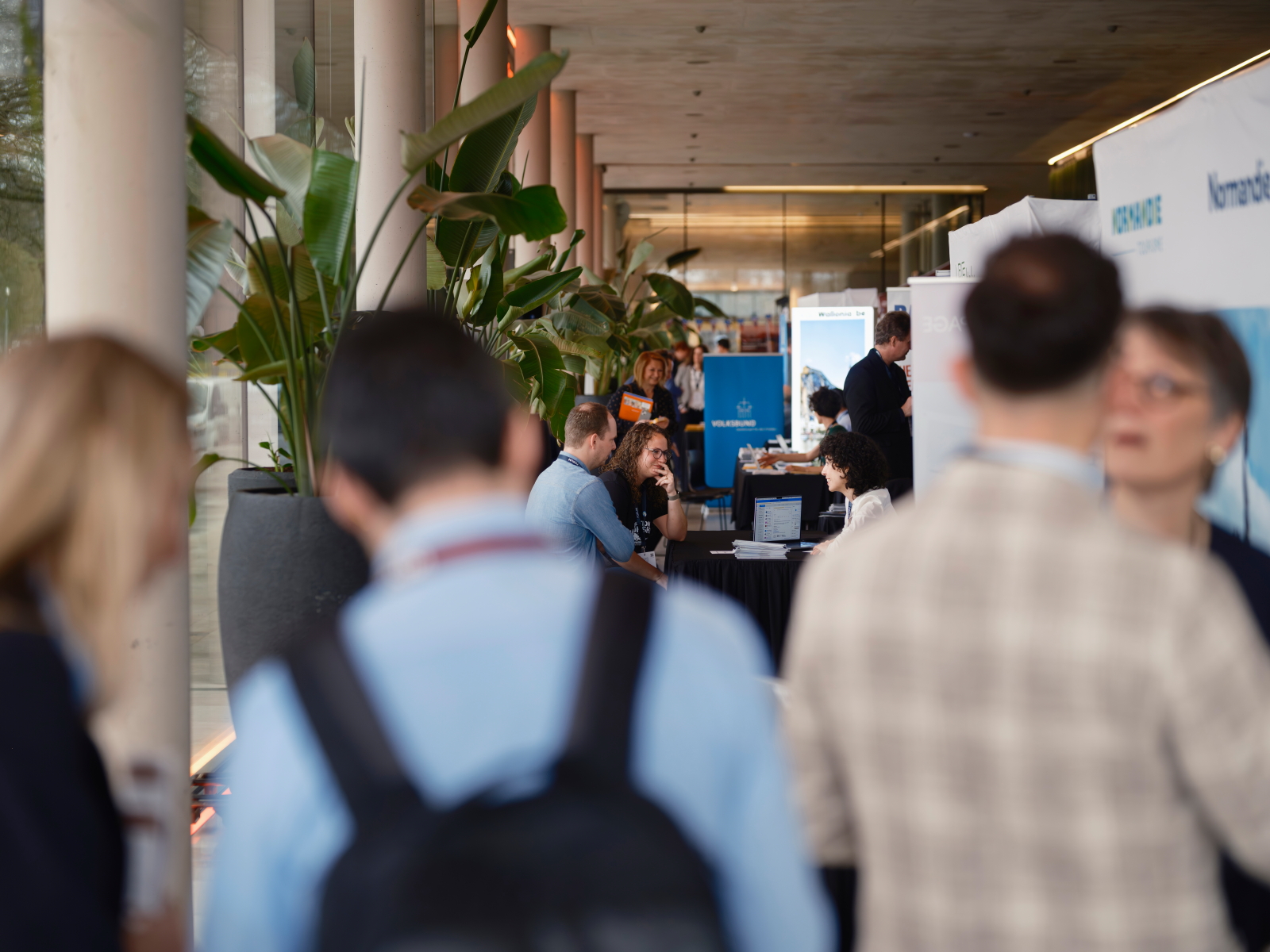
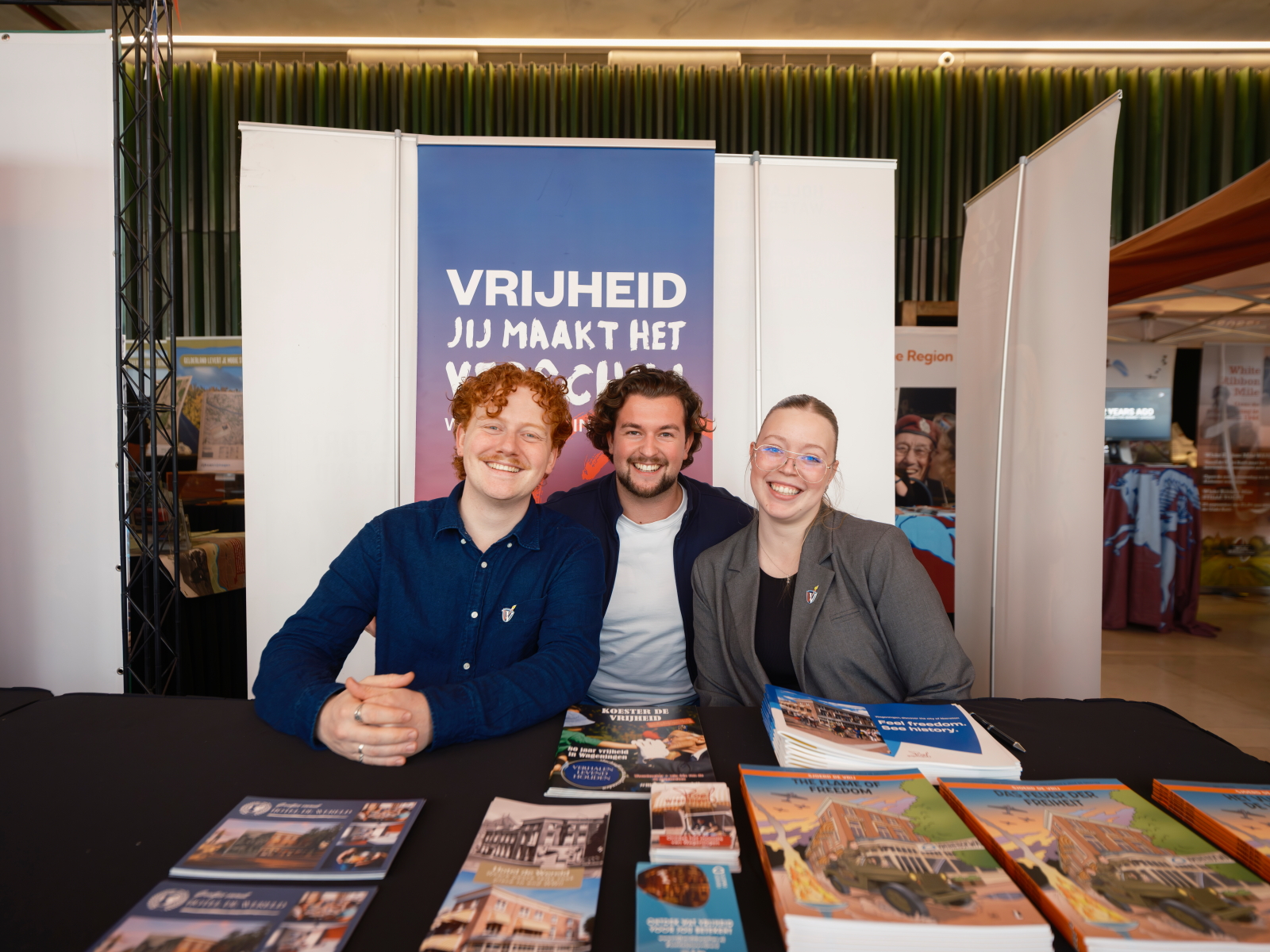
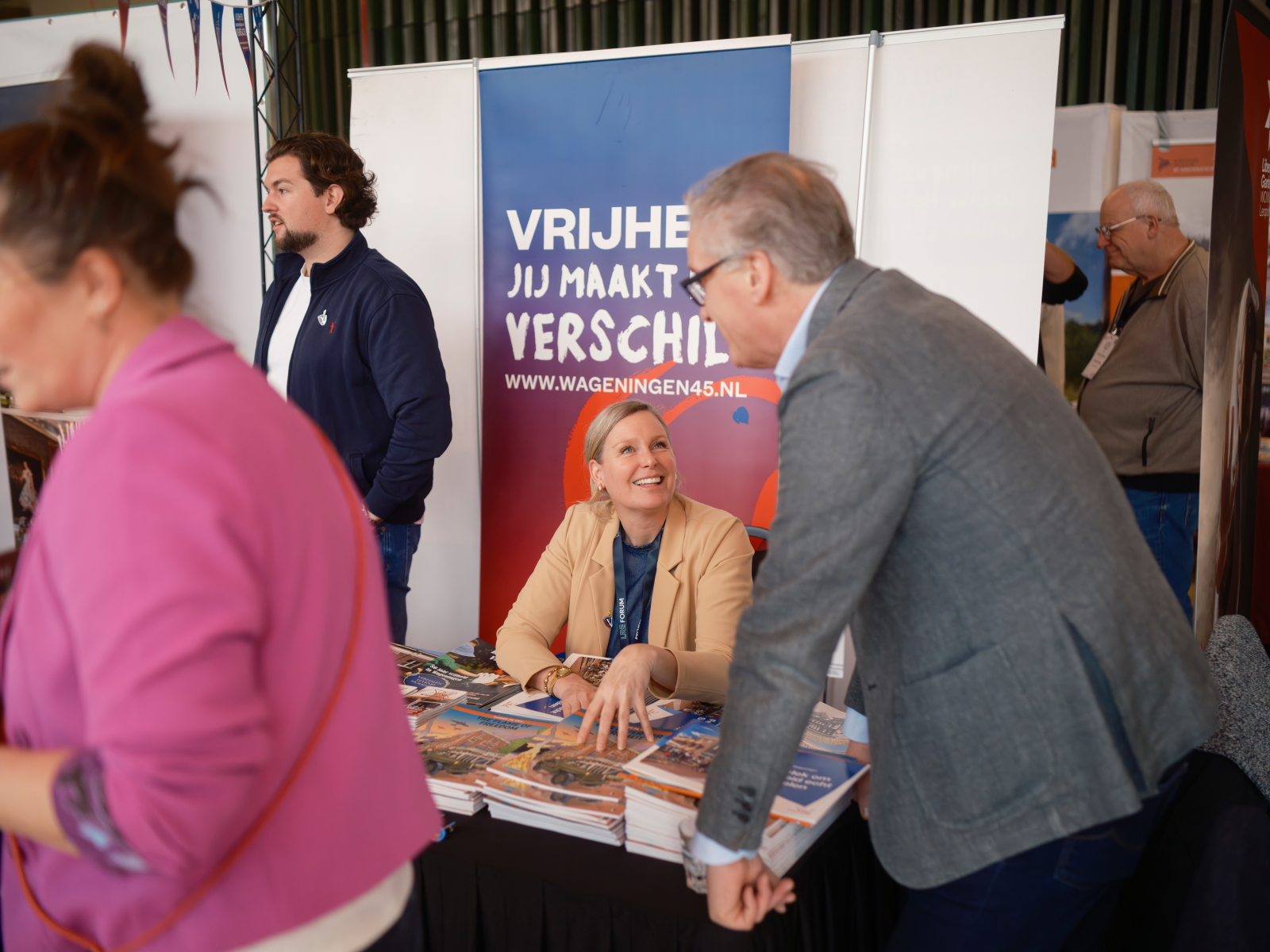
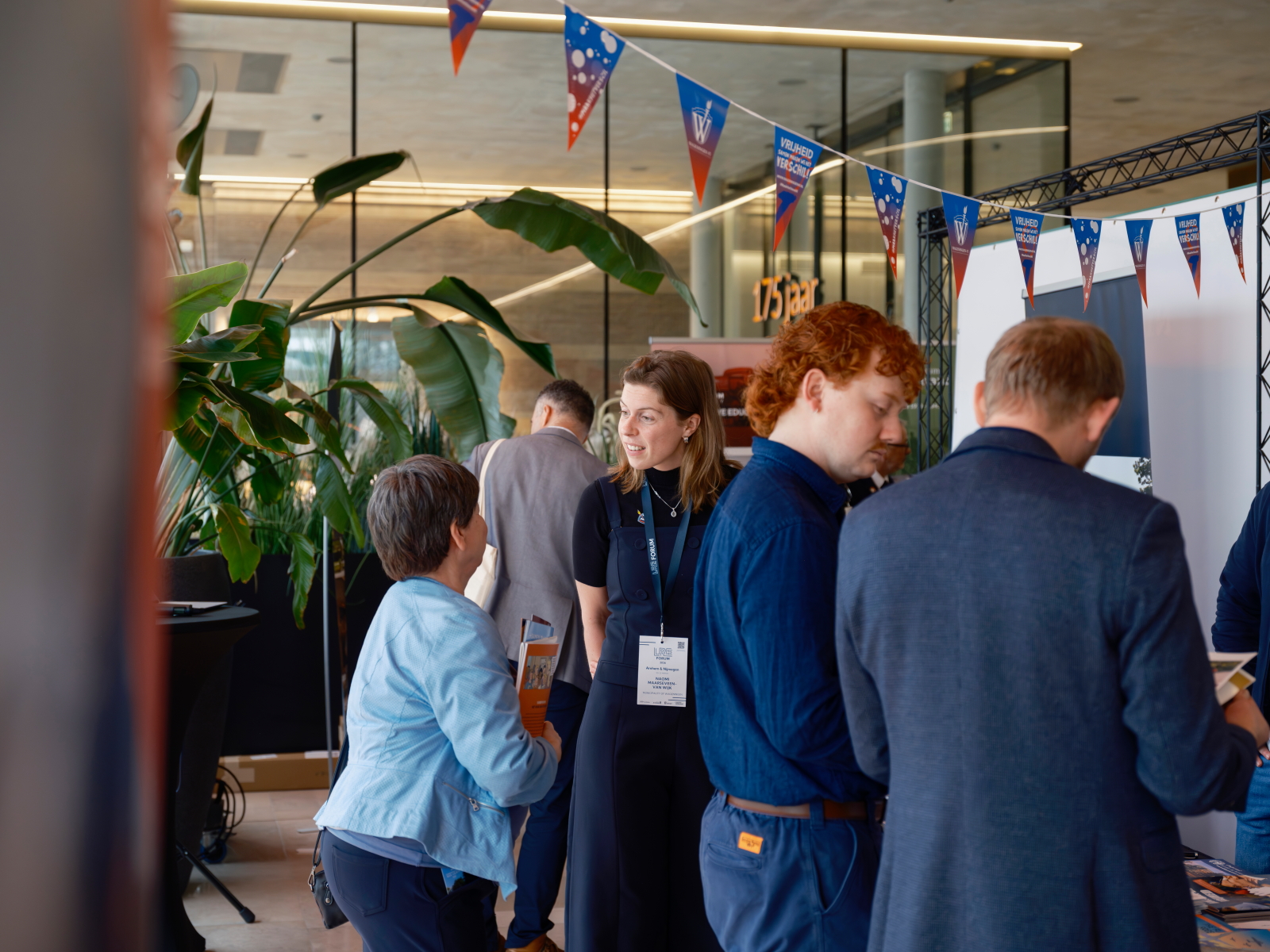
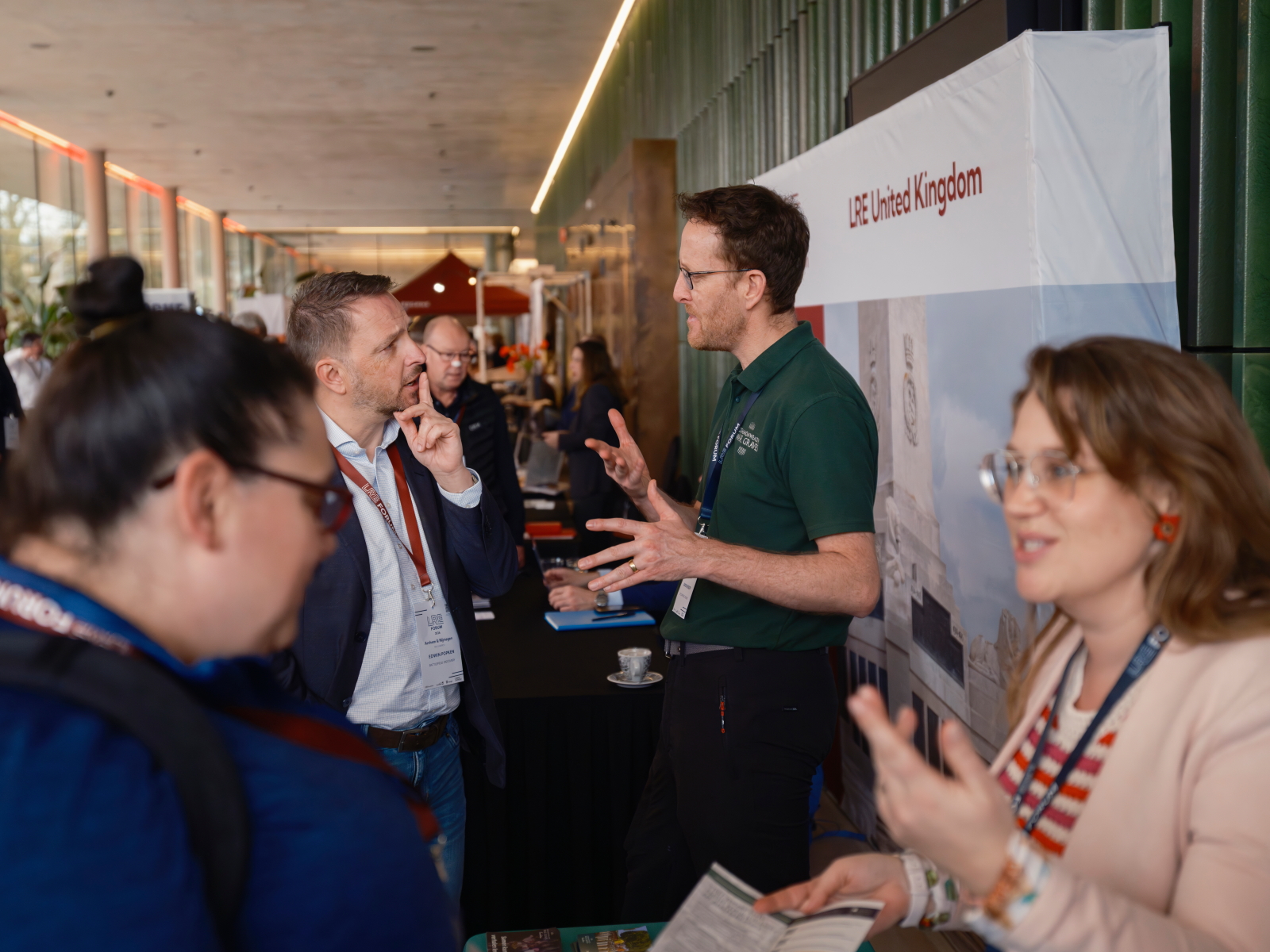
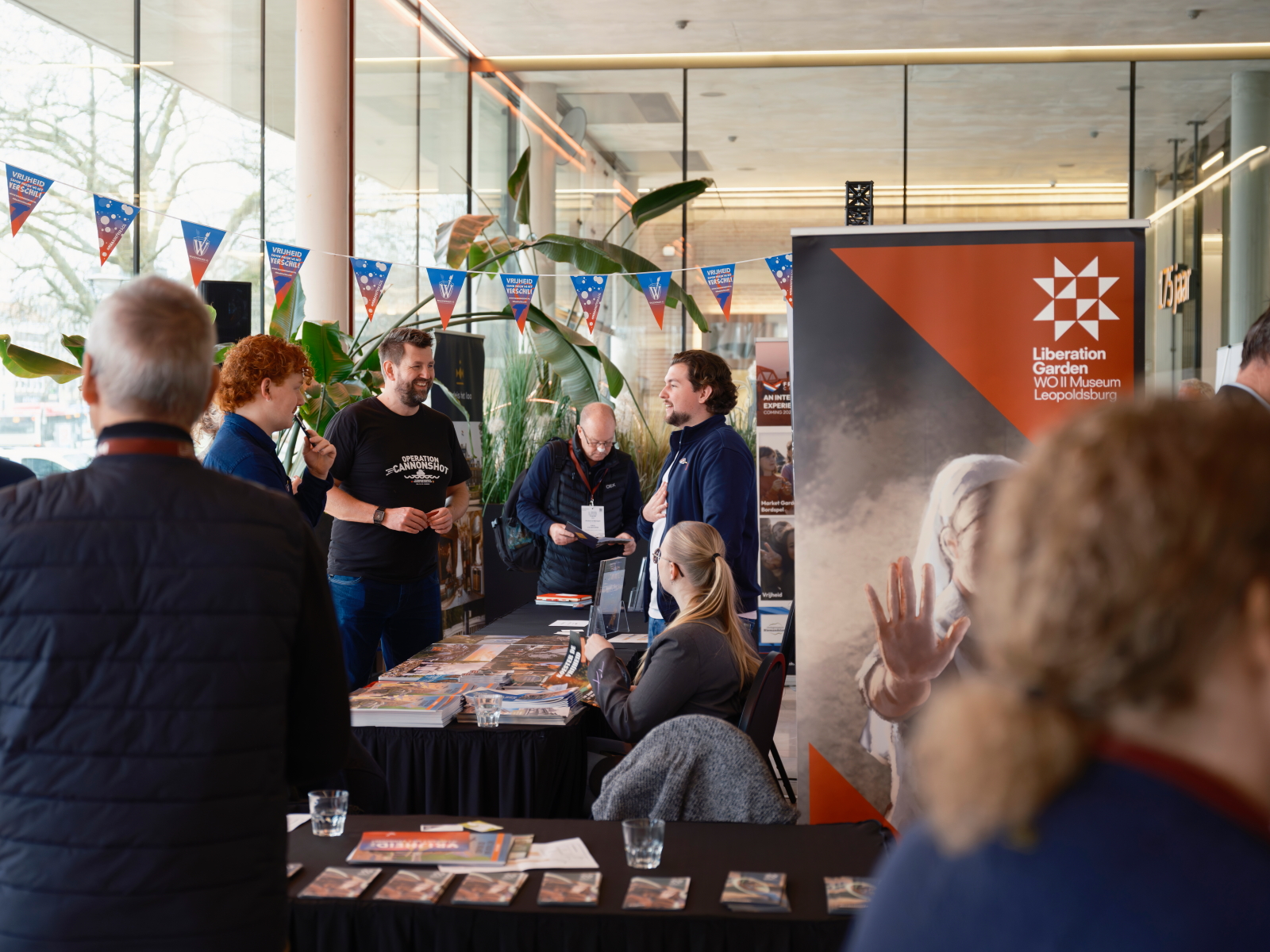
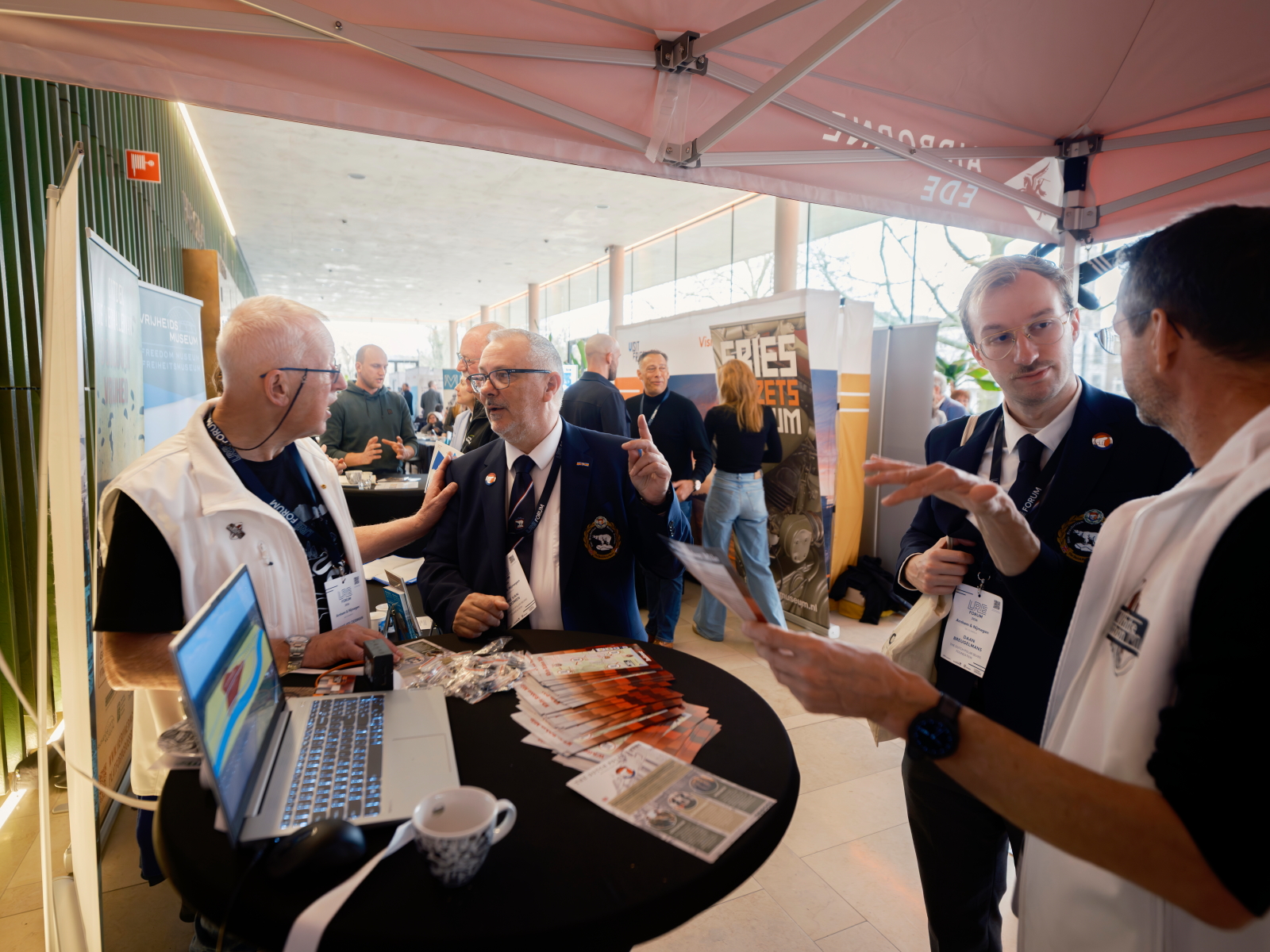
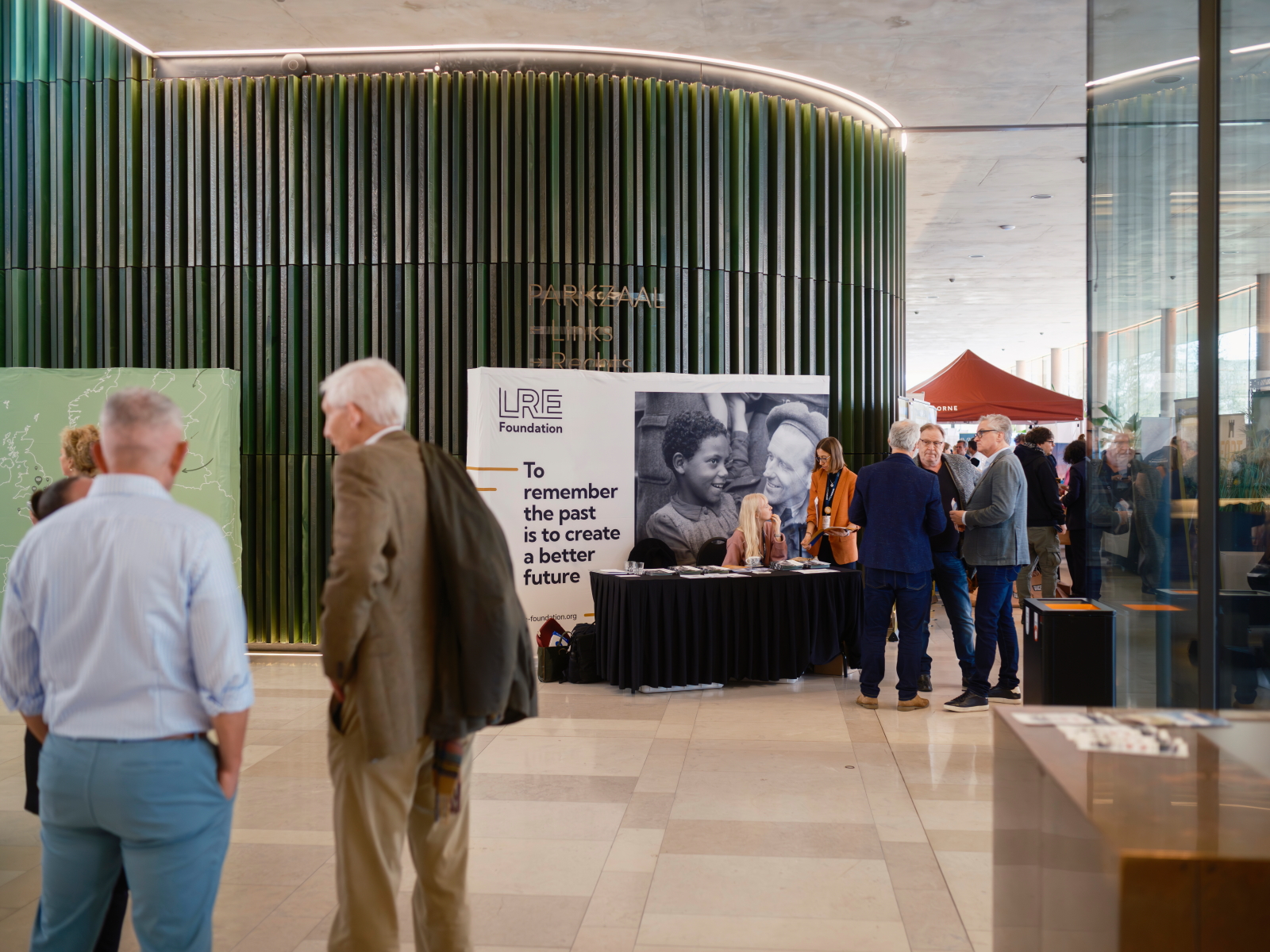
Day three focused on the intersection of remembrance and the travel industry at the LREXPO in Musis & Stadstheater Arnhem.
Museums, memorial sites, and destinations connected with international tour operators, exchanging ideas and building new collaborations. As Simon Bendry noted during the LRE Conference the day before, “remembrance sites are not places of war, but places of peace.” The conversations at the LREXPO reflected this approach, shaping how WWII history is presented and experienced by visitors from around the world.
The LREXPO was also attended by international tour operators who had been exploring the region through the LRE FAM Trips. During the Forum week, colleagues Gert-Jan Jacobs and Wout van Aalst guided the group across Gelderland, visiting key WWII heritage sites connected to Operation Market Garden and beyond, from Arnhem to Wageningen and the Hoge Veluwe.
The Site visits across Gelderland
If the Forum is about ideas, the site visits are about grounding those ideas in real places.
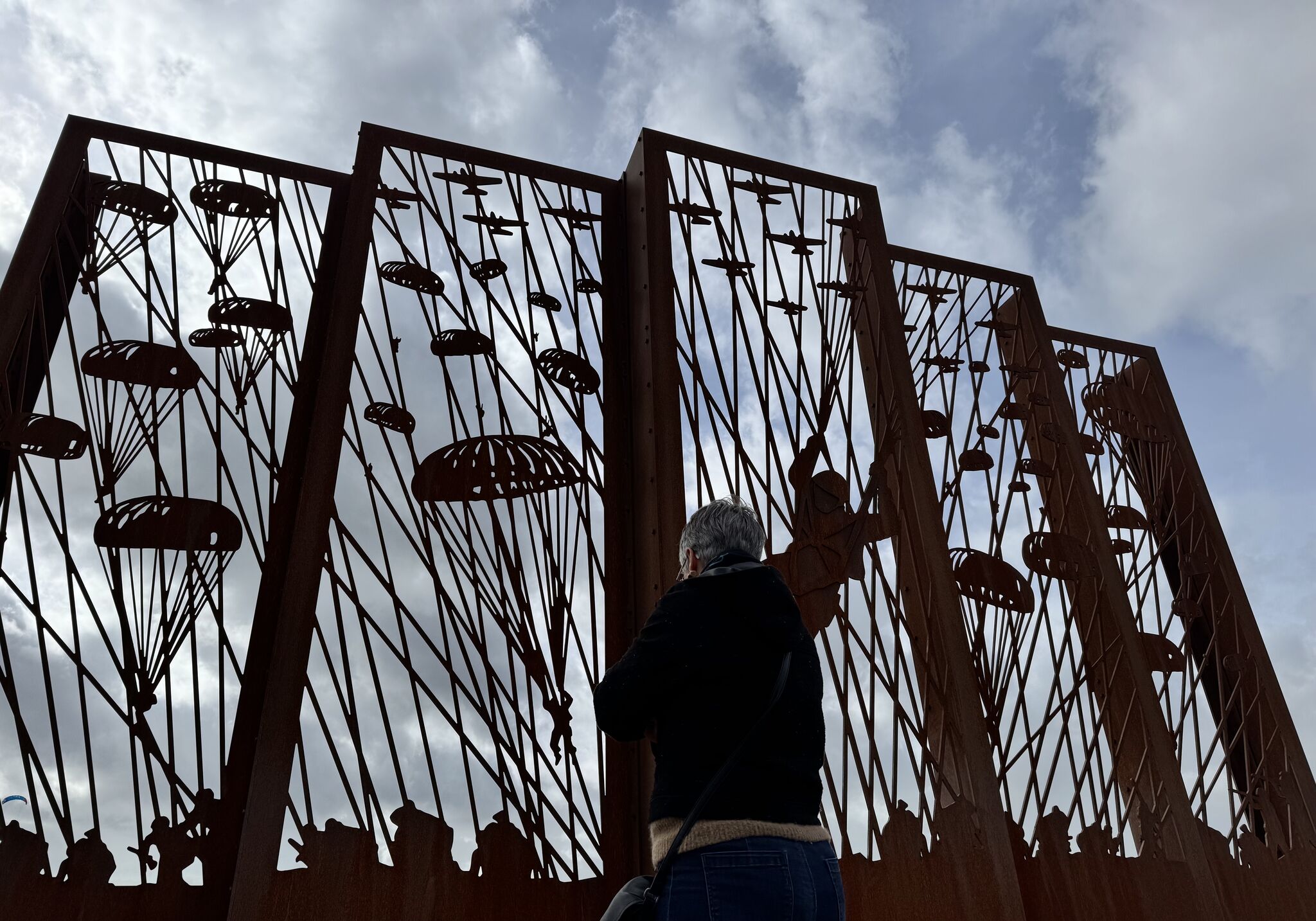
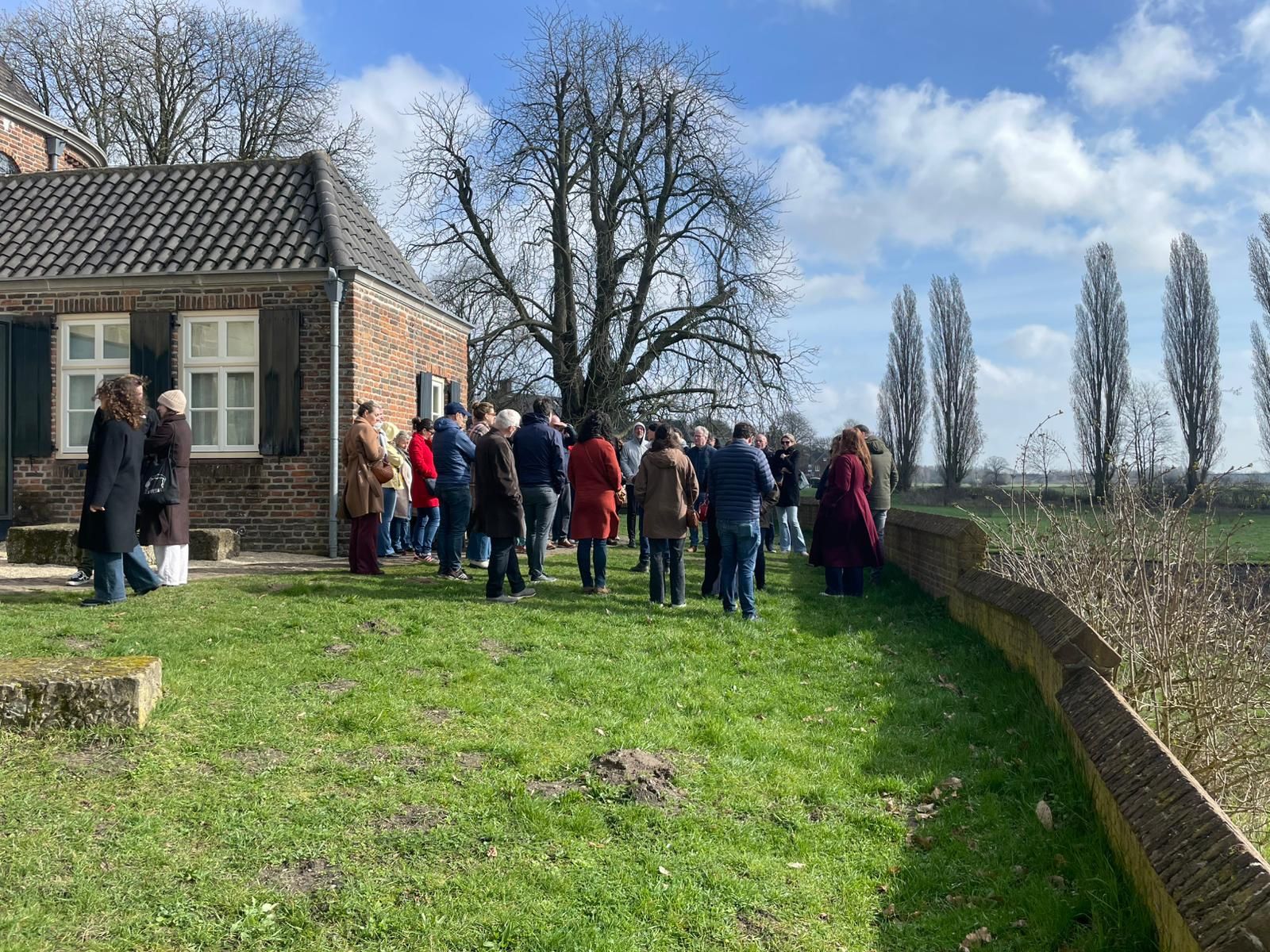
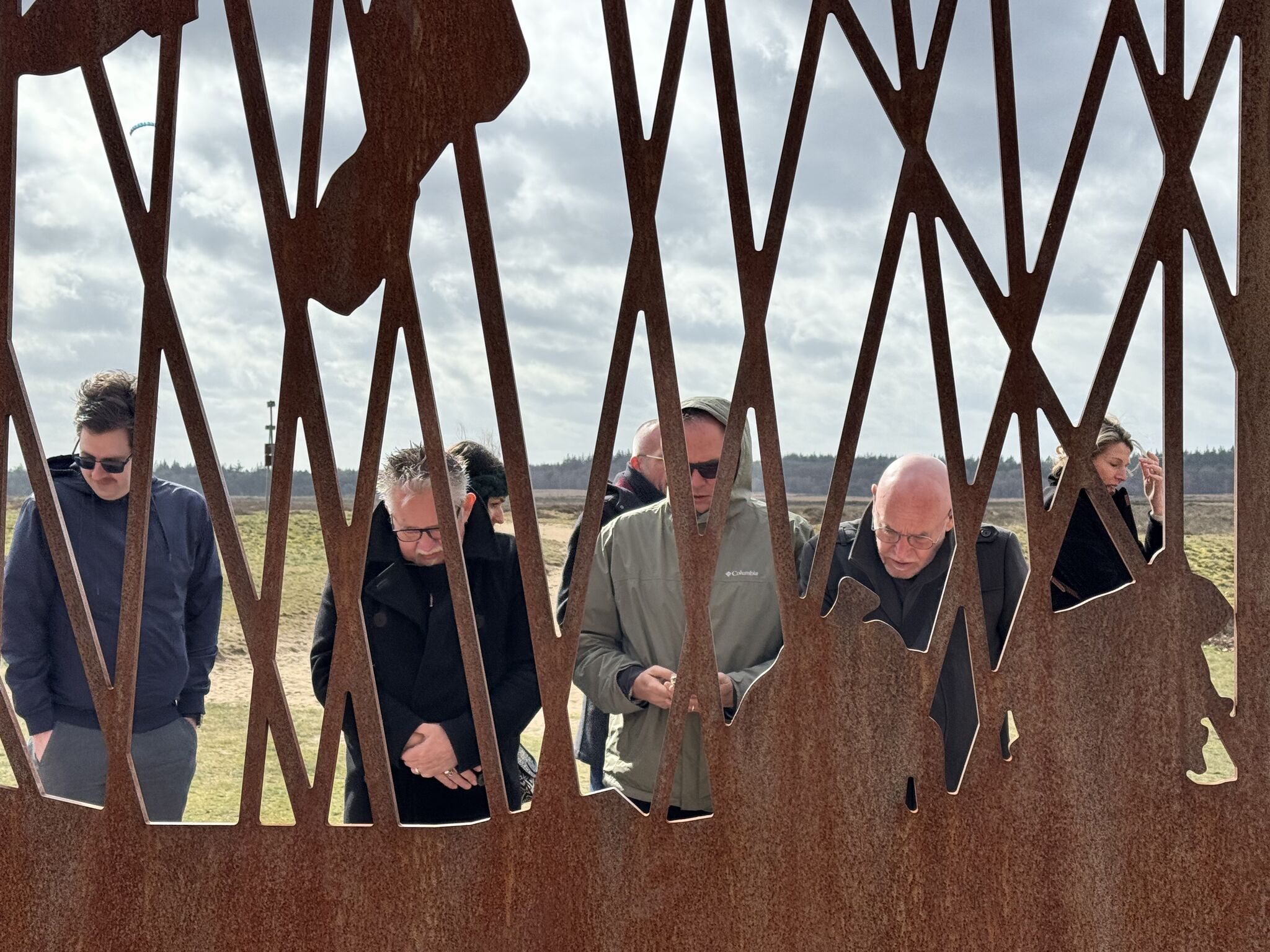
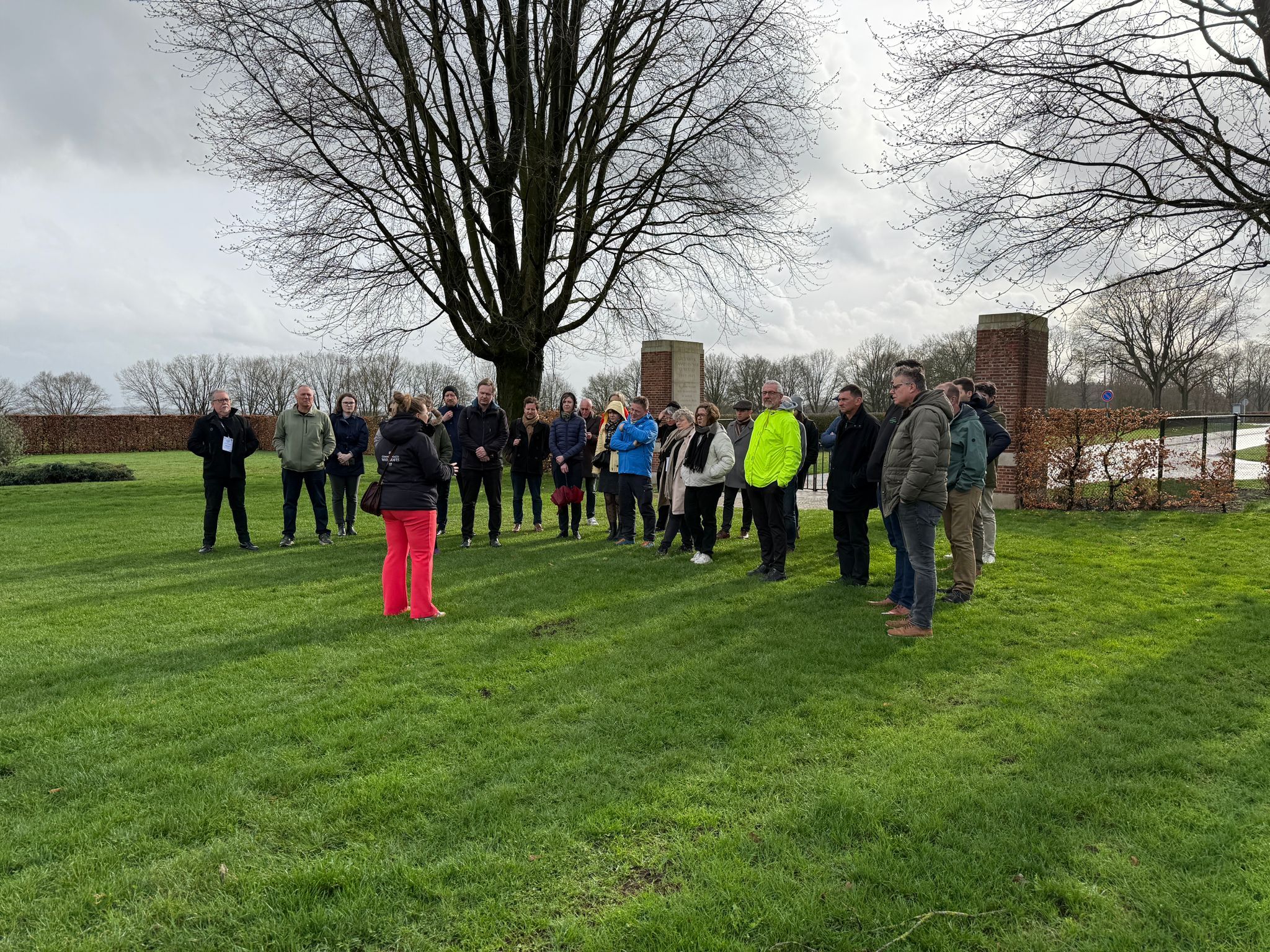
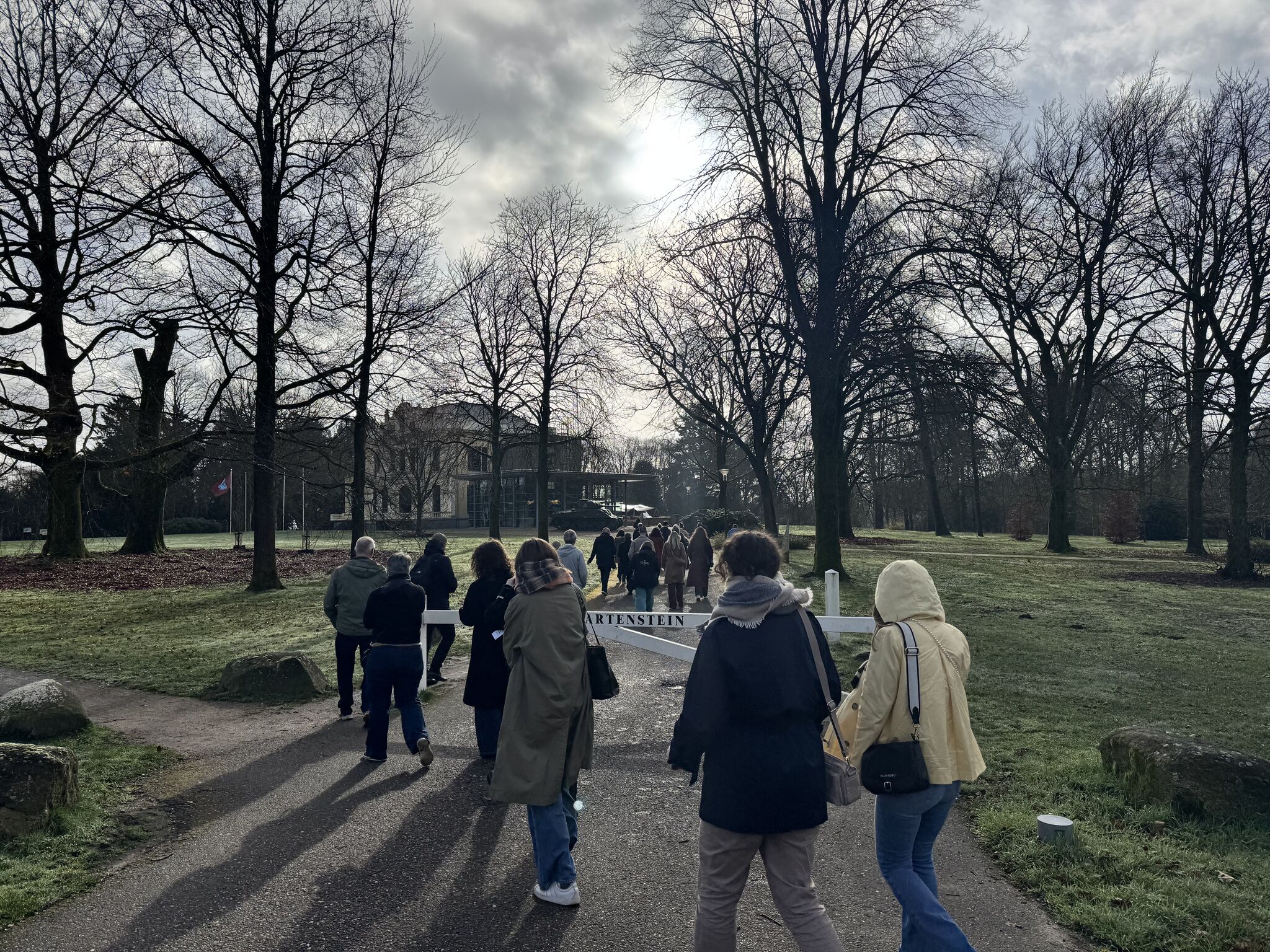
Over two days, participants explored several significant WWII sites across the region, including the Freedom Museum in Groesbeek, the Canadian War Cemetery, Landgoed Schoonderlogt – once a headquarters after Operation Market Garden – the Airborne Museum Hartenstein, Ginkelse Heide, where paratroopers landed in 1944, and Museum Deelen.
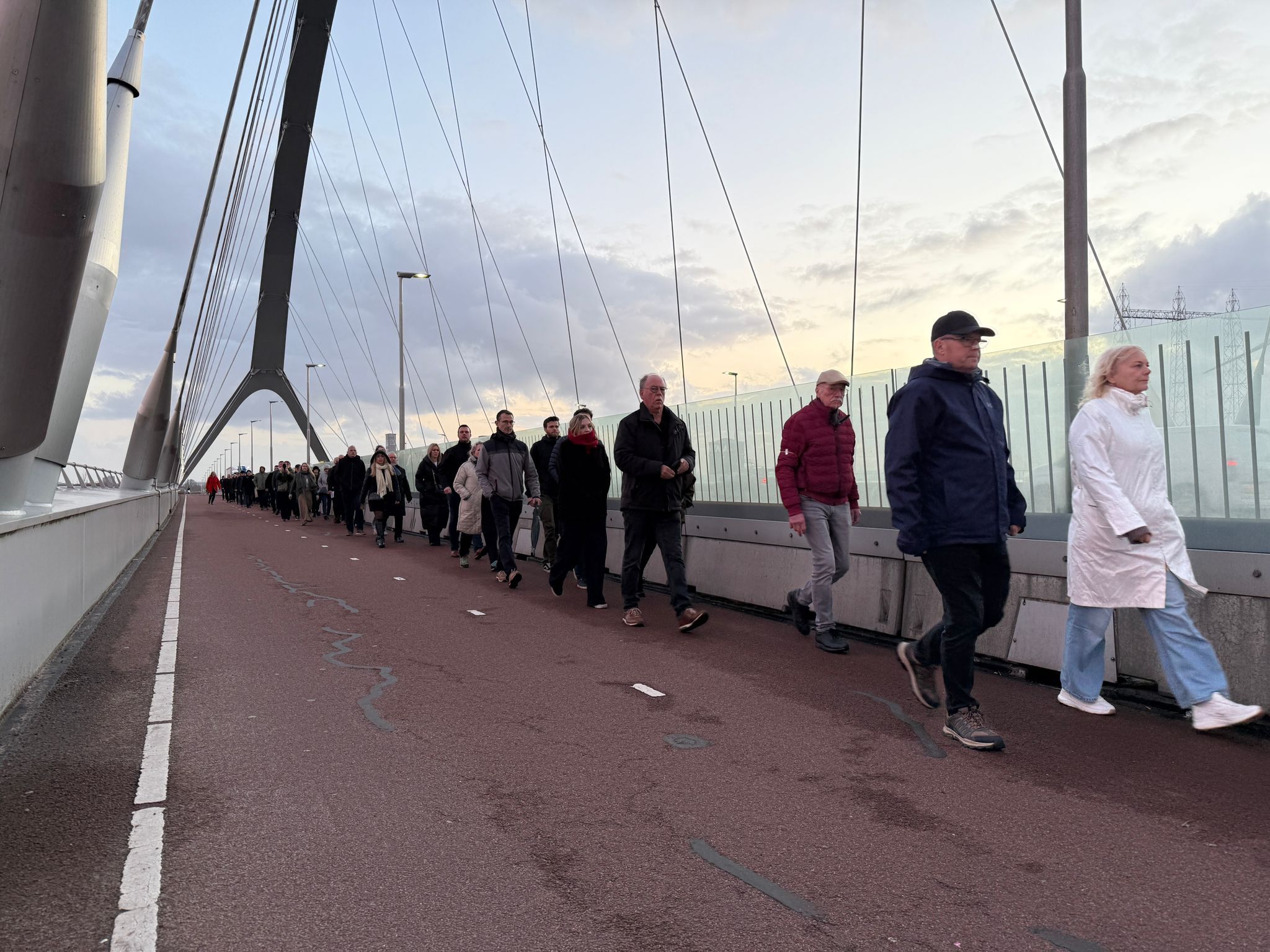
One of the most memorable moments was the Sunset March in Nijmegen. After an afternoon of rain, the group was able to experience it in calm weather. Each evening, 48 pairs of lights are lit one by one across the bridge, commemorating the soldiers who lost their lives during the Waal Crossing. The slow rhythm of the lights, accompanied by a veteran walking the bridge, creates a quiet moment of reflection.
Looking Ahead
The LRE Forum 2026 closed as it began: together, walking, sharing, reflecting.
Over four days, it created space for dialogue, connection, and new ideas. But more importantly, it reinforced something essential: that remembrance is not just about preserving the past, it’s about shaping the future.
And if there’s one thing this year’s Forum made clear, it’s that this work is more important and more urgent than ever.